
best rajma curry recipe kidney bean usually comes down to two things Americans most often struggle with: beans that never get creamy, and a sauce that tastes flat or separates into “tomato water” and oil.
This guide keeps it practical, not precious, so you can cook rajma with ingredients you can find at a typical U.S. grocery store, while still landing that cozy, restaurant-style depth.
You’ll get a clear method, a timing plan (canned or dry beans), a small spice roadmap that won’t overwhelm your pantry, and a few “if this happens, do that” fixes.
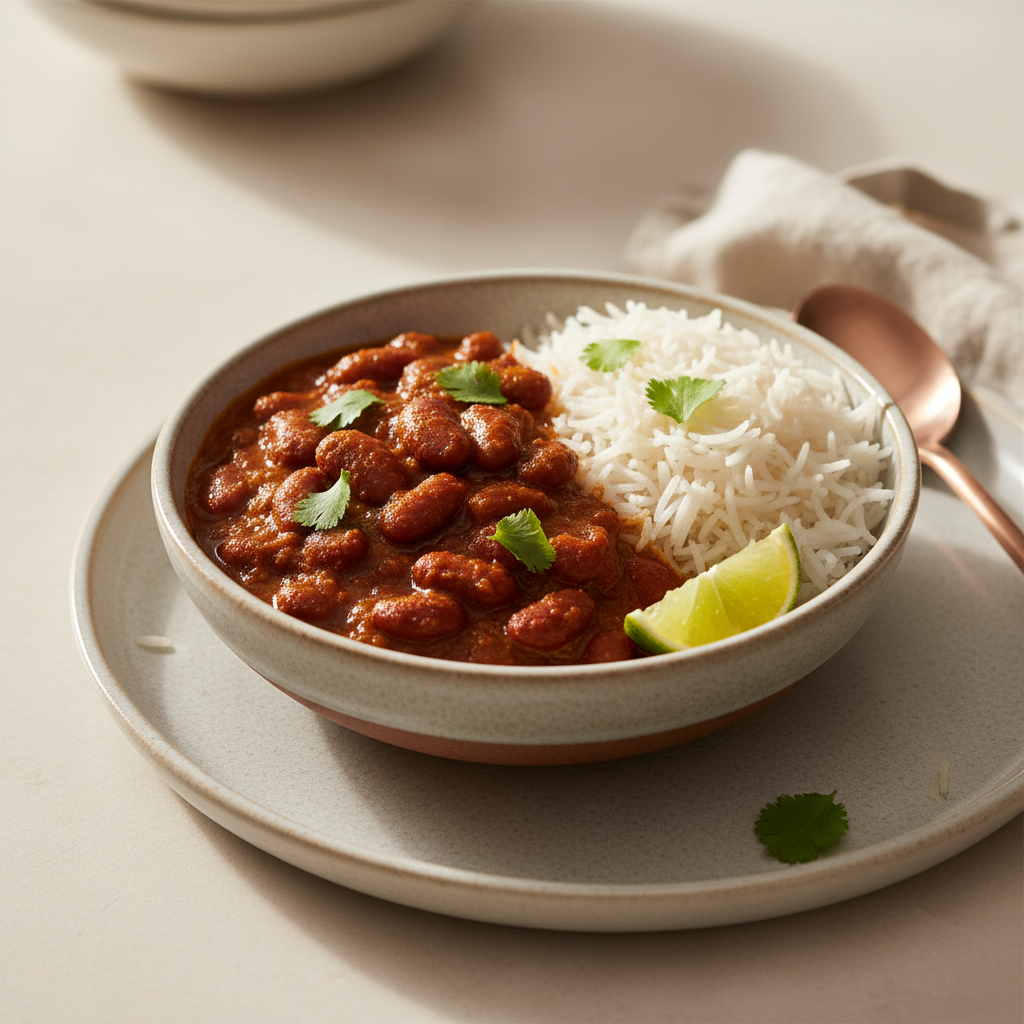
What makes rajma taste “right” (and where it goes wrong)
Rajma is a simple dish on paper, but the flavor depends on a few small decisions. Miss one, and the whole pot tastes like beans in tomato soup.
- Bean texture: You want beans that hold shape but crush easily when pressed. Undercooked beans stay chalky and the curry never feels rich.
- Masala foundation: The onion-tomato base needs enough cooking time to lose raw sharpness and build sweetness.
- Bloomed spices: Many home versions taste dusty because spices go in too late or without fat/heat to “wake up.”
- Finishing: A little acidity, a little freshness, and optional butter/cream make the flavors feel connected, not scattered.
According to USDA Food Safety and Inspection Service (FSIS)... dried beans should be boiled and then simmered, and soaking helps shorten cook time and can improve texture, which matters a lot for rajma.
Quick self-check: choose your bean path (dry vs. canned)
There’s no shame in canned beans for weeknights. Dry beans taste a bit fuller and thicken the curry more naturally, but they require planning.
| Option | Pros | Watch-outs | Best for |
|---|---|---|---|
| Dry kidney beans | Better texture control, naturally creamy broth | Soak + longer cook, can stay firm if old | Weekend batch cooking |
| Canned kidney beans | Fast, consistent, easy pantry meal | Can taste tinny, less starchy thickening | Busy weeknights |
If your past attempts felt bland, it’s usually not because you used canned beans, it’s because the masala base didn’t cook down enough, or the salt went in too late.
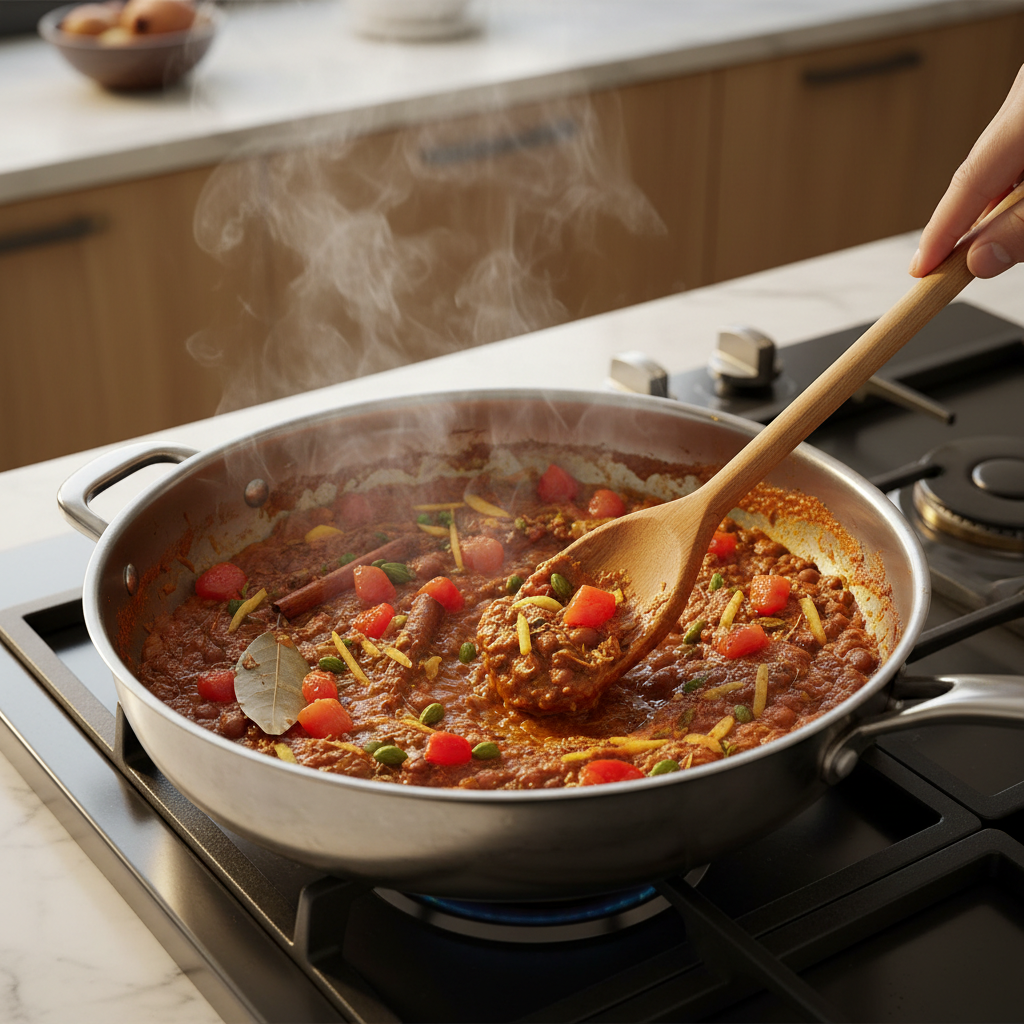
Ingredients for a U.S.-friendly rajma curry (with smart swaps)
This list aims for maximum flavor with minimal specialty shopping. If you have an Indian grocery nearby, great, but you don’t need one.
Core ingredients
- Kidney beans: 1 lb dry (soaked) or 3 cans (15 oz each), rinsed well
- Onion: 1 large, finely chopped
- Tomatoes: 1 can (14–15 oz) crushed or diced, or 3 medium fresh
- Ginger + garlic: 1 tbsp grated ginger, 4 cloves garlic (or 1.5 tbsp ginger-garlic paste)
- Fat: 2–3 tbsp neutral oil, plus optional 1 tbsp butter
Spices (this is the “best rajma curry recipe kidney bean” flavor kit)
- Cumin seeds: 1 tsp
- Ground cumin: 1 tsp
- Ground coriander: 2 tsp
- Turmeric: 1/2 tsp
- Kashmiri chili powder or mild chili powder: 1–2 tsp (for color + gentle heat)
- Garam masala: 1 tsp (added near the end)
- Salt: to taste
Optional but worth it
- Kasuri methi (dried fenugreek leaves): 1 tsp, crushed in your palm
- Heavy cream or plain yogurt: 2–3 tbsp to round edges
- Fresh cilantro + lemon: for lift
Swap notes: if you can’t find Kashmiri chili powder, use paprika plus a pinch of cayenne, you’ll get similar color without turning the pot aggressive.
Step-by-step: best rajma curry recipe kidney bean method
This method is built around one idea: cook the masala until it smells sweet and looks slightly glossy, then let beans simmer long enough to trade flavor with the sauce.
1) Prep the beans
- Dry beans: Soak 8–12 hours in plenty of water. Drain, rinse. Pressure cook or simmer until tender.
- Canned beans: Rinse very well. If you have time, simmer them 10 minutes in fresh water with a pinch of salt, it softens the interior.
Safety note: dried kidney beans should be fully cooked; if you’re unsure about doneness, simmer longer rather than “al dente.” If you have health concerns, consider checking with a qualified professional.
2) Build the masala base
- Heat oil in a pot, add cumin seeds, let them sizzle 10–20 seconds.
- Add onion with a pinch of salt, cook until golden-brown at the edges.
- Add ginger and garlic, stir 30–60 seconds until fragrant.
- Add tomatoes, then ground cumin, coriander, turmeric, chili powder, and another pinch of salt.
- Cook down 8–12 minutes, stirring, until the mixture looks thicker and less watery.
3) Simmer with beans
- Add cooked beans (or rinsed canned beans) and 1–2 cups water.
- Simmer uncovered 20–35 minutes, stir occasionally.
- For creaminess, mash a small scoop of beans against the pot, then stir back in.
4) Finish like you mean it
- Add garam masala and crushed kasuri methi (if using).
- Optional: stir in butter and/or 2–3 tbsp cream.
- Taste, then adjust salt and a squeeze of lemon.
When it’s right, the gravy clings to beans and a spoonful tastes layered, not just “tomato + spice.” That’s the main difference between okay rajma and a repeatable favorite.
Troubleshooting: fix common rajma problems fast
Most issues have a simple cause. Don’t restart the whole pot, just nudge it back into shape.
- Beans still hard after cooking: They may be older or your simmer was too gentle. Add water, keep at a steady simmer, give it time. A pressure cooker helps.
- Gravy tastes raw or sharp: The masala didn’t cook long enough. Simmer uncovered 10 more minutes, stir more often.
- Too watery: Simmer uncovered, mash more beans, or add 1–2 tbsp tomato paste and cook it in for 3 minutes.
- Too spicy: Add a little cream/yogurt, or a pinch of sugar, and increase the bean-to-gravy ratio with extra beans.
- Flat flavor: Add salt in small steps, then add garam masala, then add lemon. In that order.
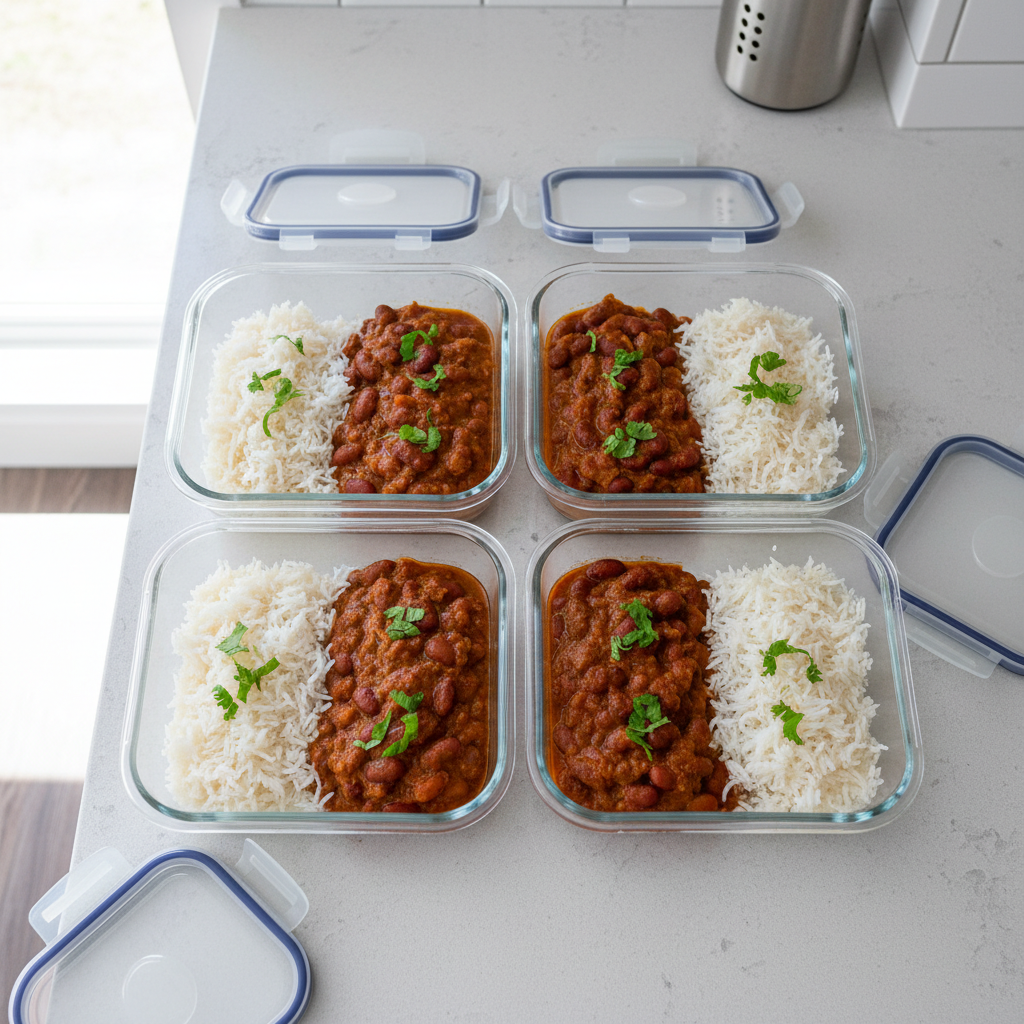
Serving, storage, and make-ahead tips (it often tastes better tomorrow)
Rajma is one of those dishes that settles overnight, spices round out, beans absorb the sauce, and the whole pot feels more cohesive.
- Serve with: basmati rice, jeera rice, roti, or even quinoa if that’s your routine.
- Fresh add-ons: cilantro, red onion, lemon wedges, plain yogurt.
- Storage: refrigerate in a sealed container; reheat with a splash of water to loosen.
- Freezing: freezes well in portions; thaw overnight in the fridge for best texture.
If you’re chasing the “best rajma curry recipe kidney bean” experience, cook it a little thicker than you think you want, leftovers loosen naturally after reheating.
Key takeaways and a simple action plan
Key points: cook the onion-tomato base down until it smells sweet, simmer long enough for the beans and gravy to trade flavor, then finish with garam masala and a touch of acid.
- Pick your lane: dry beans for weekend depth, canned beans for speed.
- Don’t rush the masala, that’s where “restaurant flavor” hides.
- Mash a few beans to thicken, it’s the easiest texture upgrade.
- Adjust at the end: salt, garam masala, lemon.
Make it once as written, then change only one variable next time, more heat, more creaminess, or more smoke from browning the onions, that’s how rajma turns from a recipe into your recipe.
FAQ
Can I make rajma with canned kidney beans and still get good flavor?
Yes. Rinse well, simmer long enough, and focus on cooking the onion-tomato masala down. The sauce work matters more than the bean source on most weeknights.
Why does my rajma curry taste sour?
Usually the tomatoes haven’t cooked long enough, or the tomato brand is extra acidic. Simmer uncovered longer, and consider a small pinch of sugar or a spoon of cream to balance.
How do I thicken rajma without adding flour or cornstarch?
Mash a ladle of beans and stir back in. If you used canned beans, a spoon of tomato paste cooked for a few minutes can also help without tasting “starchy.”
Do I need kasuri methi for the best rajma curry recipe kidney bean flavor?
You don’t need it, but it adds a subtle restaurant-style aroma. If you skip it, finish with a bit more cilantro and lemon for brightness.
What’s the difference between rajma masala and other curry bases?
Rajma masala tends to be onion-tomato heavy with warm spices, and it relies on simmer time so beans absorb the sauce. It’s less about quick sauté and more about slow melding.
Is rajma spicy by default?
Not necessarily. Heat depends on chili choice and amount. Using Kashmiri chili powder or mild chili powder keeps it flavorful without turning it into a fire drill.
How long should I simmer rajma after adding beans?
Often 20–35 minutes works, but it varies. Taste a bean and the gravy together, if they taste like separate things, simmer longer.
If you’re trying to get this into regular rotation, it helps to write down your “next time” tweak after you cook, more onion browning, different chili level, or a cream finish, that small note saves a lot of guesswork.