
Dairy free recipes can feel confusing at first, not because they’re hard, but because dairy hides in the "easy" stuff most of us cook on autopilot: butter in the pan, milk in the sauce, cheese to finish. The good news, you can keep the same comfort-food vibe with a few dependable swaps and a short list of go-to meals.
If you’re avoiding dairy for allergy reasons, lactose intolerance, or just because it sits heavy, the stakes are different, cross-contact and labels might matter. If you’re doing it as a preference, you may have more flexibility. Either way, what helps most is a system: a stocked pantry, a few fast formulas, and realistic expectations about what will taste identical and what simply tastes different.
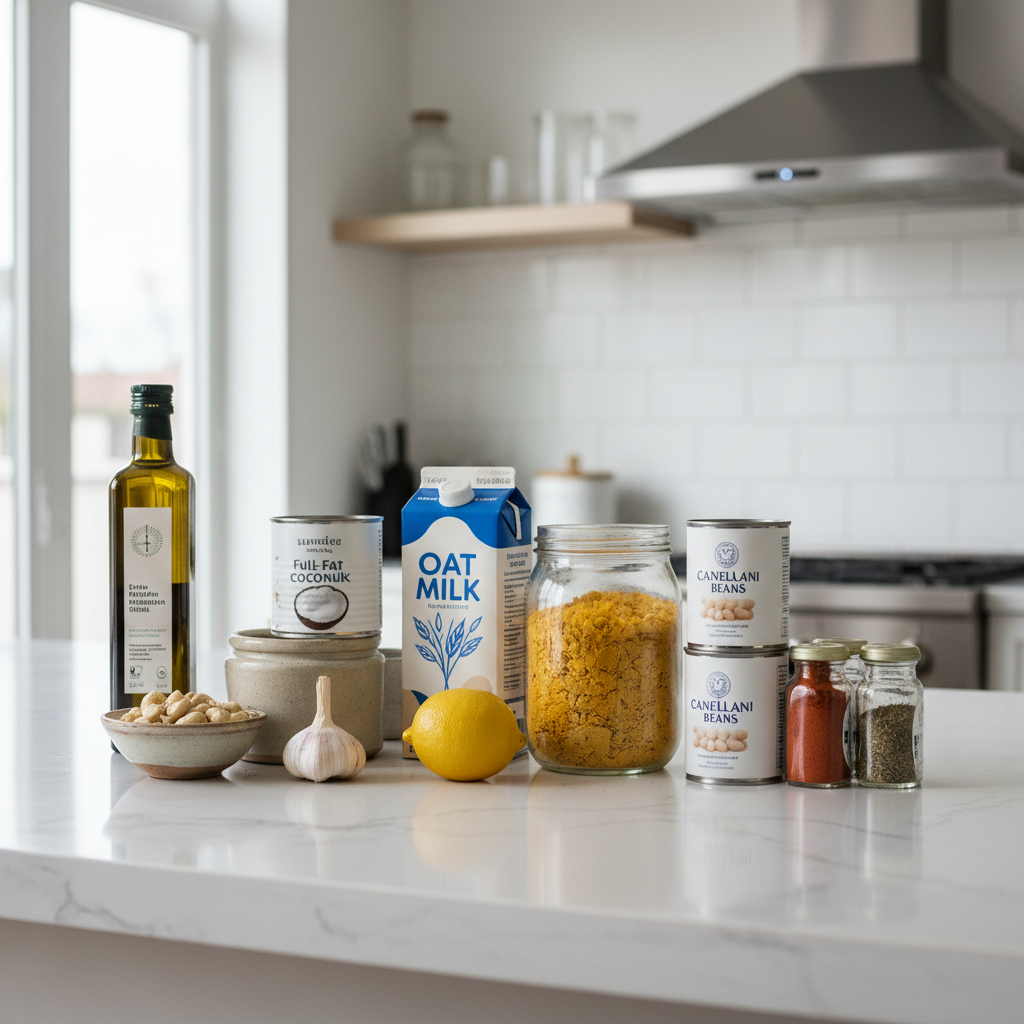
This guide focuses on the kind of meals you can actually repeat on busy weekdays: quick breakfasts, simple lunches, and dinners that don’t require specialty shopping. You’ll also get a quick self-check to avoid common dairy pitfalls, plus a practical table of substitutes that typically work.
Why dairy-free cooking feels harder than it is
Most people don’t get stuck on the recipes, they get stuck on the friction points: flavor, texture, and convenience. A few patterns show up again and again.
- Cheese is doing multiple jobs: salt, fat, tang, and browning. When you remove it, you need a replacement strategy, not a 1:1 product.
- Sauces rely on milk and butter: creamy pastas, mashed potatoes, chowders. The fix is usually choosing the right thickener (starch, blended beans, cashews) plus enough acid and salt.
- Hidden dairy shows up in shortcuts: seasoning blends, boxed meals, deli items, baked goods, even some chips. This is where label reading saves time later.
- Some non-dairy products behave differently: almond milk can split in heat, oat milk browns faster, coconut milk adds flavor. That’s not failure, it’s just cooking physics.
According to the FDA, milk is one of the major food allergens, so packaged foods often include allergen statements. Still, if you have an allergy, it’s smart to read the full ingredient list and consider cross-contact guidance, and when in doubt, ask a clinician for personal advice.
Quick self-check: what kind of dairy-free eater are you?
This matters because the right approach depends on why you’re avoiding dairy, and how strict you need to be.
- Medical avoidance (allergy): you likely need to avoid milk ingredients entirely, and be careful with shared cooking surfaces.
- Lactose intolerance: you may tolerate some products (like lactose-free dairy) but that depends on your body, so track what triggers symptoms.
- Preference or elimination trial: you can prioritize taste and convenience, and reintroduce later if you choose.
Also check your kitchen habits:
- Do you default to butter for sautéing?
- Do you finish meals with cheese or sour cream?
- Are your “quick dinners” mostly boxed or frozen meals?
If you answered yes to two or more, you don’t need more complicated dairy free recipes, you need a better set of defaults, oils, sauces, and toppings that feel automatic.
Dairy-free swaps that actually work (table)
Some substitutes are great in the right context and disappointing in the wrong one. Use this as a starting point, then adjust to taste.
| Use case | Common dairy ingredient | Dairy-free option that usually works | Editor note |
|---|---|---|---|
| Sauté + browning | Butter | Olive oil, avocado oil, plant-based butter | Plant-based butter browns faster, watch the heat. |
| Creamy pasta sauce | Heavy cream | Cashew cream, coconut milk, blended white beans | Coconut adds flavor, beans are more neutral. |
| Mash + softness | Milk | Unsweetened oat milk, unsweetened soy milk | Choose “unsweetened” so the potatoes don’t taste odd. |
| Tangy topping | Sour cream | Unsweetened dairy-free yogurt, blended silken tofu + lemon | Add salt and a squeeze of lemon to wake it up. |
| “Cheesy” flavor | Parmesan | Nutritional yeast, toasted breadcrumbs + garlic | Nutritional yeast adds savoriness, not real melt. |
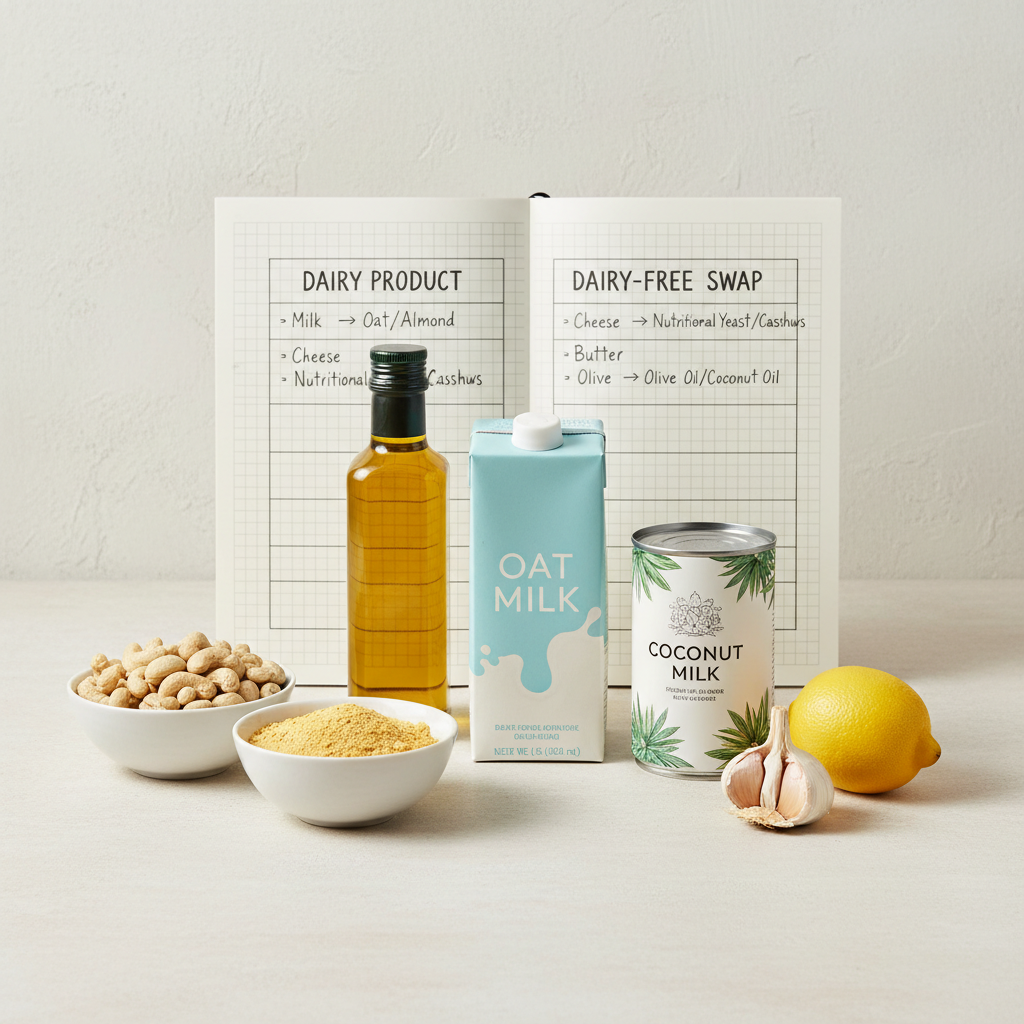
Key point: for most dairy free recipes, flavor comes from a trio: fat (oil), acid (lemon/vinegar), and umami (miso, nutritional yeast, tomato paste). If you build those in, you rarely miss the dairy as much as you expect.
Easy dairy-free breakfast recipes (fast, repeatable)
Breakfast is where people accidentally eat dairy without thinking, creamer, yogurt, pastry, breakfast sandwich. These options stay simple.
1) Creamy overnight oats (no weird aftertaste)
- Rolled oats + unsweetened oat milk + chia seeds
- Add cinnamon, maple syrup or mashed banana
- Top with berries, peanut butter, or chopped nuts
If you want it more dessert-like, a spoonful of dairy-free yogurt works, but pick an unsweetened one and sweeten yourself so you control the flavor.
2) Scramble that doesn’t rely on cheese
- Eggs or tofu scramble with onions + peppers
- Add salsa, avocado, and a pinch of salt
- Finish with lime, hot sauce, or chopped cilantro
This is one of those cases where you don’t need a cheese replacement, you need a strong topping.
Weeknight dairy-free dinner formulas (mix-and-match)
When people ask for “easy dairy free recipes,” they usually mean dinners that don’t turn into a project. These formulas keep decision-making low.
Formula A: Sheet-pan protein + veg + sauce
- Chicken thighs, salmon, tofu, or chickpeas
- Veg: broccoli, green beans, carrots, cauliflower
- Sauce ideas: lemon-garlic olive oil, teriyaki (check label), chimichurri
Roast at a high temp, then sauce at the end so nothing burns. If you’re used to finishing with butter, try olive oil + lemon zest instead.
Formula B: One-pot “creamy” pasta without cream
- Sauté garlic in olive oil
- Add pasta + broth
- Stir in blended white beans or cashew cream near the end
- Finish with spinach and plenty of black pepper
According to the USDA, food safety basics still apply regardless of diet, keep hot foods hot, chill leftovers promptly, and reheat to a safe temperature. If you’re batch-cooking, don’t leave a big pot cooling on the counter for a long stretch.
Formula C: Taco night that’s naturally dairy-free
- Protein: seasoned ground turkey, beans, shrimp, or fajita veggies
- Crunch: cabbage slaw, pickled onions
- Creamy element: avocado, or dairy-free yogurt + lime + salt
This is the easiest win because the meal already has strong flavors, you’re not relying on cheese to carry it.
3 practical tips to make dairy-free cooking easier (real-life mode)
You don’t need a fridge full of specialty products. You need a small kit that makes your normal cooking work.
- Pick one milk for cooking, one for coffee: many people prefer oat milk in coffee, but soy or oat often behave better in savory dishes than almond milk.
- Build a “creamy base” you like: cashew cream (blended soaked cashews + water + salt) or blended white beans. Keep it in the fridge for quick sauces.
- Use finishing moves: lemon, herbs, chili crisp, toasted breadcrumbs, miso. These give the satisfaction dairy used to provide.
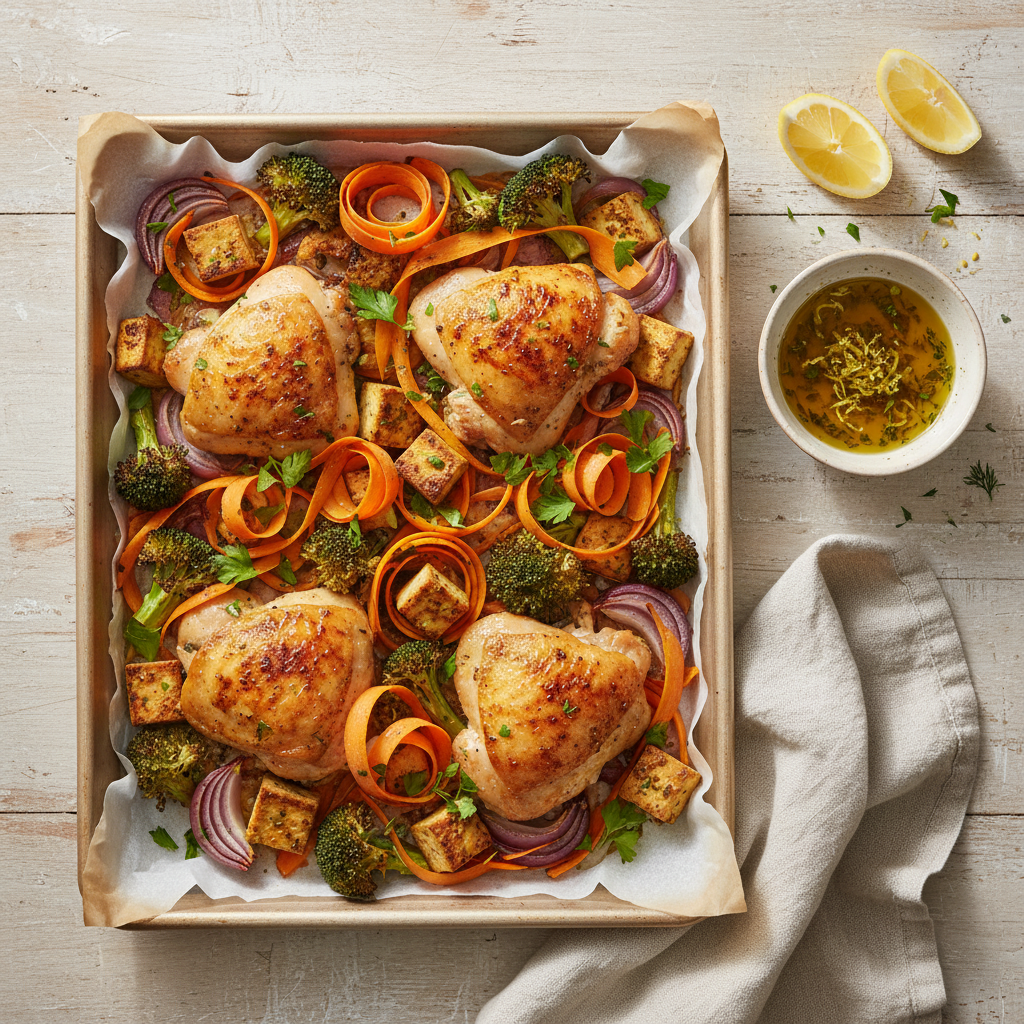
Quick takeaway: if your meal tastes flat, add salt and acid before you blame the dairy-free swap. A lot of misses come from under-seasoning, not from missing cheese.
Common mistakes (and how to avoid wasting money)
- Buying five cheese alternatives at once: start with one, and use it where it’s meant to work. Many melt-style products are better in grilled sandwiches than sprinkled on top.
- Using sweetened plant milk in savory meals: even “original” can taste sweet. Unsweetened is the safer default.
- Expecting identical taste: some dairy free recipes are clones, many are just different. If you aim for “delicious” instead of “perfectly the same,” you’ll stick with it.
- Not checking labels on sauces: creamy dressings, pesto, packaged seasonings can contain milk ingredients.
If you’re avoiding dairy due to an allergy, cross-contact can be a real concern in shared kitchens or restaurants. In that situation, it’s reasonable to be extra cautious and ask questions rather than guessing.
When it’s worth getting professional guidance
If dairy avoidance is tied to persistent digestive symptoms, skin reactions, breathing issues, or a diagnosed allergy, a registered dietitian or qualified clinician can help you avoid nutritional gaps and clarify what you actually need to eliminate. This is especially helpful for kids, pregnancy, athletes with high calorie needs, or anyone stacking multiple restrictions.
Also, if you find yourself cutting out dairy and several other foods out of fear, not evidence, it might be time to pause and get support. Food should feel manageable, even with limits.
Conclusion: keep it easy, keep it tasty
The fastest path to better dairy free recipes is not hunting for the perfect substitute, it’s choosing a few meals that are naturally dairy-free, then learning two or three creamy tricks for the dishes you miss most. Start with one breakfast, one lunch, and two dinners you can repeat next week, and your shopping list will get simpler almost immediately.
If you want a no-stress next step, pick one swap from the table, cook one familiar meal this week, and judge it on flavor and convenience, not on whether it’s an exact copy of your old version.
FAQ
What are the easiest dairy free recipes for absolute beginners?
Sheet-pan meals, tacos, rice bowls, and simple stir-fries are usually the easiest because they don’t rely on cheese or cream to taste good, you just season well and add a sauce at the end.
What’s the best milk substitute for cooking (not cereal)?
Unsweetened oat milk and unsweetened soy milk tend to be more reliable in savory cooking. Almond milk can work, but it sometimes tastes thin and can split in hot sauces.
How do I make sauces creamy without dairy?
Cashew cream, blended white beans, or coconut milk can thicken sauces. For balance, add salt and a little acid like lemon juice, many people forget that part.
Are dairy-free products always healthier?
Not automatically. Some are great, others are more processed or higher in added oils and sodium. If health is your goal, it can help to look at ingredients and choose what fits your needs.
How can I replace cheese flavor without using vegan cheese?
Nutritional yeast, miso, tomato paste, olives, capers, and toasted breadcrumbs can add savory depth. You won’t get the same melt, but you can get that “satisfying” finish.
What should I watch for on labels if I’m avoiding dairy?
Milk, whey, casein, butter, cream, and cheese are obvious, but they also show up in seasonings, sauces, and baked items. If you have an allergy, follow your clinician’s guidance and use allergen statements as a starting point, not the only check.
Can I meal prep dairy-free food for the week?
Yes, and it often makes things easier. Keep sauces separate when possible, cool food promptly, and reheat safely. If you’re unsure about storage times for a specific dish, check USDA food safety guidance.
If you’re trying to make dairy-free eating feel normal, not like a constant project, it can help to build a small rotation of easy dinners and a short list of products you genuinely like, then stop shopping for replacements you don’t even miss.