
Best soup recipes for winter warm usually come down to three things: a rich base, sturdy vegetables, and a protein or legume that makes the bowl feel like a meal, not a snack. If your “winter soup” keeps turning out watery, bland, or weirdly heavy, you’re not alone.
This guide gives you a tight set of go-to soup styles for 2026, plus a simple way to pick the right one for your week, your pantry, and whoever you’re feeding. I’ll also include make-ahead tricks that save time without sacrificing flavor, because soup is supposed to be the easy comfort food.
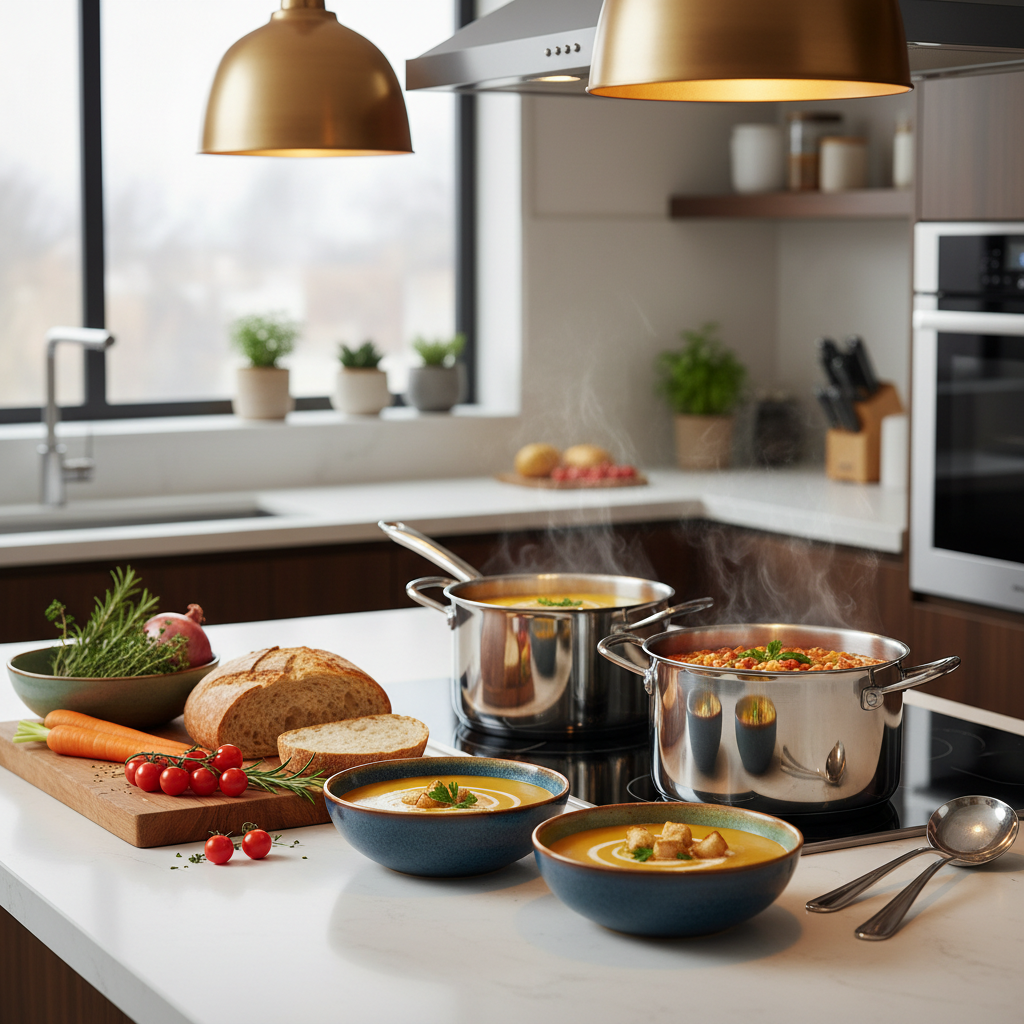
One quick expectation reset: “best” doesn’t always mean the fanciest. In many households, the best winter soup is the one you can repeat, tweak, and still look forward to on night three.
What makes a winter soup truly “warming” (not just hot)
Temperature helps, sure, but the soups people remember tend to have body and balance. The bowl feels satisfying, the aroma hits early, and the texture stays pleasant even after reheating.
- Base with backbone: stock, bone broth, tomato, coconut milk, or blended veg gives structure so it doesn’t drink like tea.
- Layered flavor: browning aromatics, blooming spices in oil, or finishing with acid makes “warm” taste rounded.
- Smart thickness: beans, lentils, potatoes, barley, or puréed cauliflower thicken without needing a heavy cream dump.
- Finish that wakes it up: lemon, vinegar, yogurt swirl, chili oil, fresh herbs, or grated cheese.
According to USDA Food Safety and Inspection Service (FSIS), soups should be cooled and stored promptly to reduce food-safety risk, especially if you plan to meal prep. Keep that in mind if you’re making big batches for the week.
Quick soup-picker: choose the right recipe style for your week
If you’re hunting for best soup recipes for winter warm, the fastest win is matching the soup type to your schedule and pantry. This table keeps it practical.
| What you want tonight | Go with this soup style | Why it works | Typical cook time |
|---|---|---|---|
| Fast comfort, minimal chopping | Creamy blended vegetable | Roast or simmer, blend, finish | 25–45 min |
| High-protein, filling | Bean or lentil stew-soup | Legumes thicken naturally | 35–75 min |
| Clean, light, still satisfying | Brothy chicken or miso-based | Big flavor, less heaviness | 20–40 min |
| Use up random vegetables | Minestrone-style | Flexible, fridge-friendly | 40–60 min |
| Comfort like a blanket | Chowder or creamy potato-corn | Starch + dairy gives richness | 35–60 min |
| Something bold and spicy | Chili-meets-soup (white chicken, turkey, bean) | Spices + toppings carry it | 45–90 min |
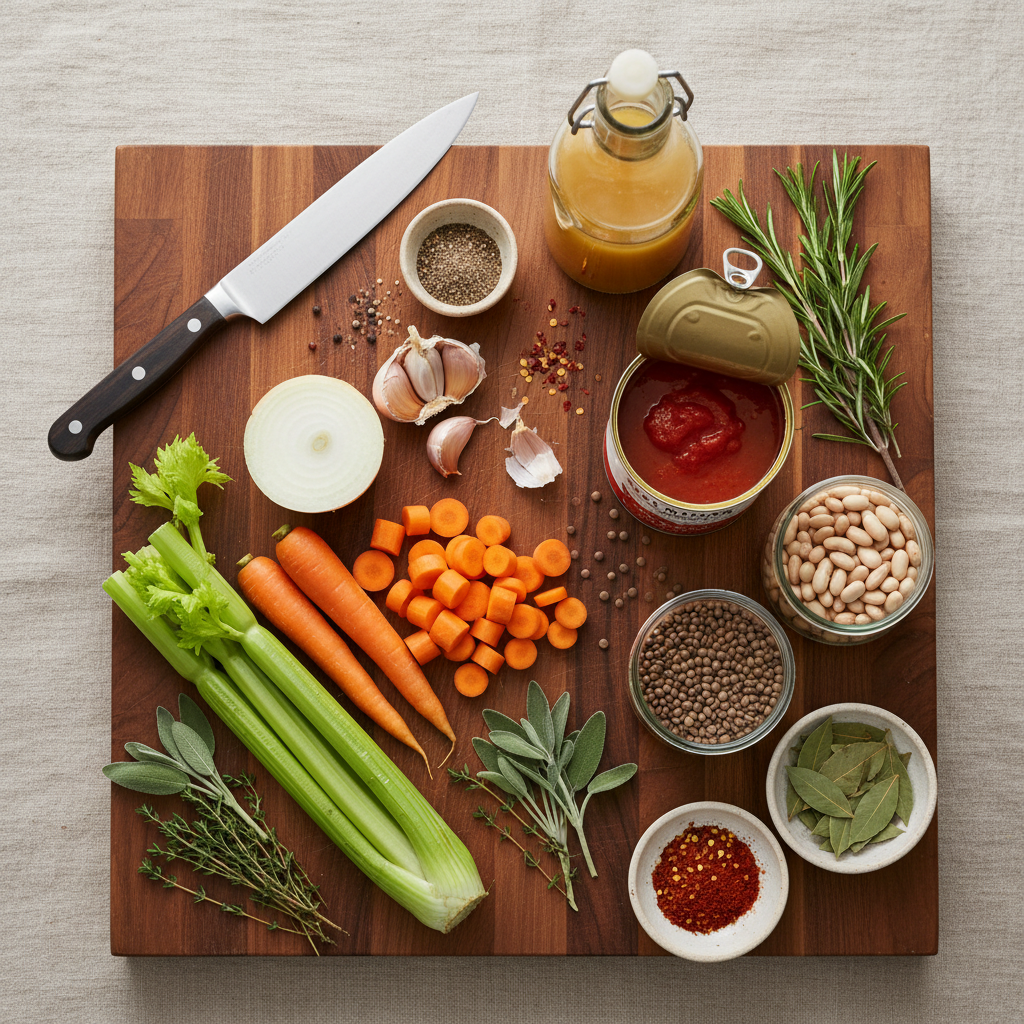
8 best warm winter soup recipes (2026-friendly, pantry-realistic)
These aren’t “one exact recipe or else.” They’re reliable frameworks you can adjust for gluten-free, dairy-free, vegetarian, or whatever your fridge dictates.
1) Roasted Tomato + Red Pepper Soup (with optional grilled cheese energy)
- Flavor profile: sweet, smoky, bright
- Key move: roast canned tomatoes (yes, canned) with red peppers and onion, then blend
- Finish: splash of balsamic or lemon, basil, parmesan
2) Lemon Chicken Orzo Soup (weeknight classic)
- Flavor profile: comforting but not heavy
- Key move: add lemon at the end so it stays fresh
- Swap: rice, small pasta, or cauliflower rice
3) Creamy Butternut Squash Soup (no-fuss cozy)
- Flavor profile: mellow, slightly sweet
- Key move: sauté onion and garlic, simmer squash, blend smooth
- Upgrade: curry powder or smoked paprika, pepitas for crunch
4) White Bean + Tuscan Kale Soup (protein without drama)
- Flavor profile: garlicky, savory
- Key move: mash a portion of beans to thicken the broth
- Finish: olive oil drizzle, red pepper flakes
5) Lentil Vegetable Soup (meal-prep workhorse)
- Flavor profile: earthy, hearty
- Key move: bloom cumin and tomato paste in oil for deeper taste
- Note: lentils keep texture better than many beans after reheating
6) Corn + Potato Chowder (lighter version, still creamy)
- Flavor profile: rich, sweet-savory
- Key move: blend 1–2 cups of the soup instead of adding lots of cream
- Optional: bacon, ham, or smoked paprika for depth
7) Turkey or Beef Chili Soup (topping-friendly)
- Flavor profile: bold, spicy, crowd-pleaser
- Key move: use a mix of beans for texture
- Toppings: cheddar, cilantro, avocado, crushed chips
8) Miso Ginger Noodle Soup (when you want “warm” fast)
- Flavor profile: salty-smooth, aromatic
- Key move: add miso off heat so it stays vibrant
- Add-ins: mushrooms, spinach, tofu, rotisserie chicken
How to build big flavor without complicated steps
Most soup disappointment is a sequencing problem, not a recipe problem. These techniques are low effort, high impact.
- Brown your base: let onions, carrots, celery pick up color before adding liquid.
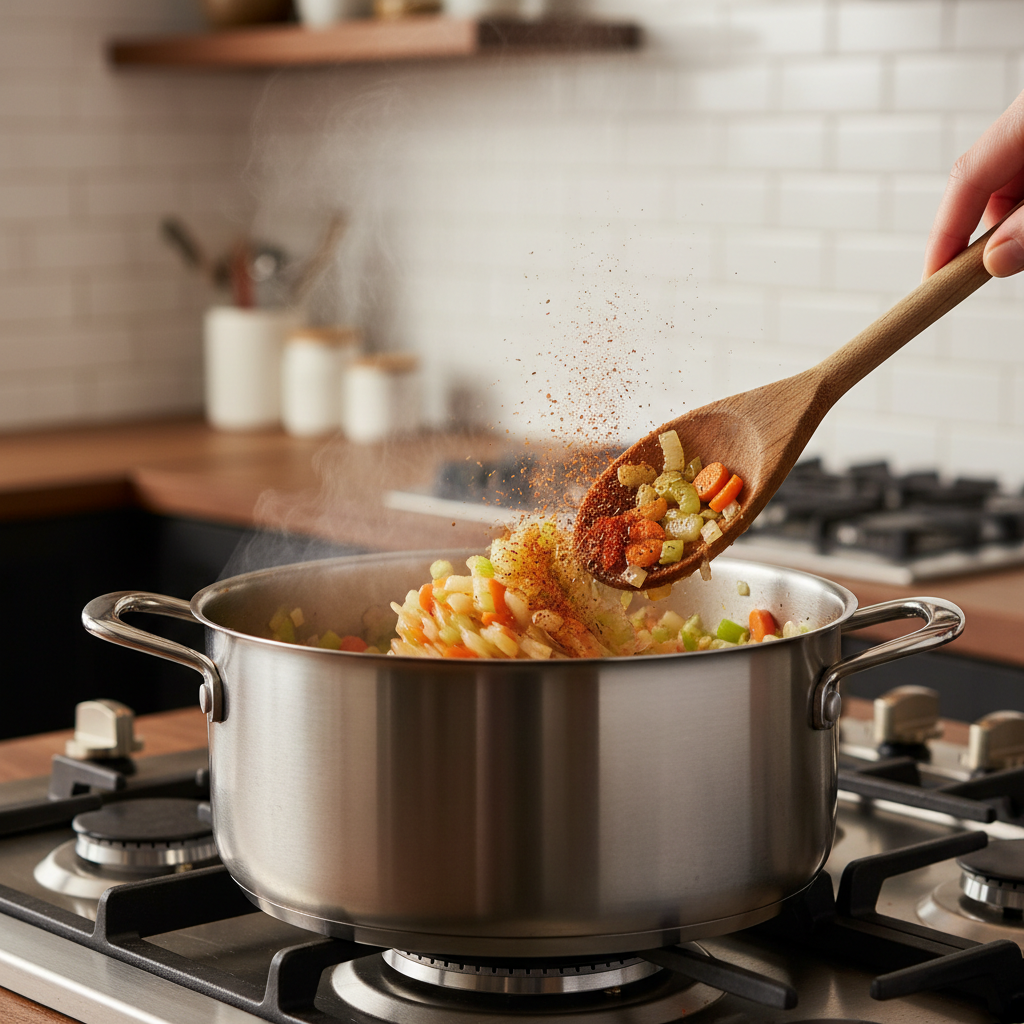
- Bloom spices: stir spices into hot oil for 30–60 seconds before broth.
- Use “two textures”: keep some veggies chunky, blend a small portion for creaminess.
- Add acid late: lemon or vinegar at the end prevents flat taste.
- Salt in stages: especially if your broth is salted; taste after simmering.
If you’re cooking for someone with dietary needs, it’s often easier to keep the pot neutral, then let people customize with toppings at the table.
Make-ahead and freezing tips that actually protect texture
Soup is forgiving, but a few ingredients punish you later if you store them the wrong way. If you want best soup recipes for winter warm that reheat like day one, treat storage as part of the recipe.
- Cook pasta/rice separately and add when reheating, otherwise it can turn mushy.
- Hold dairy until the end if you plan to freeze; many creamy soups can split after thawing.
- Freeze flat in zip bags for fast thawing and easy stacking.
- Label like you mean it: soup name + date + “add lemon” reminder.
According to U.S. Food and Drug Administration (FDA), safe food handling includes cooling hot foods promptly and refrigerating within a safe window; if you’re unsure about timing or your fridge runs warm, err on the cautious side and consult a food-safety professional source.
Common mistakes (and quick fixes)
- “It tastes bland.” Add salt gradually, then try acid (lemon/vinegar) and a bit of fat (olive oil, butter) to round it out.
- “It’s too thin.” Simmer uncovered longer, mash beans/potatoes, or blend a portion.
- “It’s too thick.” Loosen with broth, then re-check seasoning so it doesn’t get diluted.
- “Vegetables turned to mush.” Add quick-cook veggies later, or roast them separately and stir in.
- “It’s greasy.” Chill and lift fat, or blot the surface; next time, brown meat then drain.
One more that sneaks up: overdoing strong dried herbs early. A light hand up front, then a fresh-herb finish, keeps the pot from tasting dusty.
Practical serving ideas: toppings and sides that make soup feel special
Sometimes the “recipe” is fine, the bowl just needs contrast. Crunchy, creamy, acidic, something like that.
- Crunch: toasted sourdough, garlic croutons, tortilla strips, roasted chickpeas
- Creamy: Greek yogurt swirl, sour cream, avocado, a little grated cheddar
- Fresh: scallions, cilantro, parsley, basil, baby arugula
- Heat: chili crisp, hot sauce, pickled jalapeños
- Easy sides: sheet-pan grilled cheese, simple salad, cornbread, baked potato wedges
Key takeaways (save this for your next grocery run)
- Pick soup type based on your week, not a perfect-looking recipe photo.
- Build flavor early with browning and spice blooming, then brighten late with acid.
- Meal prep works better when grains and dairy are handled strategically.
- Customize at the table so one pot fits different preferences.
Conclusion: your next bowl can be better than “fine”
If you’re aiming for best soup recipes for winter warm, focus less on chasing a unicorn recipe and more on a repeatable formula: a strong base, a thickener that fits your diet, and a finishing touch that wakes the whole pot up. Pick one soup framework from the list, shop once, and make enough for leftovers, your future self will notice.
Tonight’s easy action: choose either a blended veggie soup or a bean-and-greens soup, then commit to one “finish” you’ll actually use, lemon, herbs, or chili oil. That small decision tends to be what turns soup from acceptable to genuinely cozy.