
Pickle recipes don’t have to be a weekend project or a science experiment, but they do need a few basics right, otherwise you get soft cucumbers, muddy flavor, or jars you don’t trust.
If you want quick wins, focus on two things: a reliable brine ratio and cucumbers that are fresh and firm. Once those are solid, the “fun part” (garlic, dill, spicy, sweet, bread-and-butter) becomes easy instead of guesswork.
This guide keeps it practical: why pickles turn out soft, a quick self-check, a simple reference table, and a handful of beginner-friendly variations you can rotate all summer.
What makes homemade pickles come out crunchy (and what ruins them)
Crunch is mostly about starting ingredients and handling. The brine matters, but even perfect vinegar can’t save an old cucumber that sat too long in a warm kitchen.
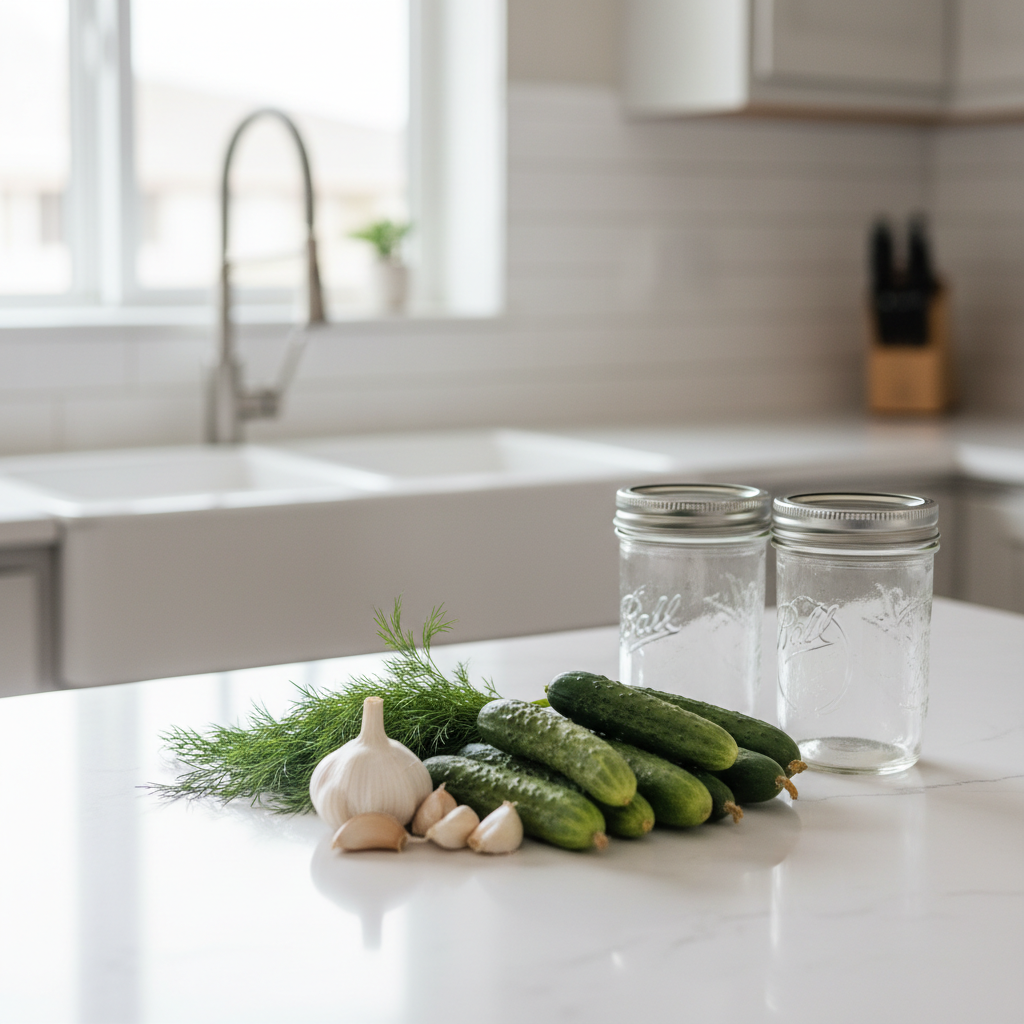
Common reasons pickles soften show up in real kitchens all the time:
- Overripe or waxed cucumbers: pickling cucumbers (Kirby, Persian) usually behave better than large slicing cukes.
- Too much heat or time: boiling brine poured over delicate cucumbers can “cook” them into softness, especially for fridge batches.
- Skipping the trim: removing a thin slice from the blossom end can help because enzymes there may contribute to softening.
- Weak salt choice: table salt can cloud brine; iodized salt may bring off flavors for some people. Pickling salt or kosher salt is typically easier.
- Wrong expectations for the method: quick pickles taste great fast, but they won’t have the same snap as fermented pickles every time.
According to the USDA, safe pickling depends on using tested recipes and correct acid levels, especially if you plan to shelf-store jars rather than refrigerate them.
Quick self-check: which pickle situation are you in?
Before you change your whole approach, figure out what you’re actually making. A lot of “failed pickles” are just a mismatch between method and expectation.
- Fridge pickles: ready in 24–72 hours, keep refrigerated, easiest for beginners.
- Quick pickles with hot brine: slightly faster flavor infusion, still refrigerated unless you use a tested canning process.
- Fermented pickles: no vinegar, use salt brine and time; tangy, complex, usually very crunchy when dialed in.
- Water-bath canned pickles: pantry-stable, but you should follow a tested canning recipe for safety.
If you want “easy” and consistent, start with fridge-style pickle recipes, then move up to canning or fermentation once you know what flavors you love.
Pickle brine cheat sheet (easy ratios you can remember)
This is the part most people overcomplicate. For beginner-friendly pickle recipes, you want a brine that tastes strong on day one because it mellows as it soaks in.
| Method | Typical brine base | When it tastes ready | Where it’s stored |
|---|---|---|---|
| Fridge vinegar pickles | 1:1 vinegar to water + salt + optional sugar | 24–72 hours | Refrigerator |
| Hot brine quick pickles | Often 1:1 vinegar to water, poured hot | 12–48 hours | Refrigerator (unless tested canning) |
| Fermented pickles | Salt + water (no vinegar) | 3–14 days | Cool room temp, then fridge |
| Water-bath canning | Tested vinegar brine formula | 1–2 weeks (flavor develops) | Pantry |
Key takeaway: if you’re improvising, keep fridge pickles refrigerated and don’t treat them like shelf-stable canned goods.
3 easy homemade pickle recipes (start here)
These are written for the “I want this to work on a Tuesday night” crowd. Make one jar first, then scale.
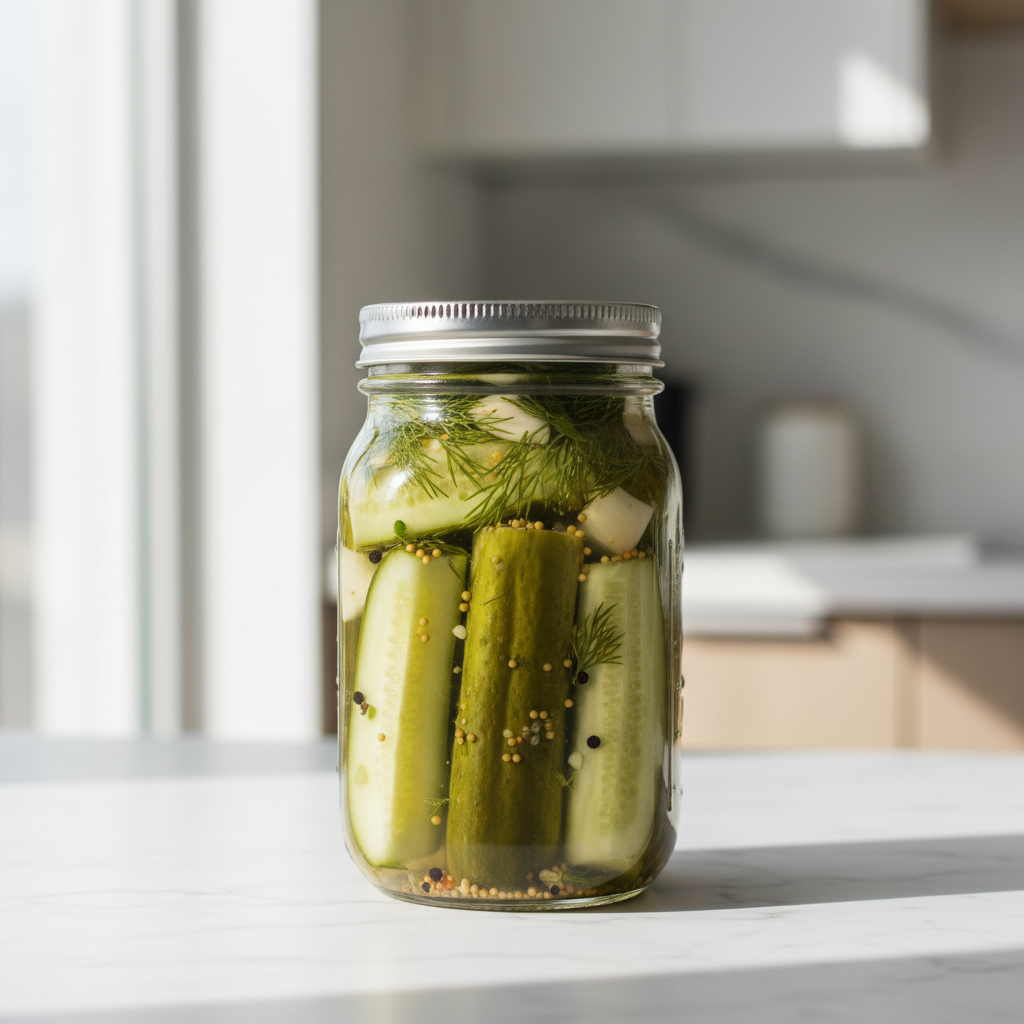
1) Classic Dill-Garlic Fridge Pickles (spears or chips)
What you’ll like: familiar deli flavor, low effort, solid crunch if your cucumbers are fresh.
- Pack the jar: cucumbers (spears/chips), 2–4 smashed garlic cloves, big handful of dill, 1 tsp black peppercorns.
- Brine: 1 cup white vinegar + 1 cup water + 1 tbsp kosher salt. Optional: 1–2 tsp sugar to round edges.
- Pour & chill: pour brine (cool or warm, not aggressively boiling for crispness), refrigerate.
- Eat: start tasting at 24 hours, better around 48–72.
2) Spicy “Sandwich Shop” Pickle Chips
What you’ll like: bright heat without tasting like pure vinegar.
- In the jar: sliced cucumbers, 1–2 tsp red pepper flakes, 1 tsp mustard seed, a few slices jalapeño (optional).
- Brine: 1 cup apple cider vinegar + 1 cup water + 1 tbsp kosher salt + 1 tbsp sugar.
- Tip: if you want heat but not pain, pull jalapeño seeds, let the brine do the work.
3) Easy Bread-and-Butter Pickles (sweet-tangy)
What you’ll like: crowd-pleaser for burgers, less “sharp” than dill styles.
- In the jar: cucumber rounds, thin sliced onion, 1 tsp celery seed, 1/2 tsp turmeric.
- Brine: 1 cup white vinegar + 1 cup water + 1 tbsp kosher salt + 3–5 tbsp sugar (adjust to taste).
- Tip: let this sit 48 hours before judging, sweetness integrates slower.
Step-by-step workflow that prevents soggy pickles
If you keep repeating “my pickles are fine but not crisp,” it’s usually this section you want to tighten up, not the seasoning list.
- Buy small cucumbers and pickle them soon; if they’ve been in your fridge for a week, results vary.
- Rinse well, then slice off a thin coin from the blossom end.
- Optional crisping move: soak cucumbers in ice water 30–60 minutes before packing jars.
- Measure salt instead of eyeballing; brine that’s too weak tastes flat and can soften texture.
- Cool fast if you used warm brine, then refrigerate.
Practical timing: you’ll get good flavor on day two, but day four often tastes more “store-bought.”
Safety notes people skip (especially when “winging it”)
Most easy pickle recipes online are fridge pickles, and that’s fine, but confusion starts when someone tries to store them in a pantry like canned goods.
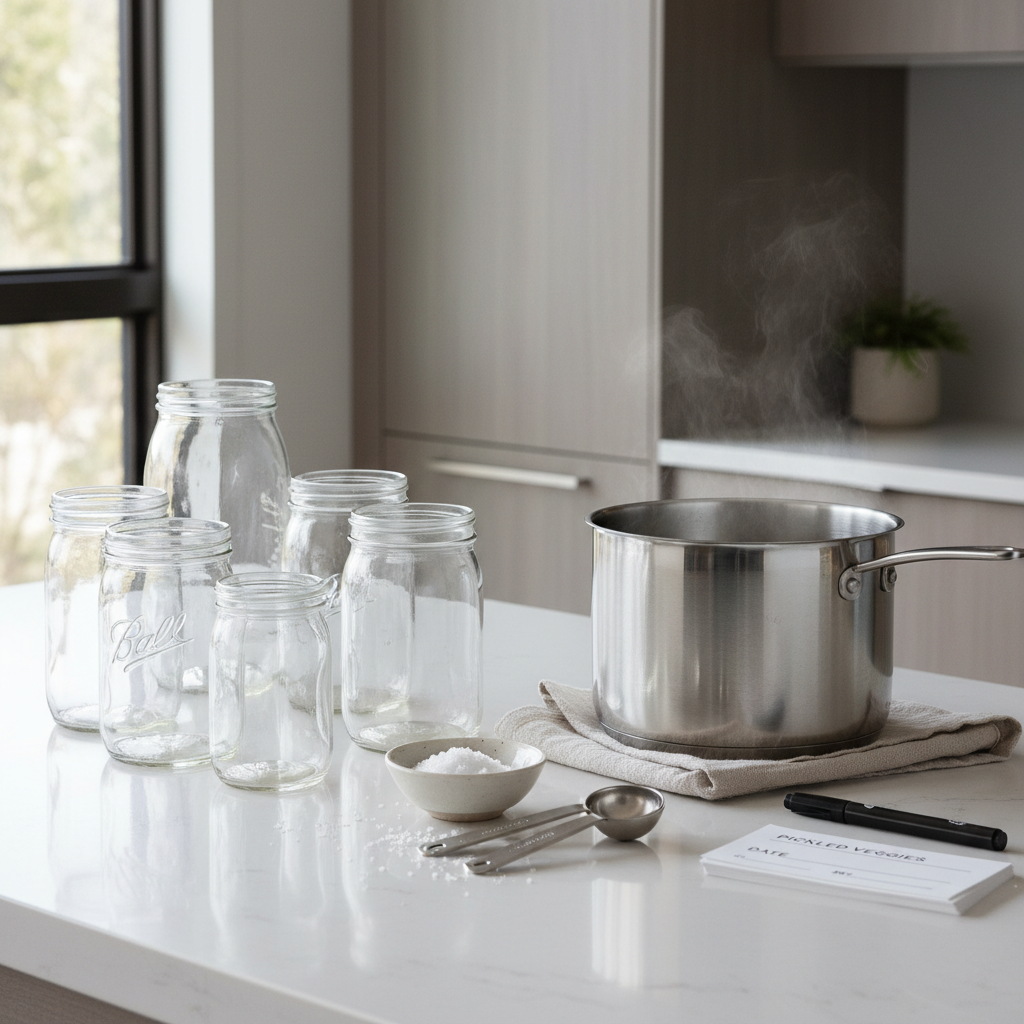
Keep these guardrails in mind:
- Fridge pickles stay refrigerated. If you want shelf-stable jars, use a tested canning recipe and process.
- Don’t reduce vinegar casually. Acid level matters for safety in canned products, and it still matters for taste in the fridge.
- Use clean jars and utensils; “clean” is usually enough for refrigerator storage, while canning has stricter steps.
- When in doubt, toss: odd smell, sliminess, visible mold, or spurting brine are warning signs.
According to the FDA, home food preservation should follow reliable guidance, and people with higher risk tolerance concerns may want to consult a local extension service for canning specifics.
Troubleshooting: fix the most common pickle problems fast
- Too sour: next batch use a little more water, or add 1–2 tsp sugar to balance, keep the method refrigerated.
- Too salty: slice thinner and give it time, or dilute brine slightly for fridge pickles; for canning, don’t freestyle ratios.
- Bland: add more dill/garlic, or a small amount of mustard seed and peppercorns, and wait another day.
- Soft: fresher cucumbers, ice soak, avoid boiling-hot brine, and don’t pack jars next to a warm stove.
- Cloudy brine: often from table salt or spices, usually harmless for fridge pickles, but if you see growth or smell changes, discard.
Conclusion: make it easy, then make it yours
Most pickle recipes become “easy” once you stop changing five variables at once. Pick one method (fridge is simplest), nail a basic brine, then tweak only one flavor lever each batch, more garlic, different vinegar, extra spice, or a touch of sweetness.
If you want a simple next step, make the classic dill-garlic jar today and write down exactly what you used, then adjust one thing next time, that’s how you get to “my pickles” instead of “a jar of experiments.”
FAQ
- What are the easiest pickle recipes for beginners?
Refrigerator pickles are usually the easiest because they don’t require canning equipment, and you can adjust seasoning as you learn what you like. - How long do fridge pickles need before they taste good?
Many batches taste decent after 24 hours, but the flavor often rounds out around 48–72 hours, especially for thicker spears. - Can I reuse pickle brine for another batch?
Sometimes people do for fridge pickles, but flavor and salt strength drift, and it’s harder to judge safety and quality, so a fresh brine is the more reliable move. - Do I have to boil the brine?
Not for most refrigerator pickle recipes. Warm brine can help dissolve salt and sugar, but very hot brine may soften cucumbers. - Why are my homemade pickles not crunchy?
The usual culprits are older cucumbers, too much heat, or skipping the blossom-end trim. An ice-water soak before jarring can help in many cases. - What vinegar works best for pickle recipes?
White vinegar gives a clean, classic tang, while apple cider vinegar adds a slightly sweeter, fruitier note. The best choice depends on the flavor you want. - Can I make pickles without sugar?
Yes. Dill styles often skip sugar entirely, while bread-and-butter styles rely on it for the signature sweet-tang balance.
If you’re making pickle recipes regularly and want them to taste consistent, it helps to keep a small “pickling kit” on hand: pickling or kosher salt, a couple vinegars, and a few staple spices, then you’re not improvising from a half-empty pantry every time.