
pumpkin bread moist is usually the difference between a loaf you keep slicing all week and one that turns dry by the next morning. The good news, you don’t need fancy tricks, you need the right moisture sources, a gentle mix, and a bake that stops at the right moment.
Fall baking tends to invite a few predictable problems: canned pumpkin brands vary, ovens run hot, and many of us accidentally “healthify” the loaf until it loses tenderness. This guide gives you a dependable recipe, plus quick ways to troubleshoot based on what you see and taste.
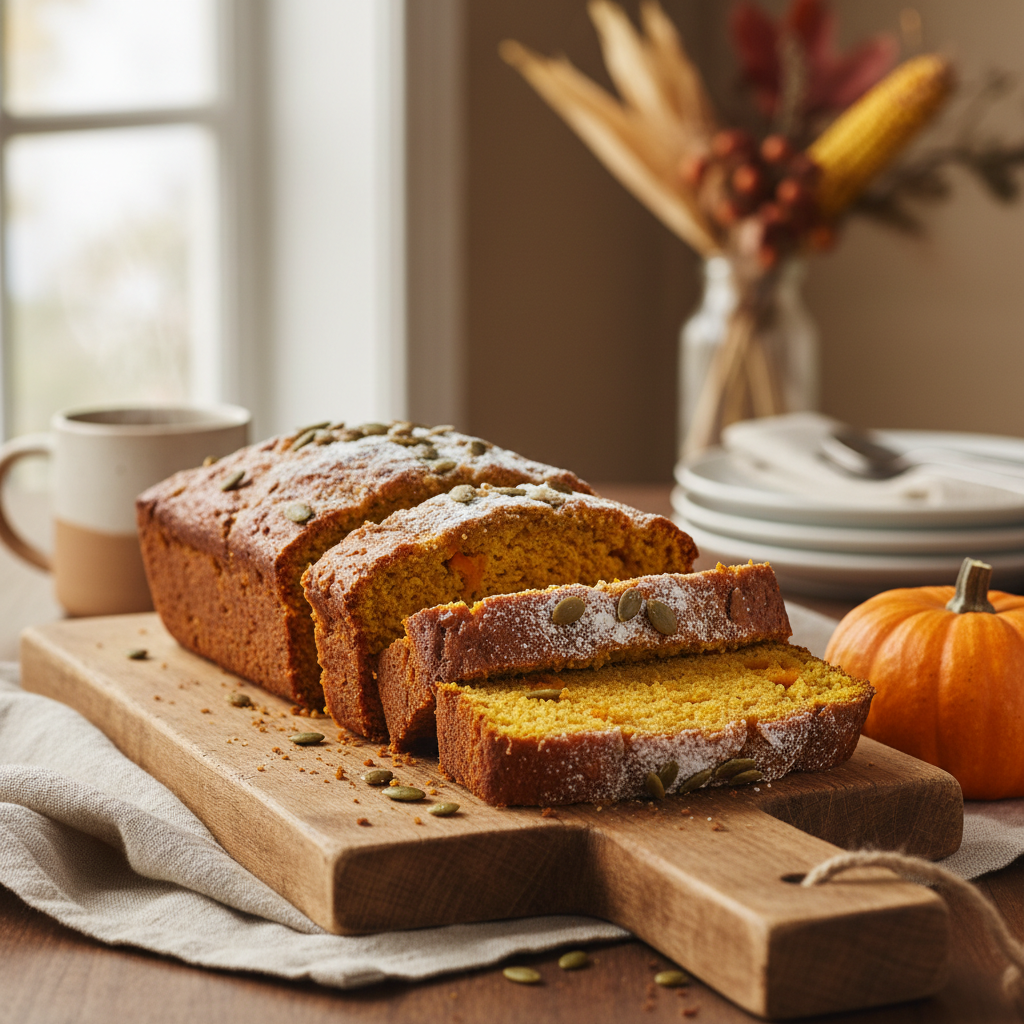
Along the way you’ll get a simple doneness checklist, ingredient swap table, storage tips, and a few “if this happened, do that” fixes so you can stop guessing.
What actually makes pumpkin bread stay moist
Most dryness comes from one of three places: not enough fat or sugar, too much flour, or too much time in the oven. Pumpkin puree helps, but it’s not a magic sponge on its own.
- Oil over butter: Neutral oil keeps crumb softer after cooling. Butter tastes great but can firm up more as it cools.
- Brown sugar + pumpkin: Brown sugar holds onto moisture better than all white sugar, and it complements pumpkin flavor.
- Right flour measurement: Scooping directly from the bag often packs flour, giving you a tighter, drier loaf.
- Don’t “clean bake” it too far: Overbaking by even 5–8 minutes can shift it from tender to chalky.
According to USDA FoodData Central, canned pumpkin is mostly water and fiber, which means moisture depends on balance, not just adding more puree.
Moist Pumpkin Bread Recipe (fall classic, one bowl)
This is a friendly, reliable loaf: warmly spiced, not overly sweet, and built to keep that soft slice. It makes one standard 9x5-inch loaf.
Ingredients
- 1 3/4 cups (210g) all-purpose flour
- 1 tsp baking soda
- 1/2 tsp baking powder
- 1 tsp fine salt
- 2 tsp ground cinnamon
- 1 tsp pumpkin pie spice (or 1/4 tsp each ginger + nutmeg + cloves)
- 1 cup (200g) packed light brown sugar
- 1/3 cup (65g) granulated sugar
- 2 large eggs, room temp if possible
- 1 cup (240g) canned pumpkin puree (not pumpkin pie filling)
- 1/2 cup (120ml) neutral oil (canola, vegetable, avocado)
- 1/4 cup (60ml) milk or buttermilk
- 1 tsp vanilla extract
- Optional: 3/4 cup chopped pecans or walnuts, or 1/2 cup chocolate chips
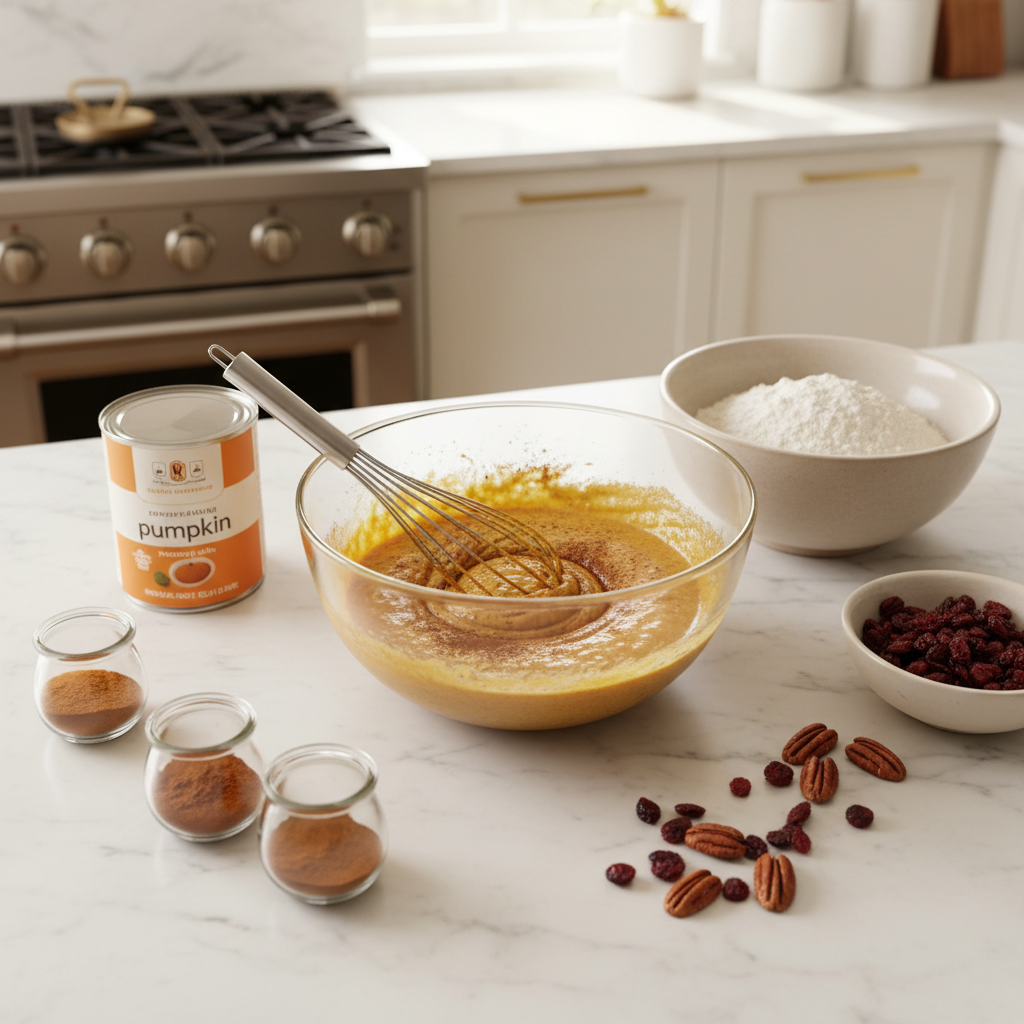
Steps
- Heat oven to 350°F. Grease a 9x5-inch loaf pan and line with parchment if you like easy lifting.
- In a large bowl, whisk flour, baking soda, baking powder, salt, and spices.
- In the same bowl (make a well), add brown sugar, granulated sugar, eggs, pumpkin, oil, milk, and vanilla. Stir until just combined. A few small flour streaks are fine.
- Fold in nuts or chocolate chips if using.
- Pour into pan, smooth the top, bake 55–70 minutes. Start checking at 55.
- Cool in pan 15 minutes, then lift out and cool fully on a rack before slicing.
Key point: you’re aiming for tender, not “mixed to death.” Overmixing develops gluten and can make the loaf feel tough even when it’s technically moist.
Doneness checks that prevent dry pumpkin bread
The center is the last to set, and pumpkin loaves can look “done” on top while still baking hard in the middle. Here’s how to call it without guesswork.
- Thermometer check (most reliable): Pull around 200–205°F in the center.
- Skewer check: A few moist crumbs are good, wet batter is not. A totally dry skewer can mean you went a bit far.
- Top + edges: Top looks set and matte, edges begin to pull slightly from the pan.
- Cool fully: Slicing hot bread releases steam and can make it seem gummy, then dry later.
If your oven tends to run hot, consider tenting loosely with foil around minute 40–45, especially if the top browns fast.
Troubleshooting: quick fixes based on what happened
This is where most people actually need help. Here are the common outcomes and what usually causes them.
- Dry, crumbly slices: often too much flour or baked too long. Next time spoon-and-level flour, and pull earlier using temperature.
- Dense or gummy center: batter overmixed, pan too small, or underbaked. Mix just to combine, verify pan size, and check center temp.
- Big tunnel through the loaf: oven too hot or too much leavener. Confirm 350°F with an oven thermometer, measure baking soda carefully.
- Sinks in the middle: underbaked or too much moisture added via swaps (extra pumpkin, extra milk). Bake to temp and keep additions modest.
- Bitter/soapy taste: too much baking soda, or uneven mixing. Whisk dry ingredients thoroughly before combining.
Smart ingredient swaps (without losing moisture)
You can customize this loaf, just keep the moisture structure intact. This table helps you swap with fewer surprises.
| What you want to change | Good swap | What to expect |
|---|---|---|
| Less dairy | Use oat milk or almond milk | Texture stays similar, flavor slightly lighter |
| Richer tang | Use buttermilk | More tender crumb, a bit more rise |
| Lower oil | Replace up to 1/4 cup oil with applesauce | Still moist, but slightly tighter and less rich |
| Whole grains | Swap up to 3/4 cup with white whole wheat | Heavier crumb, nuttier taste; don’t overbake |
| Gluten-free | 1:1 gluten-free baking blend | Varies by brand; rest batter 10 minutes before baking |
Storage, freezing, and “next-day moisture” tips
If you want pumpkin bread moist on day two and three, storage matters almost as much as the recipe.
- Cool completely before wrapping, trapped heat creates condensation and a weird sticky top.
- Wrap tight: plastic wrap or an airtight container works best for retaining softness.
- Room temp 2–3 days is common in many kitchens; if your home is warm/humid, check sooner.
- Freeze for best texture: slice, wrap slices, then freeze in a bag. Thaw at room temp 30–60 minutes.
- Revive a slice: 10–15 seconds in the microwave softens crumb fast, just don’t overdo it.
Food safety can vary by environment and ingredients; if you add cream cheese swirl or other perishable mix-ins, it’s usually safer to refrigerate and use within a shorter window, and when in doubt, consult a food safety professional source.
Practical bake-day checklist (so you don’t have to “hope”)
- Use pumpkin puree, not pie filling.
- Measure flour with spoon-and-level, or weigh it.
- Mix until combined, then stop.
- Check doneness by temperature, not only toothpick.
- Cool fully before slicing and wrapping.
Conclusion: the easiest path to a consistently moist loaf
If your goal is pumpkin bread moist enough to feel bakery-soft, focus on the boring stuff: accurate flour, oil for tenderness, and pulling the loaf at the right internal temperature. Once that’s locked in, spices and add-ins become the fun part instead of another way to “mess it up.”
Pick one change for your next bake, I’d start with weighing flour or using a thermometer. Those two tweaks solve most repeat problems without changing the whole recipe.
FAQ
Why is my pumpkin bread dry even with pumpkin puree?
Pumpkin adds moisture, but dryness usually comes from extra flour or overbaking. If you scoop flour straight from the bag, it’s easy to add more than the recipe intends, and the loaf bakes up tighter.
How do I keep pumpkin bread moist for several days?
Cool it fully, then wrap it airtight at room temperature. For longer keeping, freeze slices; the texture often stays closer to day-one softness than refrigeration.
Can I use fresh pumpkin instead of canned?
You can, but homemade puree varies a lot in water content. If it looks watery, strain it in a fine mesh sieve so the batter doesn’t turn gummy and sink in the middle.
What’s the best oil for moist pumpkin bread?
Neutral oils like canola or vegetable keep flavor clean and crumb tender. Olive oil works too, just expect a light savory note that not everyone wants in a sweet loaf.
Why did my loaf sink after I took it out?
That’s often underbaking in the center, so the structure collapses while cooling. Next time, bake to about 200–205°F in the middle, and avoid adding extra pumpkin or milk “to make it moister.”
Can I reduce sugar and still get a moist texture?
You can reduce some, but sugar helps retain moisture. If you cut a lot, the loaf may taste less tender; consider keeping brown sugar and reducing only the white sugar slightly.
How do I know if I overmixed the batter?
Overmixed batter tends to look very smooth and elastic, and the baked bread can feel chewy or bready rather than cakey. Stir just until the flour disappears, lumps are fine.
Is it okay to refrigerate pumpkin bread?
It’s okay, but refrigeration can dry baked goods faster. If you need to chill due to perishable mix-ins, wrap it very well and bring slices to room temperature before eating.
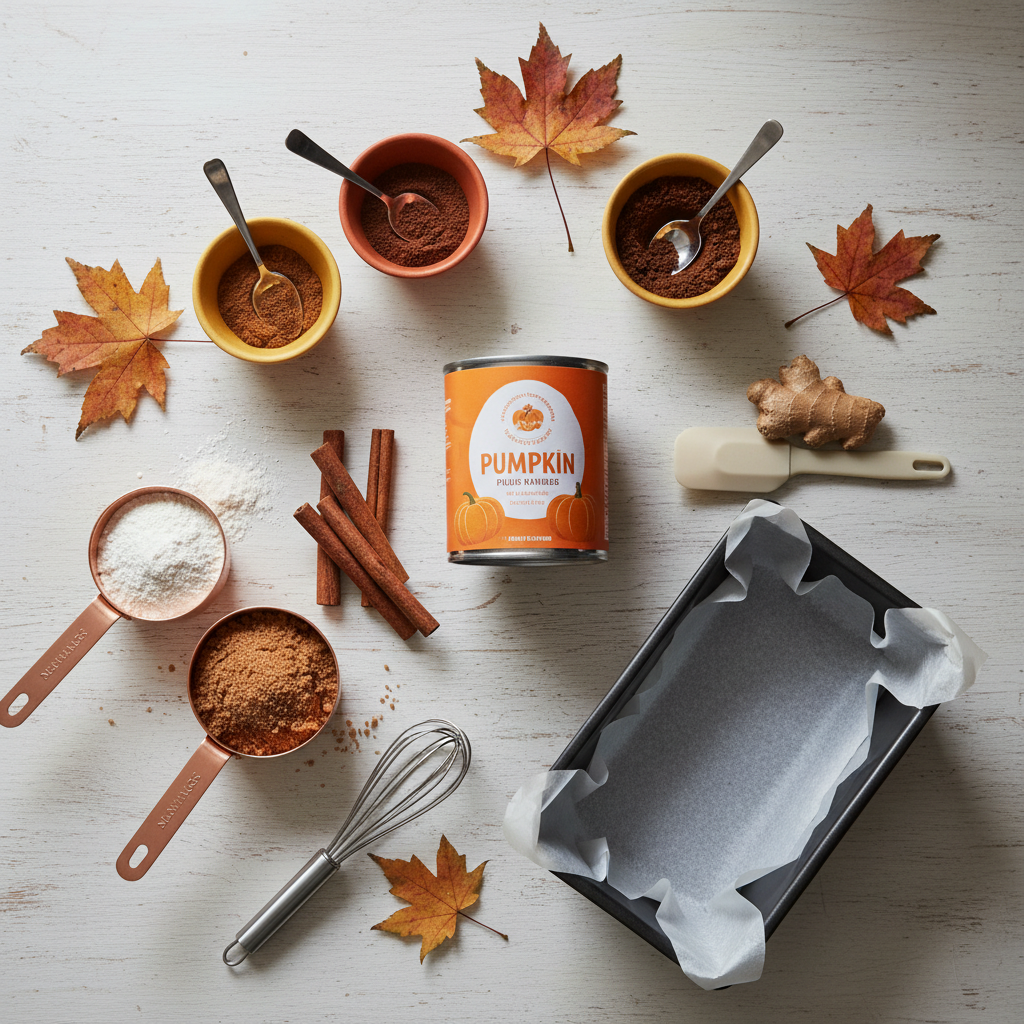
If you’re baking for a busy week and want a more hands-off routine, set yourself up with a simple “pumpkin bread kit” in your pantry: weighed dry mix in a jar, spices pre-blended, and parchment cut to pan size, it makes turning out a moist fall loaf feel much less like a project.