
The best gajar ka halwa recipe carrot usually comes down to three things most people underestimate: choosing the right carrots, managing moisture, and not rushing the milk reduction.
If you’ve tried making gajar ka halwa and ended up with something watery, overly sweet, or oddly gritty, you’re not alone. In many U.S. kitchens, the ingredient swaps are subtle, but they change how the halwa sets, tastes, and even smells.
This guide walks you through a reliable 2026-style approach: a classic flavor profile, realistic ingredient options you can buy in American grocery stores, and the kind of checkpoints that help you adjust mid-cook instead of hoping it magically fixes itself at the end.
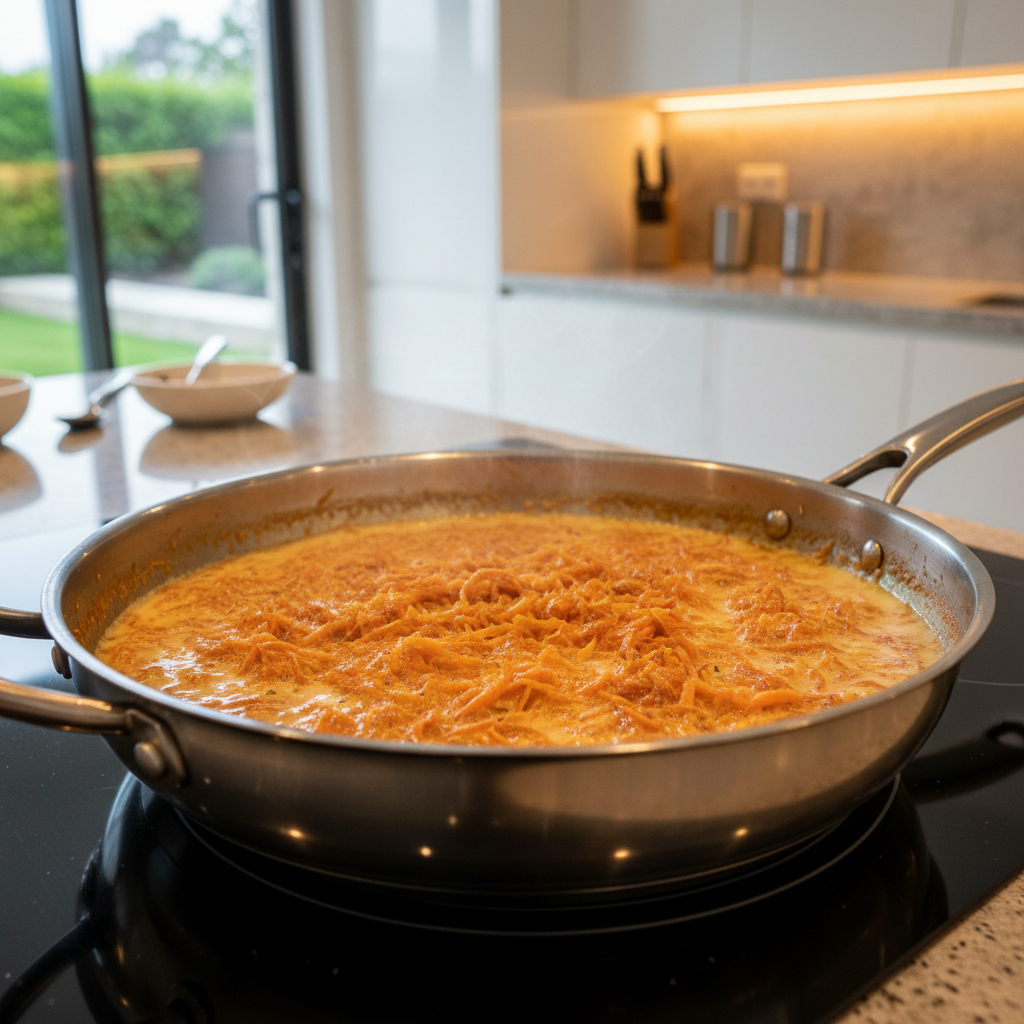
What makes a “best” gajar ka halwa in a U.S. kitchen
In India, many cooks rely on red Delhi carrots when they’re in season. In the U.S., you’ll often use regular orange carrots, sometimes the sweeter “snacking” type, and that shifts both sweetness and water content.
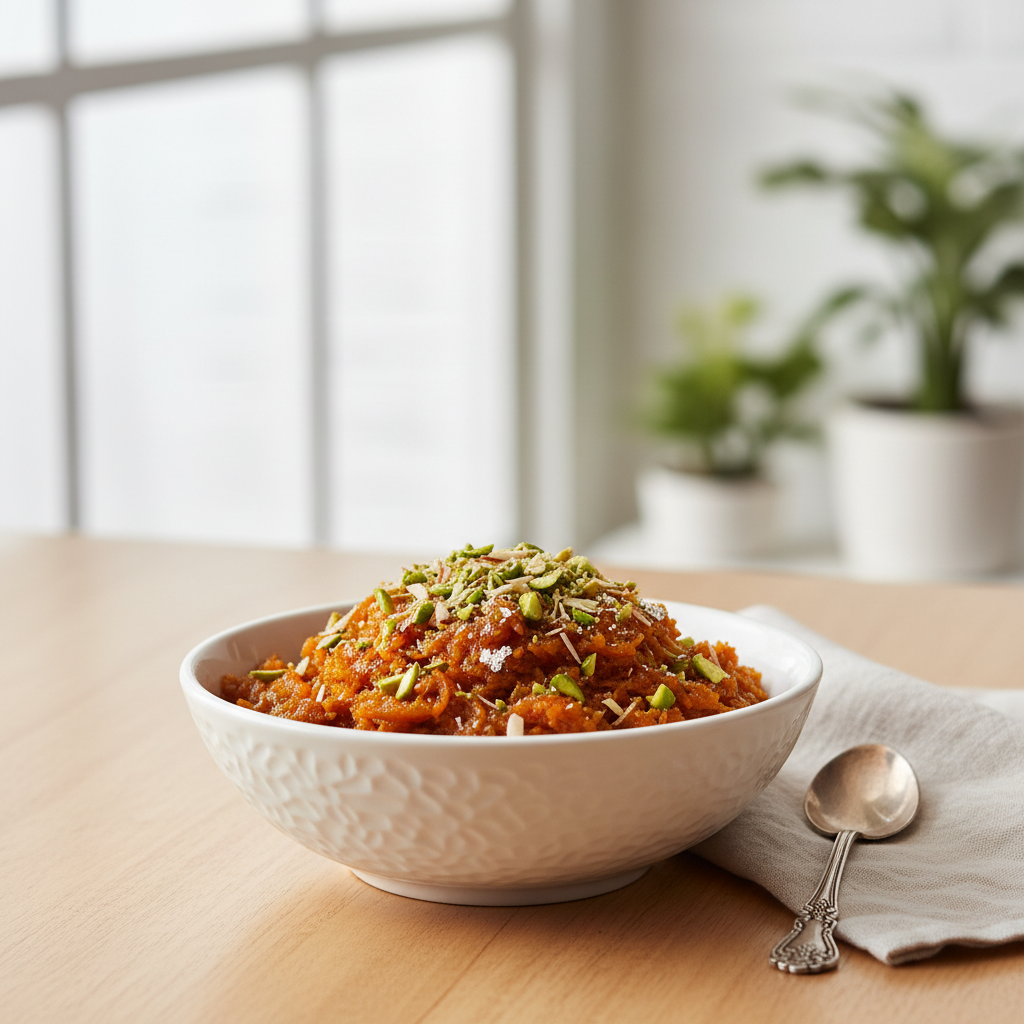
So the “best” version here isn’t about being fancy, it’s about being consistent. You want a halwa that looks glossy, tastes like carrots and milk (not just sugar), and finishes with a soft, spoonable texture that still has a little bite.
- Texture target: moist but not runny, no visible milk pooling, strands of carrot hold together.
- Flavor target: caramelized dairy notes, warm cardamom, balanced sweetness.
- Time reality: most batches take 45–75 minutes depending on pan width and heat.
Ingredients, smart substitutions, and a quick ratio table
Below is a practical ingredient set that works well with common U.S. products, without turning the dessert into something else. If you’re chasing the best gajar ka halwa recipe carrot outcome, resist the urge to cut milk too aggressively, that’s where the depth comes from.
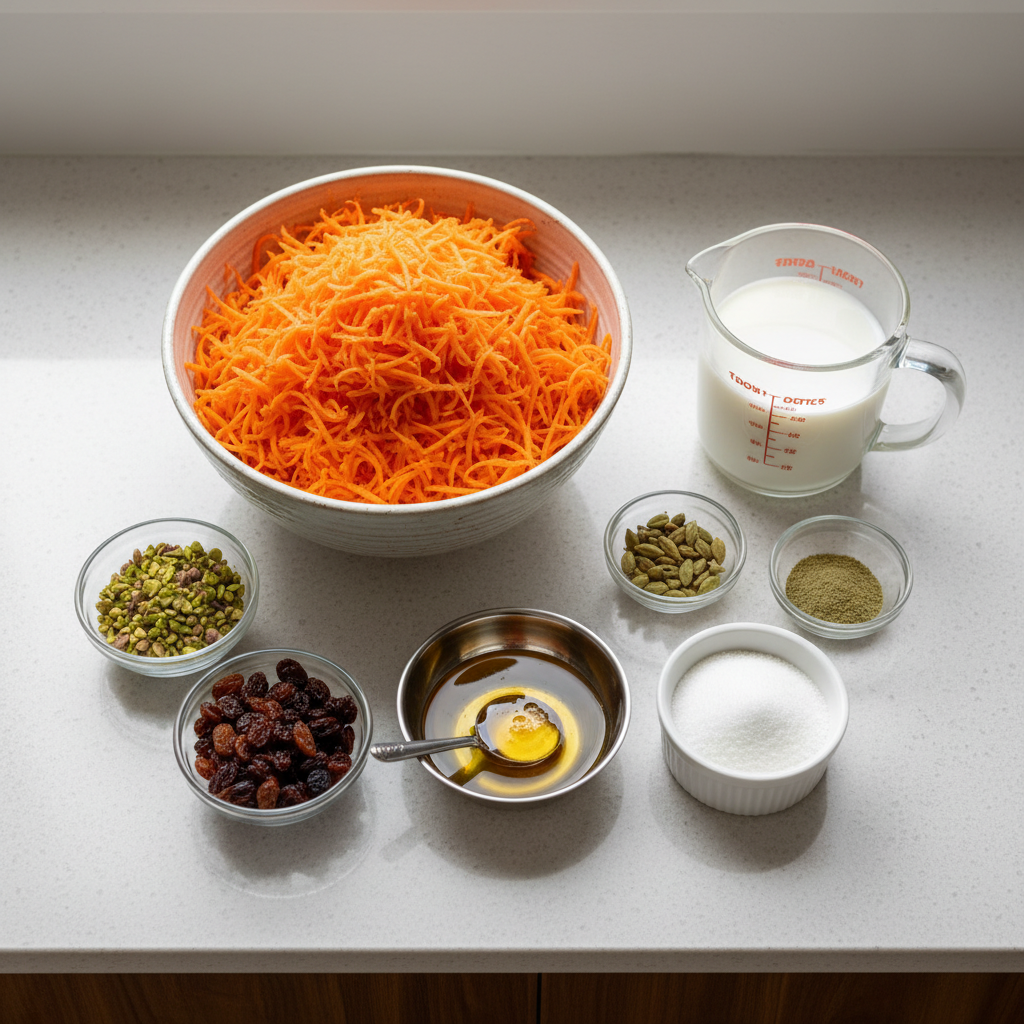
Core ingredients
- Carrots: 2 lb (about 900 g), peeled and grated (medium holes)
- Whole milk: 4 cups (1 liter)
- Ghee: 4–6 tbsp (start with 4)
- Sugar: 1/3 to 1/2 cup (adjust late)
- Cardamom: 1 to 1 1/2 tsp ground, or 8–10 pods freshly crushed
- Optional: 2–4 tbsp chopped nuts (cashews, pistachios, almonds), 2 tbsp raisins
- Optional shortcut: 1/4 to 1/2 cup sweetened condensed milk, used to fine-tune richness (not mandatory)
Ratio table (so you can scale without guessing)
| Carrots | Milk | Ghee | Sugar (range) |
|---|---|---|---|
| 1 lb / 450 g | 2 cups | 2–3 tbsp | 3–6 tbsp |
| 2 lb / 900 g | 4 cups | 4–6 tbsp | 1/3–1/2 cup |
| 3 lb / 1.35 kg | 6 cups | 6–9 tbsp | 1/2–3/4 cup |
Key point: Sugar goes in after the carrots soften and most liquid reduces, otherwise it pulls water out and slows thickening.
Before you cook: a quick self-check to avoid common fails
This takes two minutes and saves you from most “why is it not thickening” moments. Different carrots and pans behave differently, so a tiny check upfront matters more than people expect.
- Carrot freshness: very fresh carrots release more juice, so expect a longer reduction time.
- Grate size: too fine can turn mushy, too thick stays crunchy; medium holes give the classic bite.
- Pan choice: a wide, heavy pan thickens faster than a deep pot.
- Milk choice: whole milk gives better body; low-fat often tastes flatter and takes longer.
- Heat patience: medium to medium-high is fine, but constant high heat increases sticking risk.
Step-by-step: best carrot gajar ka halwa recipe (classic method)
This method aims for the flavor you want without making the process fragile. You can absolutely multitask while it cooks, but the last 15 minutes need your attention.
1) Start with ghee and carrots
Heat 4 tbsp ghee in a wide pan on medium. Add grated carrots and cook 8–10 minutes, stirring. You’re not browning yet, you’re coating and starting to soften the carrot fibers.
2) Add milk and reduce slowly
Pour in the milk and bring to a gentle simmer. Stir every few minutes, scraping the bottom. As milk reduces, it concentrates dairy solids, that’s the “khoa-like” richness people chase.
Keep simmering until the mixture looks thick and carrots feel tender, often 25–40 minutes. If it foams up, lower heat a bit, milk boils over fast.
3) Sweeten later, not early
Add sugar once most liquid reduces. Start with 1/3 cup, stir, then taste after 3–4 minutes. Carrots vary a lot in sweetness, so adjust in small increments.
4) Finish with ghee gloss and spice
Add remaining ghee (1–2 tbsp if needed), then cardamom. Cook another 8–12 minutes until the halwa looks glossy and pulls away from the pan in slow folds.
5) Add nuts and raisins (optional)
Stir in nuts and raisins near the end so they stay distinct. If you prefer toasted flavor, toast nuts separately in a little ghee and fold in.
- Done signal: spoon leaves a trail that slowly fills in, and no watery ring forms around the edges.
- Underdone signal: tastes “milky” but thin, carrots float rather than bind.
- Overdone signal: feels dry and crumbly; you can rescue with a splash of warm milk.
Quick variations for different needs (without ruining the texture)
Once you’ve nailed the base, tweaks become easier. Many “innovations” online taste fine but drift away from what people mean by the best gajar ka halwa recipe carrot experience: carrot-forward, dairy-rich, not frosting-sweet.
Faster weeknight version (still good)
- Use evaporated milk for part of the milk to speed reduction.
- Keep sugar modest, let the dairy carry flavor.
- Use a wider pan, it matters more than you think.
Richer “khoa-style” finish
- Add 2–4 tbsp condensed milk near the end, then reduce a few more minutes.
- Cut back on sugar at first, condensed milk brings sweetness.
Lower sugar approach
You can reduce sugar, but don’t remove it completely if you still want the classic texture and sheen. Sugar helps with body and a mild caramel note. If you have dietary concerns, it’s reasonable to discuss options with a qualified professional.
Common mistakes and how to fix them mid-cook
This is the part most recipes skip. Real cooking is messy, your carrots might be extra juicy, your stove might run hot, and now you’re standing there thinking it’s “not working.” Usually, it is working, just slower than you expected.
- It’s watery after 30 minutes: raise heat slightly, switch to a wider pan if possible, stir more often. Avoid adding extra sugar to “help.”
- It tastes bland: add a pinch of salt and a bit more cardamom, then cook 5 minutes. Salt doesn’t make it salty, it sharpens dairy and carrot flavor.
- It’s grainy: sometimes milk solids curdle from high heat; lower heat, stir steadily. Using very fresh milk and steady simmer often helps.
- It sticks to the bottom: reduce heat, scrape gently, and move to a clean pan if you smell burning. Don’t aggressively mix burnt bits back in.
- Too sweet: add a small splash of milk, reduce again, and increase nuts to rebalance.
Serving, storage, and reheating (make-ahead friendly)
Gajar ka halwa often tastes better after it rests, because the carrot and dairy notes settle. For hosting, that’s great news.
- Serve warm: classic and comforting, especially with extra nuts on top.
- Serve chilled: denser, more fudge-like, good for portioning.
- Storage: refrigerate in an airtight container. If you’re unsure about food safety timing in your situation, follow guidance from reliable public health sources.
- Reheat: low heat on the stove with a splash of milk, stir until glossy again.
According to USDA food safety guidance, perishable foods should not sit at room temperature for extended periods; when serving halwa at gatherings, keep timing and temperature in mind.
Conclusion: how to get that “restaurant-style” finish at home
If you want the best gajar ka halwa recipe carrot result, cook the carrots in ghee first, reduce the milk patiently, and sweeten near the end. That’s the backbone, everything else is preference.
Pick one batch this week and commit to the texture checkpoints, not the clock. And if you’re serving guests, make it a day ahead, reheat gently, then add fresh nuts right before bringing it to the table.