
The best ground beef recipes for dinner usually have two things going for them: they cook fast, and they stay flexible when your fridge looks random. This guide leans into that reality, with dependable flavors, adjustable spice levels, and ingredients you can find at most U.S. grocery stores.
Ground beef also gets a bad rap for being “boring,” but that’s often a seasoning and texture problem, not a beef problem. The difference between bland and craveable is normally heat control, salt timing, and whether you build a sauce that actually coats.
I’ll share a set of dinner-ready recipes, plus a quick “choose your dinner” table, a self-check to pick the right dish for your week, and a few practical fixes for common ground beef mishaps. You’ll leave with meals you can repeat without feeling stuck in a loop.
Quick pick table: choose tonight’s ground beef dinner
If decision fatigue is the real enemy, this table helps. Pick based on time, cookware, and how “saucy” you want dinner to be.
| Recipe idea | Approx. time | Best for | What to serve with |
|---|---|---|---|
| One-pan beef taco skillet | 20–25 min | Fast weeknights, picky eaters | Rice, tortillas, lettuce |
| Garlic-ginger beef lettuce wraps | 20 min | Lighter dinners, no oven | Cucumber salad, jasmine rice |
| Classic beef chili (weeknight version) | 35–45 min | Meal prep, freezer-friendly | Cornbread, chips, toppings |
| Smash burger patties | 15–20 min | Comfort food, minimal prep | Salad, fries, slaw |
| Beef and vegetable stir-fry | 25–30 min | Use up produce | Noodles, rice |
| Baked ziti-style beef pasta (shortcut) | 35–40 min | Family dinners, leftovers | Green salad, garlic bread |
Why ground beef dinners go wrong (and how to avoid it)
Most disappointments come down to a few repeat patterns. Fix these, and a lot of “new recipes” suddenly start tasting better.
- You crowd the pan, so beef steams instead of browning. Use a wider pan or cook in two batches.
- You drain everything, including flavor. If the beef is very fatty, drain some, not all, then rebuild with spices and a splash of broth.
- Seasoning hits too late. Salt early enough to penetrate, then adjust at the end.
- No acid. Many dishes need a squeeze of lime, a spoon of vinegar, or tomatoes to taste “finished.”
- Sauce is thin. Let it simmer uncovered for a few minutes so it clings.
One safety note that matters: ground beef should be cooked thoroughly. According to USDA, ground beef should reach 160°F internal temperature; if you have health concerns, it’s smart to consult a qualified professional for personalized guidance.
Self-check: which recipe style fits your week?
Before you chase “best ground beef recipes for dinner,” it helps to be honest about your constraints. Pick the statements that match your situation, then choose the recipes in the next section accordingly.
- I need low dishes → one-pan skillet meals, sheet-pan toppings, taco bowls.
- I need leftovers → chili, pasta bakes, stuffed peppers, saucy meat sauces.
- I’m watching heaviness → lettuce wraps, beef-and-veg stir-fries, taco salads.
- I have 20 minutes → smash burgers, quick tacos, lettuce wraps.
- My family likes mild flavors → cheeseburger-style skillet, sloppy joe bowls, basic meat sauce.
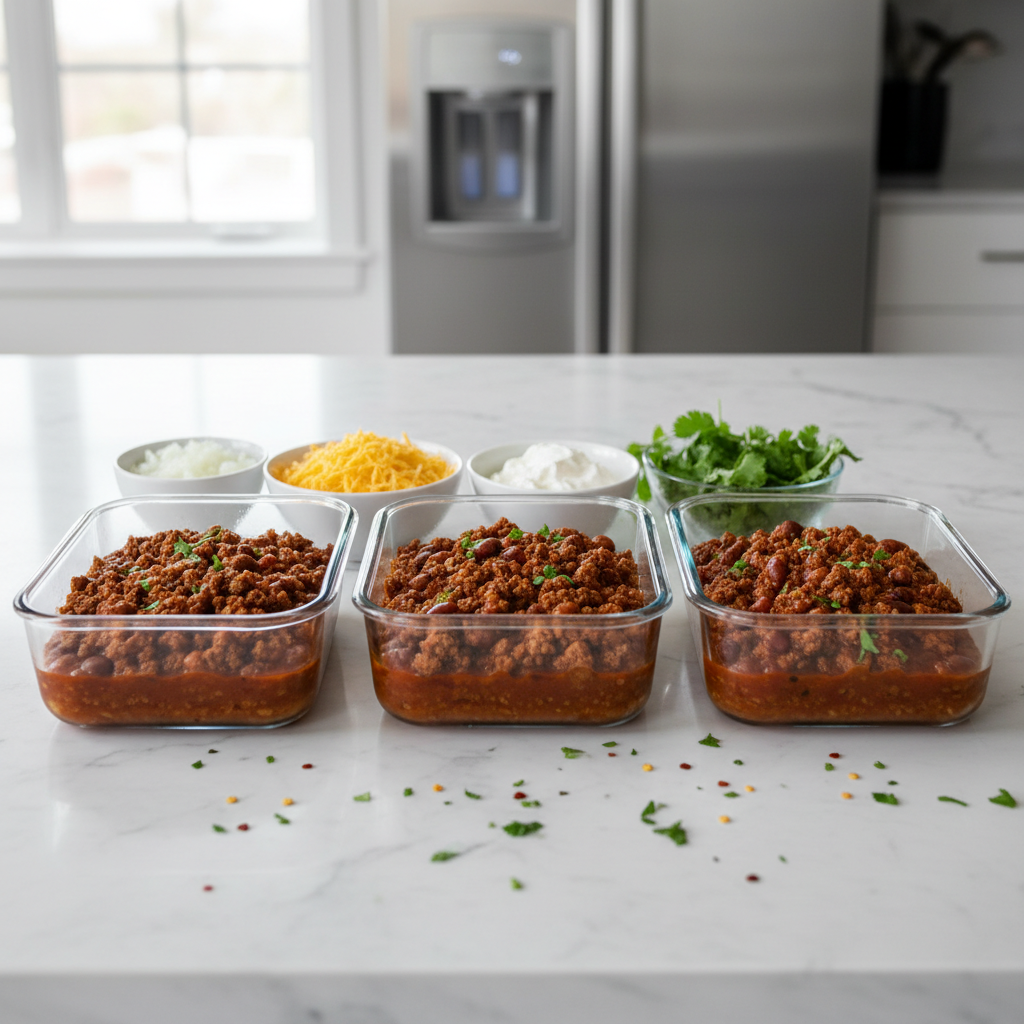
Key takeaway: “Best” is usually “best for your Tuesday.” When you match the recipe to time and mood, you cook more often and waste less food.
Best ground beef dinner recipes to cook in 2026 (repeatable, flexible)
These are structured as core method + swaps, because that’s how real weeknight cooking works. You can rotate flavors without learning a new technique every time.
1) One-pan beef taco skillet (weeknight workhorse)
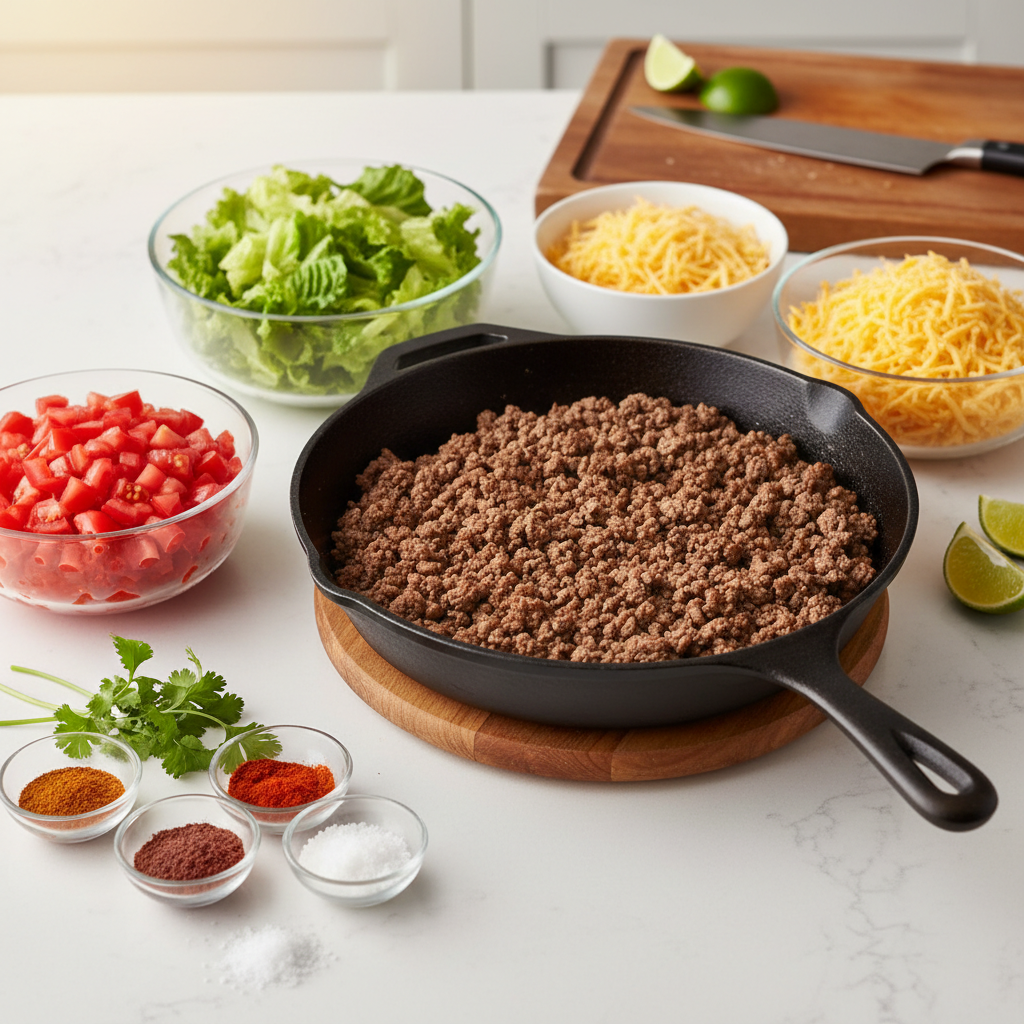
Brown beef in a wide skillet, add diced onion, then stir in taco seasoning, canned diced tomatoes, and a small splash of broth. Simmer until thick, fold in black beans or corn if you want it bigger, then top with cheese.
- Make it fresher: lime, cilantro, shredded lettuce at the end.
- Make it milder: use chili powder + cumin instead of a spicy packet.
- Serve: tortilla chips, rice bowls, or in tortillas.
2) Garlic-ginger beef lettuce wraps (fast, not heavy)
Cook beef with garlic and ginger, then add soy sauce, a touch of brown sugar or honey, and a spoon of rice vinegar. Toss in shredded carrots and chopped scallions for crunch, then spoon into lettuce cups.
- Swap: ground turkey works too, but beef stays richer.
- Upgrade: sesame oil at the end, not early, so it stays aromatic.
3) Weeknight chili that still tastes like chili
Brown beef, add onion and garlic, then bloom chili powder and cumin in the hot fat for 30 seconds. Add crushed tomatoes, beans, and a little broth, simmer until you like the thickness.
- Deepen flavor: a spoon of tomato paste, or a dash of cocoa, if your household likes it.
- Fix bland chili: salt, then acid, then heat, in that order.
4) Smash burgers at home (better than “thick patties” for most pans)
Use 80/20 if your diet allows, form loose balls, then smash hard onto a ripping-hot skillet. Salt after the smash, flip once you get crust, add cheese, and steam briefly with a lid if needed.
- Common mistake: overworking the meat, which turns burgers bouncy.
- Serve: quick sauce with mayo, mustard, pickle relish, and pepper.
5) Beef and vegetable stir-fry (use-up-the-fridge dinner)
Brown beef, remove, then stir-fry veggies hot and fast. Add beef back with a simple sauce: soy sauce, cornstarch slurry, garlic, and a little broth. Simmer just until glossy.
- Best vegetables: bell pepper, broccoli, snap peas, cabbage.
- Texture tip: keep veggies crisp, the sauce should do the “coating.”
6) Shortcut baked ziti-style beef pasta (cozy, good leftovers)
Brown beef with Italian seasoning, add marinara, then fold into cooked pasta with ricotta or cottage cheese and mozzarella. Bake until bubbly, finish with basil if you have it.
- Weeknight shortcut: broil 2–3 minutes instead of a full bake, if your dish is already hot.
- Freeze tip: cool fast, wrap tight, label clearly.
Practical tips to make these dinners taste better (without extra work)
These small moves matter more than buying a new sauce or chasing a viral recipe.
- Brown in a single layer: if beef releases water, keep cooking until it evaporates, then browning starts.
- Bloom spices: stir spices into hot fat briefly, then add liquid.
- Add acid at the end: lime, vinegar, or a bit of tomato helps flavors “pop.”
- Use a thermometer when unsure, especially for burgers and meatloaf-style dishes.
- Choose the right leanness: 90/10 works for saucy recipes, 80/20 often shines for burgers.
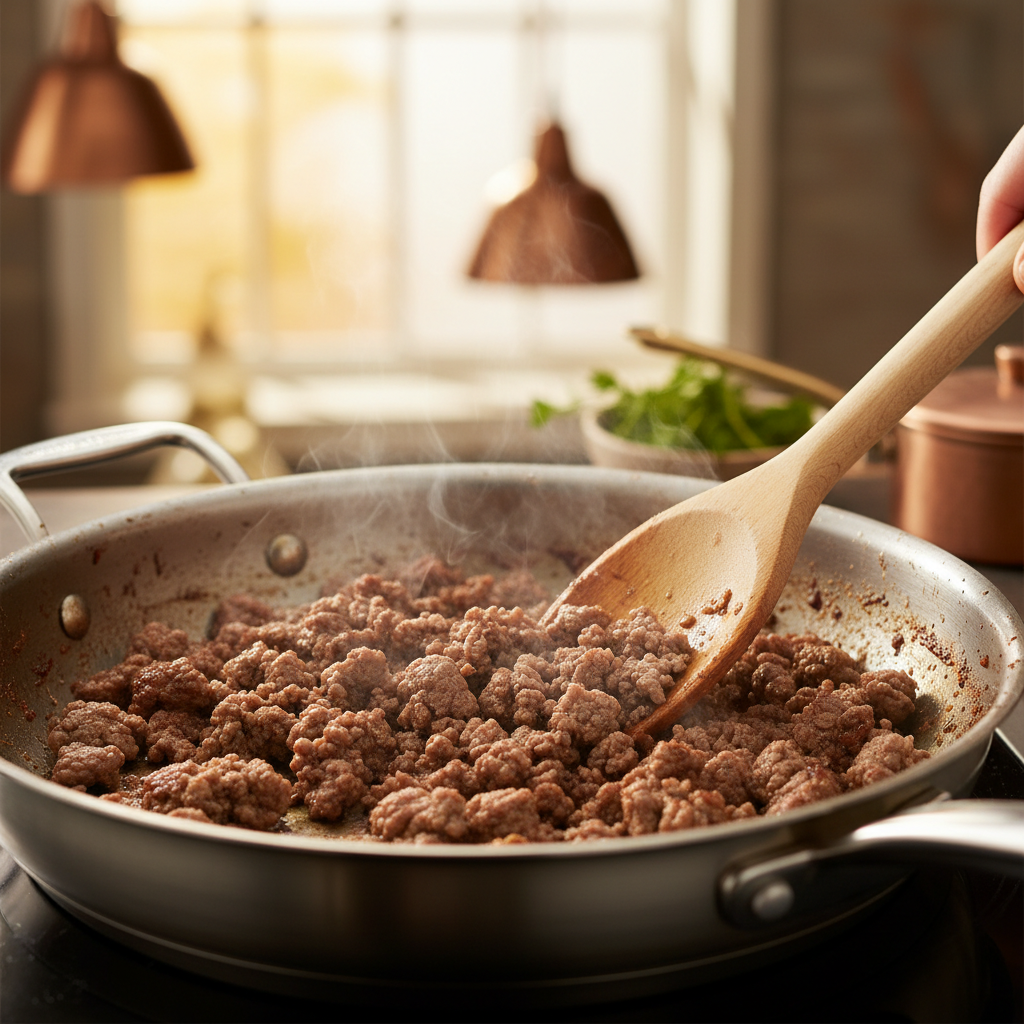
Quick win: If you only change one thing, stop stirring so much. Let the meat sit long enough to build color, then break it up.
Common mistakes with ground beef dinners (and what to do instead)
A lot of “meh” dinners aren’t recipe failures, they’re small execution slips. Here are the big ones I see repeated.
- Using a cold pan: start hot for browning, then lower heat once sauce is in.
- Skipping aromatics: onion and garlic aren’t fancy, they’re foundational.
- Over-draining: if you drain everything, you also drain the carrier for spices.
- Oversalting late: you can fix under-salting at the end, but it tastes sharper than seasoning in stages.
- Too much sweetness: common in sloppy joes and jar sauces, balance with vinegar or mustard.
When it’s worth getting more help
If you’re cooking for someone with food allergies, kidney disease, heart-related dietary restrictions, pregnancy-related food safety concerns, or you’re trying to hit specific macros, general recipe advice can miss important details. In those situations, it’s reasonable to ask a registered dietitian or qualified clinician for guidance that fits your needs.
If the issue is skill-based, not health-based, a short cooking class or even one session with a local chef can be surprisingly efficient. Sometimes you only need help with heat management, knife prep, and seasoning, then everything improves.
Conclusion: build a small rotation, not an endless list
The best ground beef recipes for dinner are the ones you can actually repeat, tweak, and enjoy without turning cooking into a project. Start with two styles you like, one skillet option and one leftovers option, then rotate sauces and toppings to keep it interesting.
If you want a simple next step, pick one recipe for tonight and add the ingredients to your list, then choose a second recipe that uses overlapping items so you waste less and feel more in control.
FAQ
What’s the best type of ground beef for weeknight dinners?
It depends on the dish. For burgers, many people prefer 80/20 for flavor and browning; for saucy skillets or chili, 85/15 or 90/10 often works well because the sauce brings richness.
How do I keep ground beef from turning watery?
Use a wider pan, cook in batches, and avoid constant stirring. Water has to evaporate before browning can happen, so give it heat and a little patience.
Can I meal prep these ground beef dinners for the week?
Chili, pasta bakes, and taco meat hold up well. Burgers and lettuce wraps are better cooked close to serving, but you can prep toppings and sauces ahead.
What are easy ways to make ground beef taste more “restaurant-level”?
Brown properly, bloom spices in fat, and finish with acid. That trio does more than adding extra cheese or sugar.
How can I make these recipes more kid-friendly?
Keep heat low, let kids build their own bowls or tacos, and separate toppings. A “DIY bar” solves many picky-eater standoffs without cooking two meals.
Are these dinners freezer-friendly?
Chili and baked pasta usually freeze well if cooled quickly and packed airtight. Lettuce wraps don’t freeze well, and cooked vegetables in stir-fry can soften after thawing.
What internal temperature should ground beef reach?
According to USDA, ground beef should reach 160°F. If you’re cooking for someone at higher risk, you may want to be extra careful and consult a qualified professional.
I’m bored of tacos, what’s a different flavor direction?
Try garlic-ginger lettuce wraps, a Mediterranean-style skillet with oregano and lemon, or a simple beef stir-fry with a glossy soy-based sauce. Same technique, new payoff.
If you’re building a weeknight rotation and want it to feel less repetitive, keep the core method the same and swap the “identity layer,” sauce, spice blend, and toppings, it’s often the most realistic way to get variety without adding stress.