
Spaghetti sauce homemade should taste like something you actually want to eat by the spoonful, not like thin tomato soup or overly sweet jar sauce. If your past attempts came out watery, sharp, or just flat, the fix usually isn’t “more salt,” it’s a few small technique choices.
This guide gives you a dependable base recipe, then shows you how to adjust it for weeknights, meat versions, or a slower Sunday simmer. I’m also including quick troubleshooting, a timing table, and storage guidance, because most sauce problems show up after it cools.
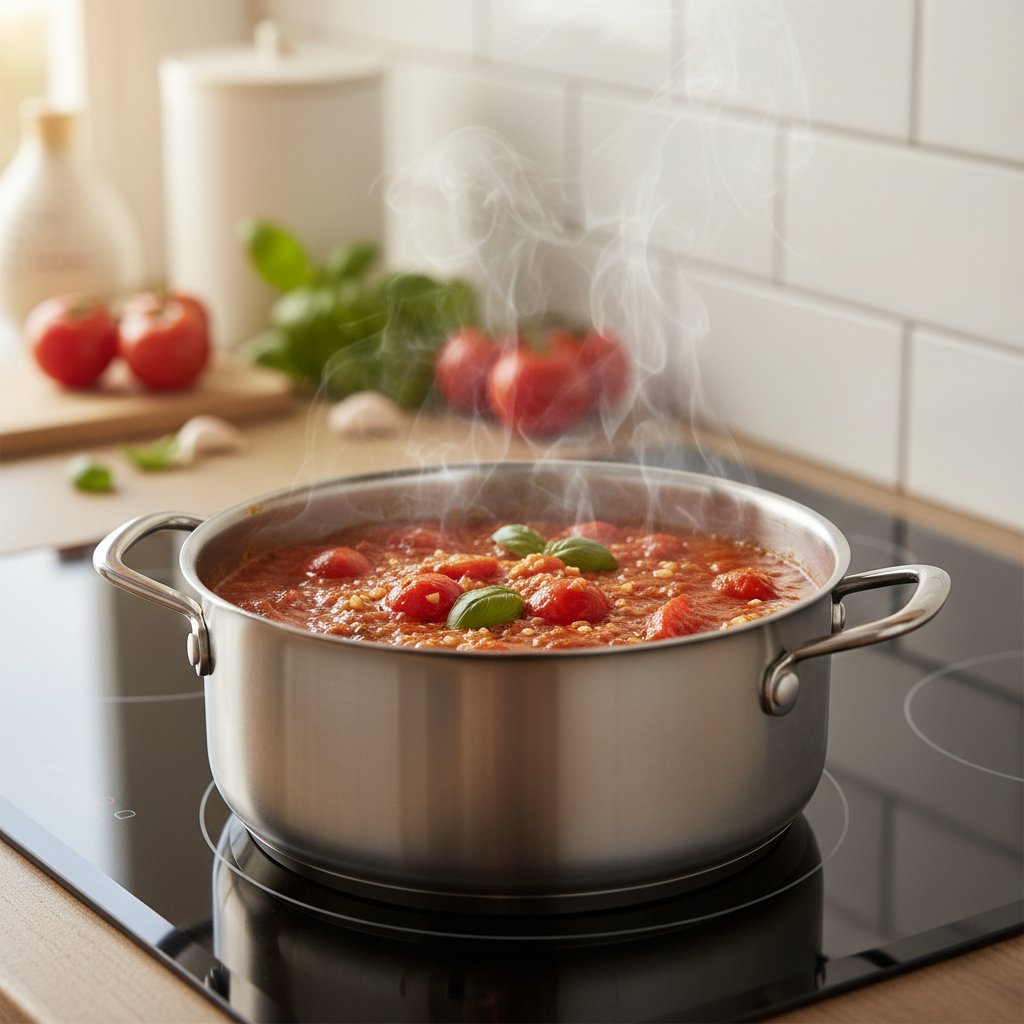
One more thing before we cook, the “best” sauce depends on the tomato product you buy and how you like acidity. So I’ll give you a solid starting point, plus a simple way to dial it in without dumping sugar in as a crutch.
What usually makes homemade spaghetti sauce disappointing
Most sauce misses come from a few repeat issues, not bad luck. Here’s what I see most often when people describe “it tastes fine but something’s off.”
- Under-building the base: if onion and garlic don’t get time in the pan, the sauce stays one-note.
- Too much water, too soon: rinsed pasta water, wet tomatoes, or a lid traps steam and keeps it thin.
- Acidity unmanaged: tomatoes bring natural acid, and some brands are sharper than others.
- Herbs treated the same: dried herbs need simmer time, fresh herbs often taste brighter when added near the end.
- Not enough fat: olive oil (or meat fat) carries flavor, without it the sauce can taste “hollow.”
According to USDA FoodData Central, canned tomatoes can vary by product type and processing, which is a nerdy way of saying: you may need small adjustments depending on what’s in your pantry.
A reliable spaghetti sauce homemade recipe (core version)
This is the base I’d start with if you want a classic red sauce that works for spaghetti, baked pasta, meatballs, or lasagna layering. It’s intentionally simple, because you can always add heat, meat, or extra vegetables once the foundation tastes right.
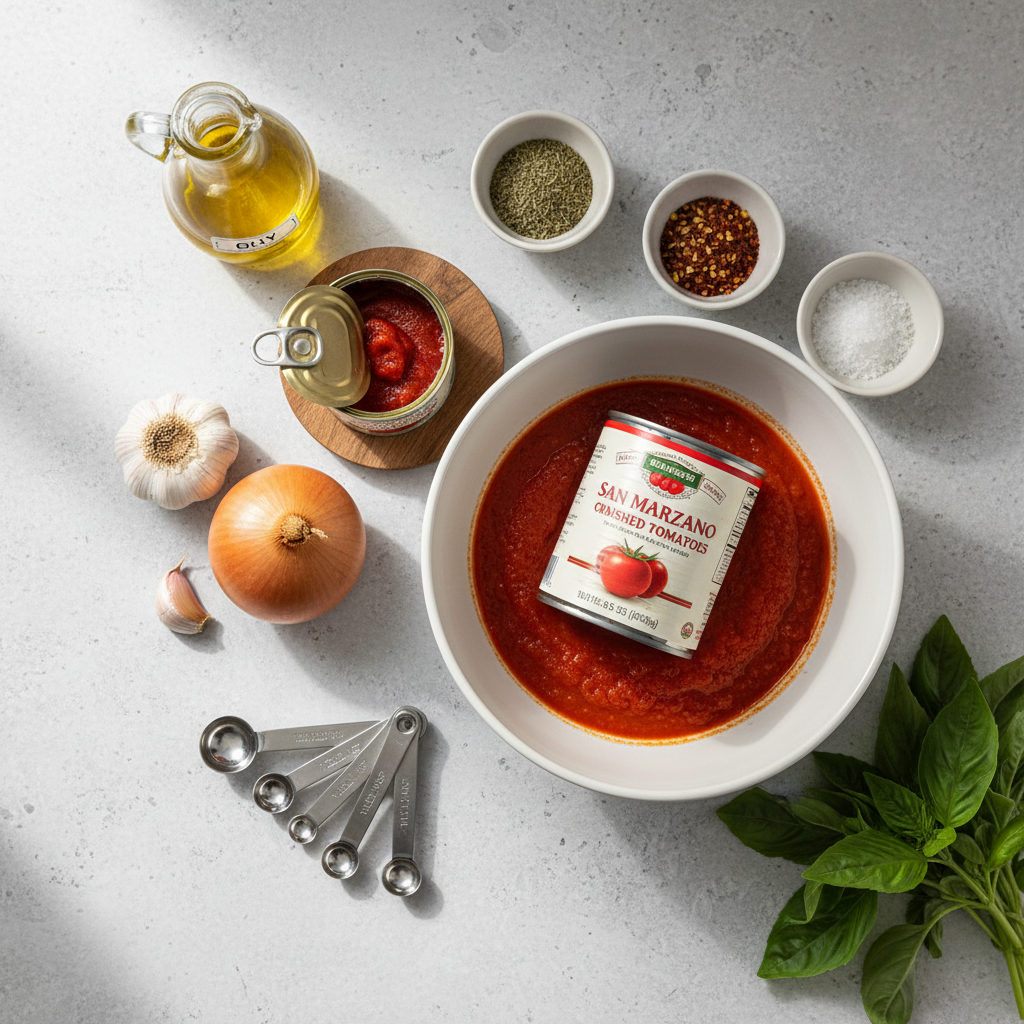
Ingredients (makes about 5–6 cups)
- 2 tbsp extra-virgin olive oil
- 1 medium yellow onion, finely chopped
- 4 cloves garlic, minced
- 2 tbsp tomato paste
- 1 (28 oz) can crushed tomatoes (or whole peeled, crushed by hand)
- 1 tsp dried oregano
- 1/2 tsp dried basil (or 2 tbsp fresh basil added at the end)
- Pinch of red pepper flakes (optional)
- 1 tsp kosher salt, then adjust
- Freshly ground black pepper
- 1 tsp balsamic vinegar or 1/2 tsp sugar (optional, only if needed)
Method (about 35–45 minutes)
- Warm olive oil in a pot over medium heat, add onion with a pinch of salt, cook until soft and lightly golden.
- Add garlic, stir 30–60 seconds, keep it fragrant but not browned.
- Stir in tomato paste and cook 1–2 minutes, this step deepens flavor.
- Add tomatoes, oregano, basil, pepper flakes, salt, and black pepper.
- Bring to a gentle simmer, then reduce heat, simmer uncovered 25–35 minutes, stirring occasionally.
- Taste, then adjust with a small splash of balsamic vinegar for depth, or a tiny bit of sugar if the tomatoes taste overly sharp.
Key point: keep it at a gentle simmer, not a hard boil. A calmer simmer reduces bitterness and helps the sauce thicken without scorching.
If you want a smoother texture, blend briefly with an immersion blender. If you want it chunkier, use whole peeled tomatoes and crush them by hand in the pot.
Quick self-check: what kind of sauce problem do you have?
Before you “fix” anything, identify the problem. Different symptoms call for different adjustments, and some fixes cancel each other out.
- Watery: simmer longer uncovered, don’t add pasta water until the end, avoid using the lid.
- Too acidic: add a touch of fat (olive oil, butter), or a small pinch of sugar, or balance with grated Parmesan at serving.
- Too sweet: skip sugar, add a splash of red wine vinegar or extra tomato paste, and make sure you’re salting enough.
- Flat/bland: more salt is possible, but often it’s missing cooked tomato paste, enough olive oil, or a longer simmer.
- Bitter: garlic may have browned, or the sauce boiled too hard, start lower heat next time.
When in doubt, adjust in small steps, wait a minute, then taste again. Big “rescues” usually push the sauce into a new problem.
Timing table: simmer time, flavor, and best use
If you’re trying to fit dinner into a real schedule, this helps you choose your simmer time on purpose, instead of guessing.
| Simmer Time | What You Get | Best For |
|---|---|---|
| 15–20 min | Bright tomato flavor, thinner body | Weeknight spaghetti, meatless bowls |
| 30–45 min | Balanced flavor, thicker texture | Most pasta dishes, baked ziti |
| 60–120 min | Deeper, sweeter tomato notes without added sugar | Sunday sauce, meat sauces, freezer batches |
For the longer simmer, keep heat low and stir more often. The last 15 minutes is where sticking and scorching can sneak in.
Practical upgrades (choose 1–2, don’t overdo it)
A good spaghetti sauce homemade base handles add-ins well, but piling in five “flavor boosters” at once can muddy the taste. Pick what matches your meal.
For richer flavor
- Finish with butter: 1 tbsp at the end can soften sharp edges.
- Add Parmesan rind: simmer it in the sauce, then remove before serving.
- Deglaze with wine: a splash of red wine after onion and garlic, simmer 2 minutes before tomatoes.
For a meat version without drying it out
- Brown 1 lb ground beef, pork, or Italian sausage, then remove excess fat if needed.
- Add tomato paste to the same pot, scrape browned bits, then add tomatoes.
- Simmer at least 45–60 minutes so the meat flavor blends in.
For a veggie-forward sauce that still feels “meaty”
- Finely chop mushrooms and sauté until they release moisture and brown.
- Add grated carrot for body, but go light so it doesn’t read as sweetness.
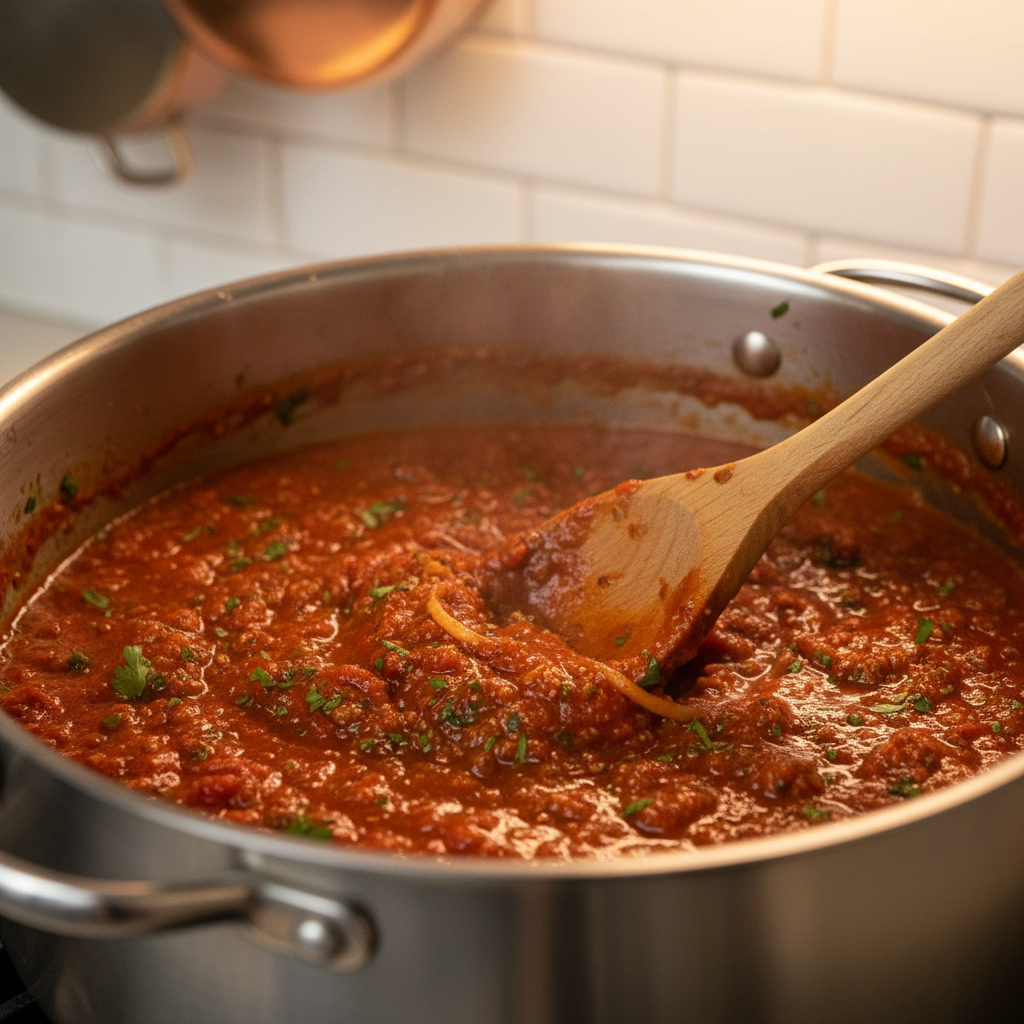
Key takeaway: upgrades work best when they support one goal, richer, meatier, or brighter. If you chase all three, the sauce often tastes confused.
Storage, freezing, and food-safety notes
Homemade sauce is meal-prep friendly, but handle cooling and storage with common sense. According to USDA Food Safety and Inspection Service, perishable foods should not sit at room temperature for more than 2 hours, and that includes big pots of sauce that stay warm in the center.
- Fridge: store in an airtight container, many households use 3–4 days as a practical window.
- Freezer: portion into containers or freezer bags, leave headspace for expansion, label with date.
- Reheat: warm gently and stir, especially if the sauce is thick.
If you’re cooking for someone with dietary needs, sodium limits, or medical guidance, it may help to check with a qualified professional on ingredient choices.
Common mistakes to avoid (the ones that waste your time)
- Burning the garlic: it turns bitter fast, and bitterness spreads through the pot.
- Adding sugar by default: sometimes you need it, often you just need more simmer time or fat.
- Using dried herbs like fresh: dried herbs need time in the simmer, fresh basil often shines at the end.
- Over-reducing: too thick can taste heavy, loosen with a little pasta water right before serving.
- Fixing with salt too early: reduction concentrates salt, so season in steps.
Conclusion: a sauce you can repeat, then make your own
If you want spaghetti night to feel reliable, treat this as your “house” spaghetti sauce homemade recipe, make it once as written, then change one variable at a time. Start with the onion-garlic-tomato paste base, simmer uncovered until the texture looks right, then adjust acidity with small, deliberate moves.
Your next step is simple, cook one batch, freeze two portions, and keep notes on the tomato brand and simmer time. That’s usually what turns a random sauce into your sauce.
FAQ
How do I thicken homemade spaghetti sauce fast?
Simmer uncovered and raise heat just enough to keep a steady bubble, then stir more often. If you’re truly rushed, a spoonful of tomato paste can add body, but it also intensifies flavor, so taste before adding more salt.
Why does my sauce taste too acidic even after simmering?
Some canned tomatoes run sharper, and simmering helps but may not fully balance it. Try a touch more olive oil or a small knob of butter first, then consider a tiny pinch of sugar only if it still tastes harsh.
Can I use fresh tomatoes instead of canned?
You can, but it’s more variable. Fresh tomatoes often need peeling, seeding, and longer reduction to avoid a watery result, so many cooks use canned for consistency and use fresh when tomatoes are in season.
What herbs are best for spaghetti sauce homemade?
Oregano and basil cover the classic profile. Dried oregano holds up well in a simmer, while fresh basil tends to taste cleaner when stirred in near the end.
Should I add pasta water to the sauce?
Often yes, but late in the process. A small splash of starchy pasta water helps sauce cling to noodles, but adding too much early can make it thin and slow thickening.
How long can I freeze homemade spaghetti sauce?
Many home cooks find quality stays good for a few months when sealed well and kept consistently frozen. If it picks up freezer odors or shows heavy ice crystals, it may be time to refresh your storage method.
Is it okay to cook spaghetti sauce in cast iron?
Tomatoes are acidic and can react with uncoated cast iron, affecting flavor and seasoning. Enameled cast iron is usually fine, stainless steel is a safe default.
If you’re making a bigger batch for meal prep or want a version tailored to meatballs, lasagna, or low-sodium cooking, it can help to start with a base like this and build a small “variation plan” so you’re not improvising mid-simmer.