
Whipped cream homemade is one of those recipes that looks effortless, right up until it stays soupy, turns grainy, or collapses the moment it hits warm pie.
The good news, you really can get a fluffy, lightly sweet topping with just two ingredients, and no weird additives. What usually trips people up is temperature, timing, and using the wrong “cream” from the dairy case.
This guide covers the simple 2-ingredient recipe, how to tell soft vs stiff peaks, plus real-world fixes for common failures so you can stop guessing and start topping desserts with confidence.
What you need (2 ingredients, plus optional add-ins)
The base is simple, but choosing the right cream matters more than people expect.
- Heavy whipping cream (cold): usually 36% milk fat in the U.S. This is the one that whips reliably.
- Powdered sugar (confectioners’ sugar): sweetens and helps stabilize because it typically contains a small amount of cornstarch.
If you want flavor, treat it as optional. A splash of vanilla extract is common, but it makes the recipe “more than two ingredients,” so think of it as a bonus.
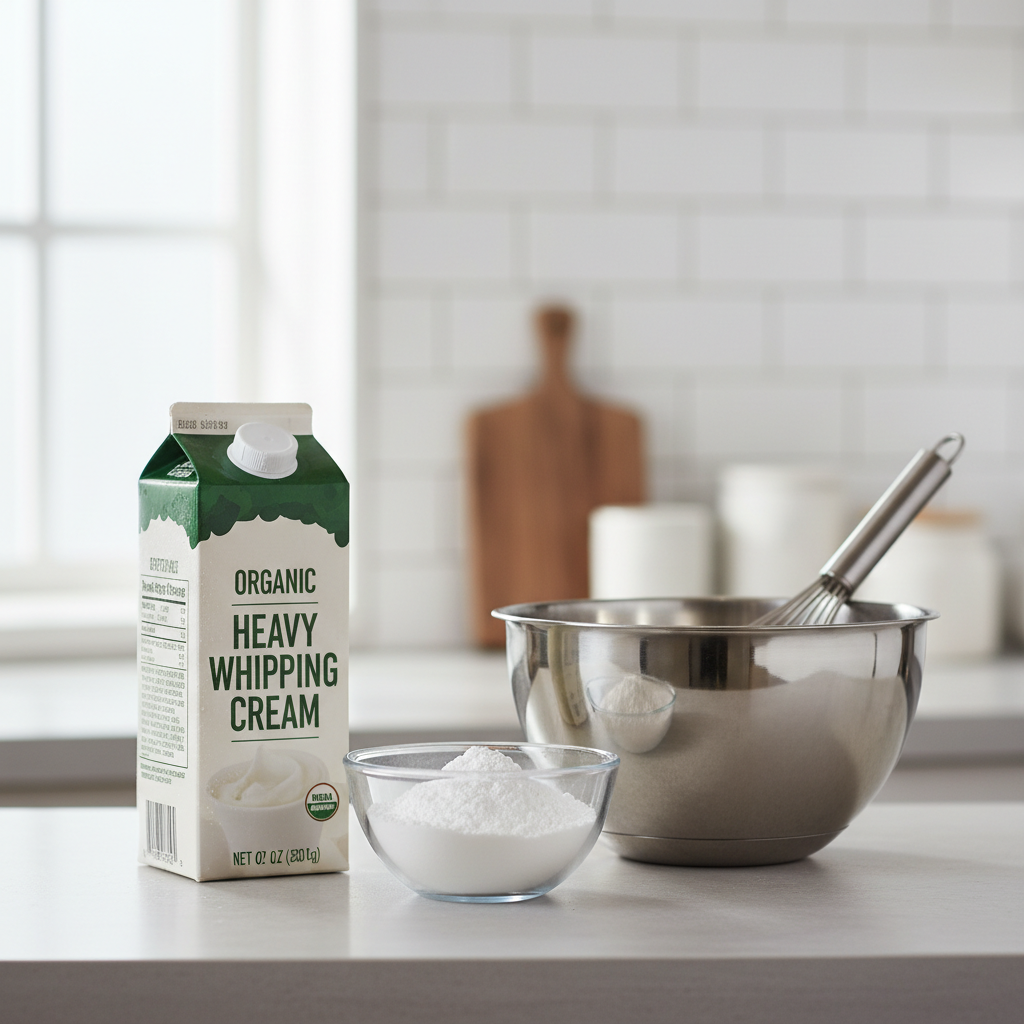
Quick label check: “Heavy cream” or “heavy whipping cream” is what you want. “Whipping cream” can work too, but it may whip a bit less stable depending on fat percentage.
2-ingredient whipped cream homemade recipe (with exact ratios)
For most home baking, this batch size is the sweet spot: enough for a pie or a tray of strawberries, not so much you waste it.
Ingredients
- 1 cup (240 ml) cold heavy whipping cream
- 2 to 3 tablespoons powdered sugar (adjust to taste)
Steps
- Chill your bowl and beaters for 10–15 minutes (freezer is fastest).
- Pour cold cream into the cold bowl, start mixing on medium speed.
- When it looks foamy and begins to thicken, add powdered sugar gradually.
- Increase to medium-high and whip to soft peaks (for spooning) or stiff peaks (for piping).
- Stop as soon as you hit your peak stage, overwhipping is where trouble starts.
According to USDA FoodData Central, “heavy cream” is a high-fat dairy product, which is exactly why it whips into a stable foam when cold and agitated.
Peak stages: how to know when to stop (so it stays fluffy)
If your whipped cream homemade turns grainy, the cause is often “30 seconds too far.” Here’s the visual guide people actually use at the bowl.
| Stage | What it looks like | Best for | Risk if you keep going |
|---|---|---|---|
| Foamy | Lots of bubbles, no structure | Not ready | None yet |
| Soft peaks | Peaks form, then gently flop over | Fruit, hot drinks, loose topping | Can become stiff quickly |
| Medium peaks | Holds shape, tip slightly bends | Most desserts, shortcake | Closer to overwhipping |
| Stiff peaks | Stands straight, defined ridges | Piping, frosting-like uses | Grainy, then butter |
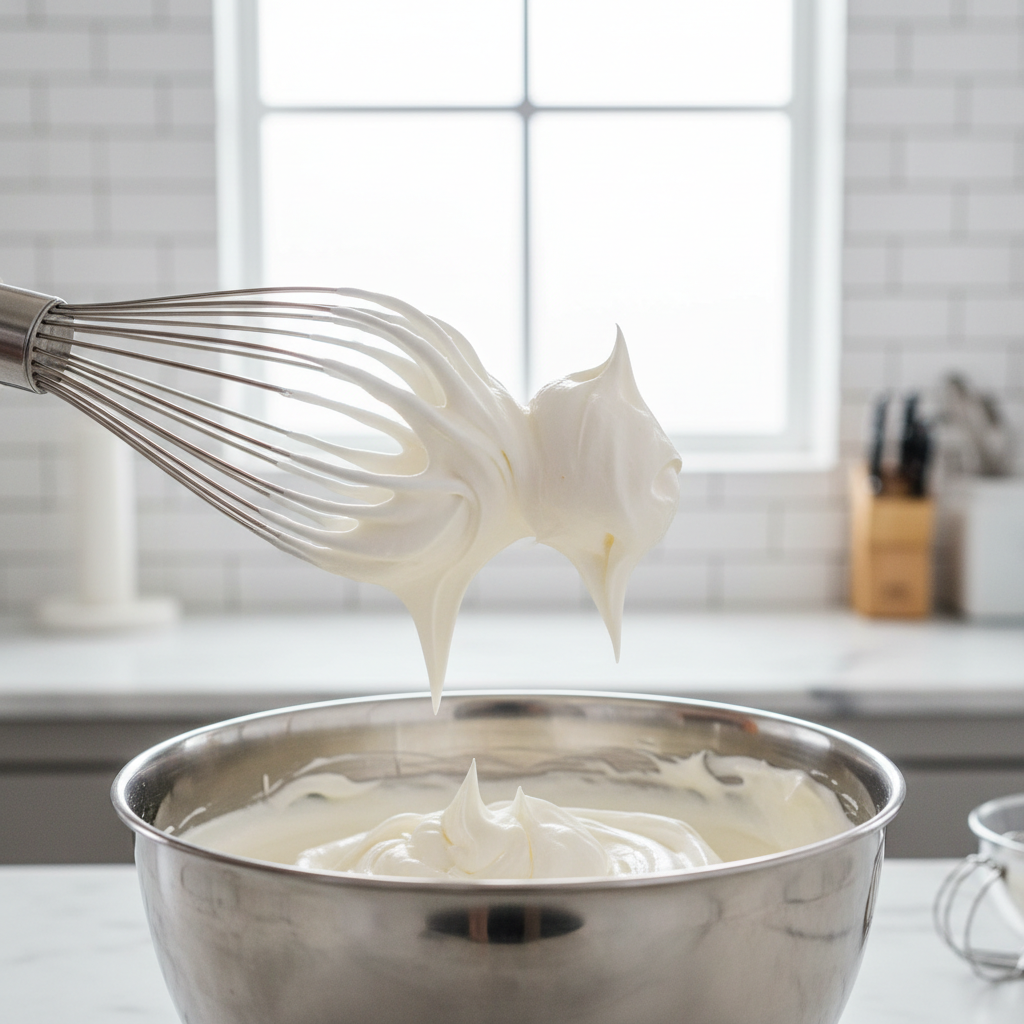
Practical tip: Stop the mixer, lift the whisk, and look. If you only check while the mixer runs, it’s easy to overshoot.
Why whipped cream sometimes won’t whip (real-life causes)
When whipped cream homemade fails, it’s usually not your technique, it’s the setup. These are the most common culprits.
- Cream isn’t cold enough: warm cream struggles to trap air, and it can stay thin forever.
- Wrong product: half-and-half, “light cream,” and most non-dairy coffee creamers won’t whip into peaks.
- Greasy bowl or beaters: even a thin film of oil can interfere with foam structure.
- Added sugar too early (sometimes): dumping in sugar at the start can slow whipping; adding after it foams often works smoother.
- Overwhipping: it goes from fluffy to grainy fast, especially at high speed.
Also, if you’re in a hot kitchen, the bowl warms up fast. That’s not a moral failing, it’s just physics, and chilling the tools helps more than people think.
A quick self-check checklist (before you start over)
If your bowl looks like “thin soup,” pause and run this quick check. Most fixes take less than five minutes.
- Is the carton labeled heavy cream or heavy whipping cream?
- Was the cream in the coldest part of the fridge, not the door?
- Are the bowl and beaters cold to the touch?
- Any chance the bowl had oil residue (even from “clean” silicone tools)?
- Did you whip long enough on medium-high (not just 30 seconds on low)?
- Is your kitchen warm or humid today?
If you answered “no” to any of these, adjust that one thing first. Switching five variables at once makes it harder to learn what actually fixed it.
Fixes and upgrades: make it stable for pies, piping, and make-ahead
Sometimes you want whipped cream homemade to hold up for hours, not minutes. Here are the most common scenarios and what tends to work.
If it won’t thicken
- Put the bowl and beaters in the freezer for 10 minutes, and chill the cream again.
- Try whipping over an ice bath (a larger bowl with ice and a little water).
- Increase speed after it turns foamy, many mixers need medium-high for structure.
If it looks grainy
- Stop immediately. You’re close to butter.
- Try adding 1–2 tablespoons cold cream and gently whisking by hand to smooth it out. This sometimes rescues the texture, but not always.
If you need it to hold shape longer
- Use powdered sugar (already in the base recipe) rather than granulated sugar.
- Make it closer to stiff peaks for piping, but stop before it gets dry.
- If you’re okay adding a third ingredient, a small amount of mascarpone or cream cheese can increase stability for some desserts.
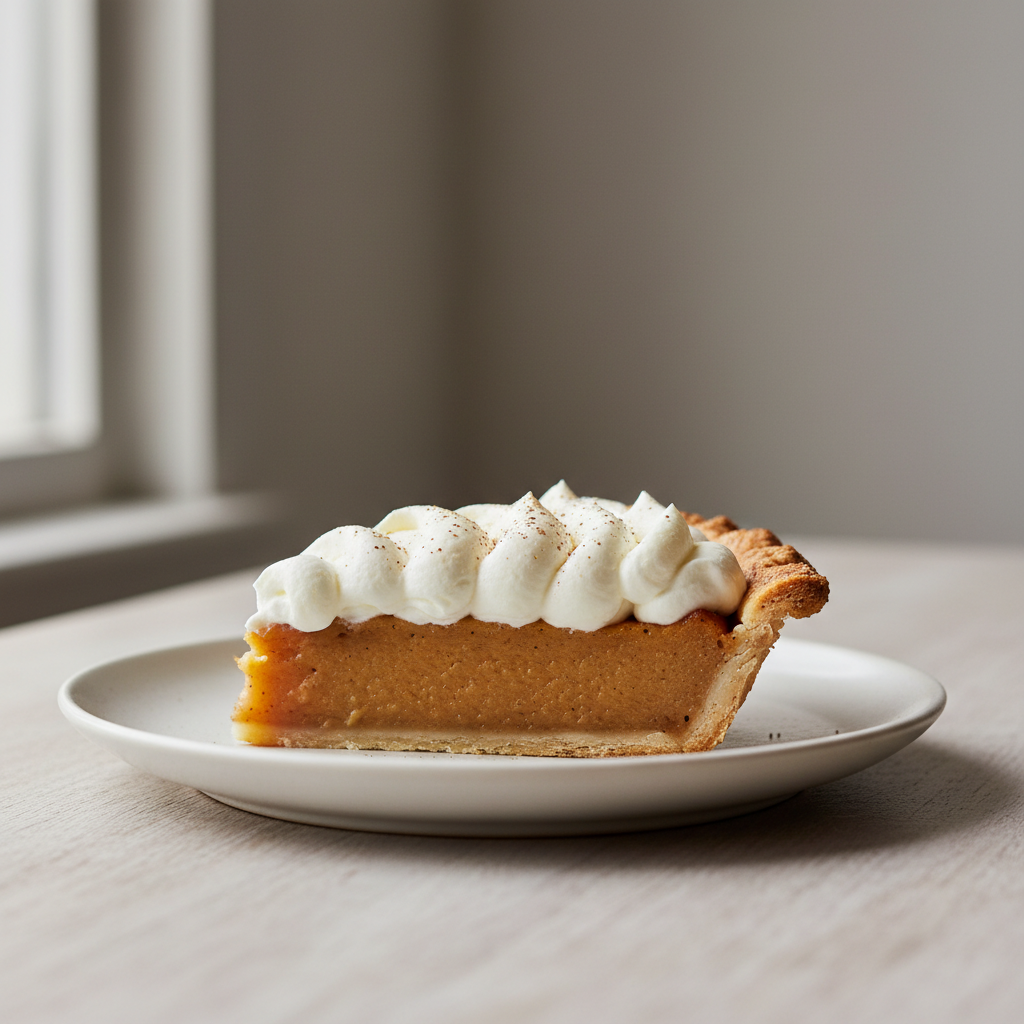
Make-ahead reality: even well-made whipped cream tends to relax over time. For events, many people whip it a few hours ahead, refrigerate, and give it a brief re-whip right before serving.
Storage, food safety, and serving tips
Whipped cream is dairy, so treat it like dairy. If you’re serving it outside on a warm day, plan for it to soften.
- Storage: keep in an airtight container in the fridge. If it separates a bit, a gentle whisk can bring it back.
- Food safety: avoid leaving it at room temperature for extended periods. When in doubt, follow general dairy safety guidance, and if you’re serving high-risk guests, consider more cautious handling.
- Serving: dollop on cold desserts last-minute; warm pies melt it faster, so serve on the side if you want nicer texture.
According to FDA guidance on refrigerated foods, perishable dairy items should be kept properly chilled to reduce food safety risk.
Key takeaways (so you remember the important parts)
- Cold cream + cold tools do most of the work.
- Powdered sugar sweetens and adds a bit of stability, which is why this 2-ingredient version is popular.
- Watch the peak stage, because overwhipping happens fast.
- If it won’t whip, fix temperature and product choice before changing everything else.
Conclusion: the 2-ingredient method that actually works
Whipped cream homemade is simple when you treat it like a temperature-sensitive recipe, not a “just whip it” side task. Keep the cream cold, add powdered sugar once it foams, and stop at the peak stage you actually need for your dessert.
If you want one action to take right now, chill your bowl and beaters before you do anything else, then start with heavy whipping cream, not a substitute. That single choice solves a surprising amount of frustration.
FAQ
Can I make whipped cream homemade with granulated sugar instead of powdered sugar?
You can, and it will whip, but the texture can feel slightly less smooth, and it may weep sooner. If you only have granulated sugar, add it gradually after the cream starts thickening so it dissolves better.
Why is my whipped cream not thickening even after several minutes?
Most often the cream or tools are too warm, or the product isn’t heavy cream. Chill everything and confirm the label, then try again on medium-high speed.
How long does homemade whipped cream last in the fridge?
It often holds reasonably well for a day, but it can slowly deflate or release liquid. For the best look, make it the same day, or plan a quick re-whip before serving.
Can I overwhip whipped cream, and what happens?
Yes, and it usually turns grainy, then separates into butter and liquid. If you catch it early (just grainy), adding a splash of cold cream and folding gently may help, but it’s not guaranteed.
Is whipped cream homemade safe for kids and pregnant people?
Typically yes when made with pasteurized cream and handled safely, but if you’re serving someone with higher risk, it’s smart to be extra careful about refrigeration and time at room temperature. When unsure, consider asking a healthcare professional.
Can I pipe this recipe for cupcakes?
Yes, whip to stiff peaks and keep the cupcakes chilled. If they’ll sit out for a while, consider a stabilizer add-in (beyond the 2 ingredients) or serve the topping right before eating.
What’s the best way to sweeten whipped cream without making it gritty?
Powdered sugar is the easiest path to smooth texture. If using granulated sugar, use a finer sugar and give it enough time to dissolve while whipping.
If you’re making desserts for a party and you want a more “set and forget” result, it can help to choose a stability level on purpose, soft peaks for casual spooning, stiff peaks for piping, and a small optional stabilizer when the whipped topping must hold up longer.