
how to cook cauliflower rice low carb usually comes down to one unglamorous detail, controlling water so you get fluffy “rice” instead of a soggy vegetable mash.
If you are eating low carb for blood sugar, weight goals, or just because you like lighter meals, cauliflower rice is a workhorse, but it can also be frustrating, you do everything “right” and it still turns wet, bland, or weirdly sulfur-smelling.
This guide focuses on the parts that actually move the needle, picking the right cauliflower rice, drying it properly, choosing a cooking method that fits your meal, and keeping carbs low without accidentally adding sugar or starchy thickeners. You will also get a quick troubleshooting checklist and a small comparison table so you can choose a method fast.
What “low carb” cauliflower rice really means in the kitchen
Cauliflower is naturally low in digestible carbs, so most of the “low carb” work is not about removing carbs, it is about avoiding add-ons that quietly raise them. Sauces, marinades, and even some packaged cauliflower rice mixes can add sugar, starches, or high-carb vegetables.
According to the USDA FoodData Central, raw cauliflower is a non-starchy vegetable with relatively low carbohydrate content compared with grains. Exact numbers vary by brand and serving size, so if you track macros closely, check the label or weigh your portion.
- Low carb win: plain cauliflower rice, cooked in fat and seasoned simply.
- Common carb creep: teriyaki-style sauces, sweet chili sauce, breaded proteins mixed in, cornstarch-thickened sauces.
- Hidden issue: “cauli rice” blends that include peas, carrots, or corn for color.
Why cauliflower rice turns soggy (and how to stop it)
Sogginess is almost always water management. Cauliflower holds a lot of moisture, and store-bought riced cauliflower can carry even more surface water from washing and packaging.
- Too much moisture going in: frozen rice not drained, fresh rice not dried, or you cover the pan and trap steam.
- Heat too low: low heat steams instead of evaporating moisture.
- Pan overcrowding: a piled-up pan traps water, so it simmers.
- Overcooking: cauliflower breaks down and releases more water, then texture turns soft.
Say it out loud when you cook: you are trying to evaporate water quickly, then stop cooking. That mindset fixes most results.
Quick self-check: which cauliflower rice situation are you in?
Before you cook, identify what you have, because the best technique changes a bit.
- Fresh whole cauliflower: best texture potential, more prep time.
- Fresh pre-riced (refrigerated bag): convenient, often wetter, needs drying.
- Frozen cauliflower rice: cheapest per serving, highest water, needs special handling.
Also decide the end use. If you want “rice under a saucy stir-fry,” slightly drier is non-negotiable. If it is going into a casserole, a little softness is less of a problem.
Best cooking methods to keep cauliflower rice low carb (with a comparison table)
All methods can work, but for most weeknights, a hot skillet wins because it drives off moisture fast and gives light browning. Microwaving is fine for speed, but you have to drain well.
Method comparison
| Method | Best for | Texture | Key trick | Typical time |
|---|---|---|---|---|
| Skillet sauté | Stir-fries, bowls, as a rice swap | Fluffy, lightly browned | High heat, no lid, don’t crowd | 6–10 min |
| Oven roast | Meal prep, drier “pilaf” style | Drier, slightly chewy | Spread thin on a sheet pan | 15–25 min |
| Microwave + drain | Fast side dish | Soft, can be wet | Cook, then squeeze out liquid | 5–8 min |
| Steam | Very mild flavor, tender texture | Softest | Use for casseroles, not stir-fry | 5–7 min |
Step-by-step: how to cook cauliflower rice low carb (skillet method)
This is the method that most reliably tastes like “real food,” not steamed cauliflower, and it keeps your carb count predictable because you control every ingredient.
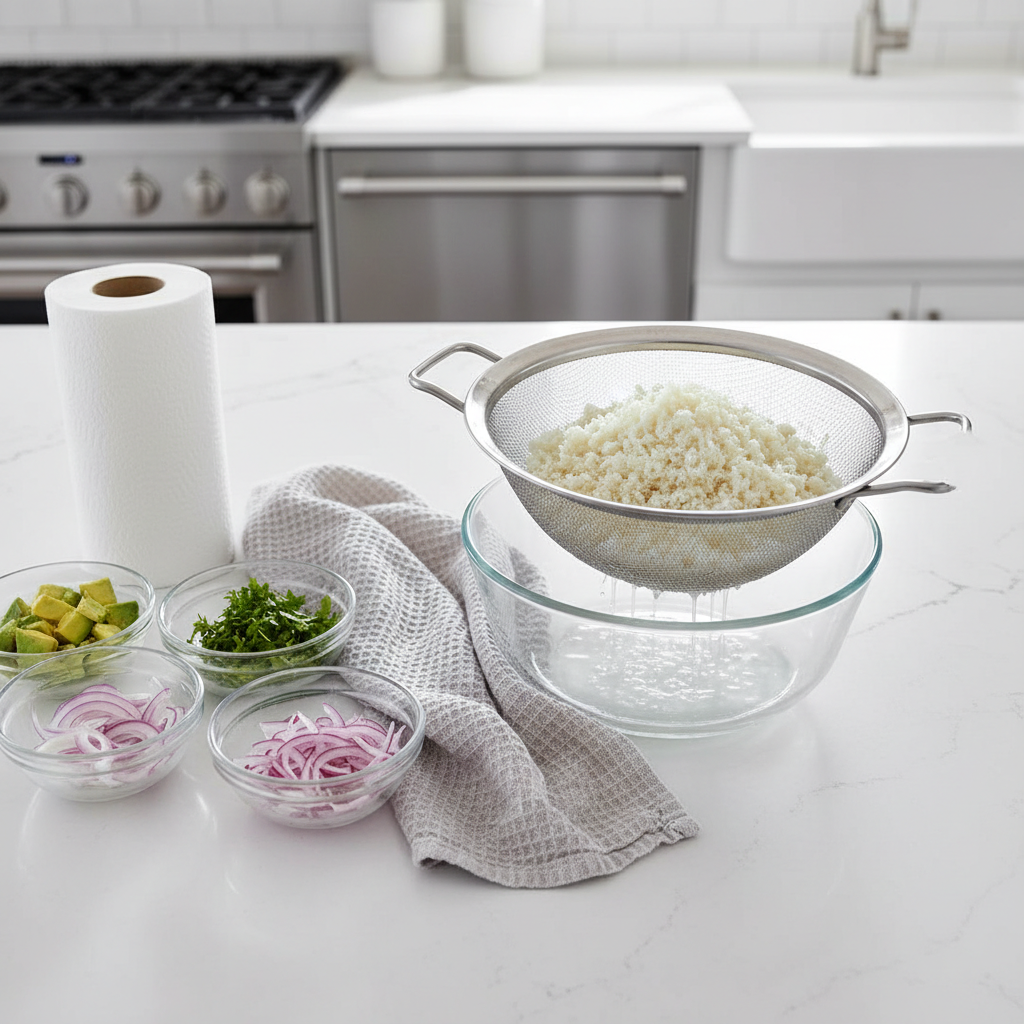
1) Dry it like you mean it
- Fresh pre-riced: spread on paper towels for a few minutes, then gently press to absorb water.
- Frozen: microwave 2–3 minutes just to thaw, then pour into a clean towel and squeeze over the sink until it stops dripping.
- From a whole head: after ricing, pat with towels, do not rinse unless it is visibly dirty.
2) Heat the pan, then add fat
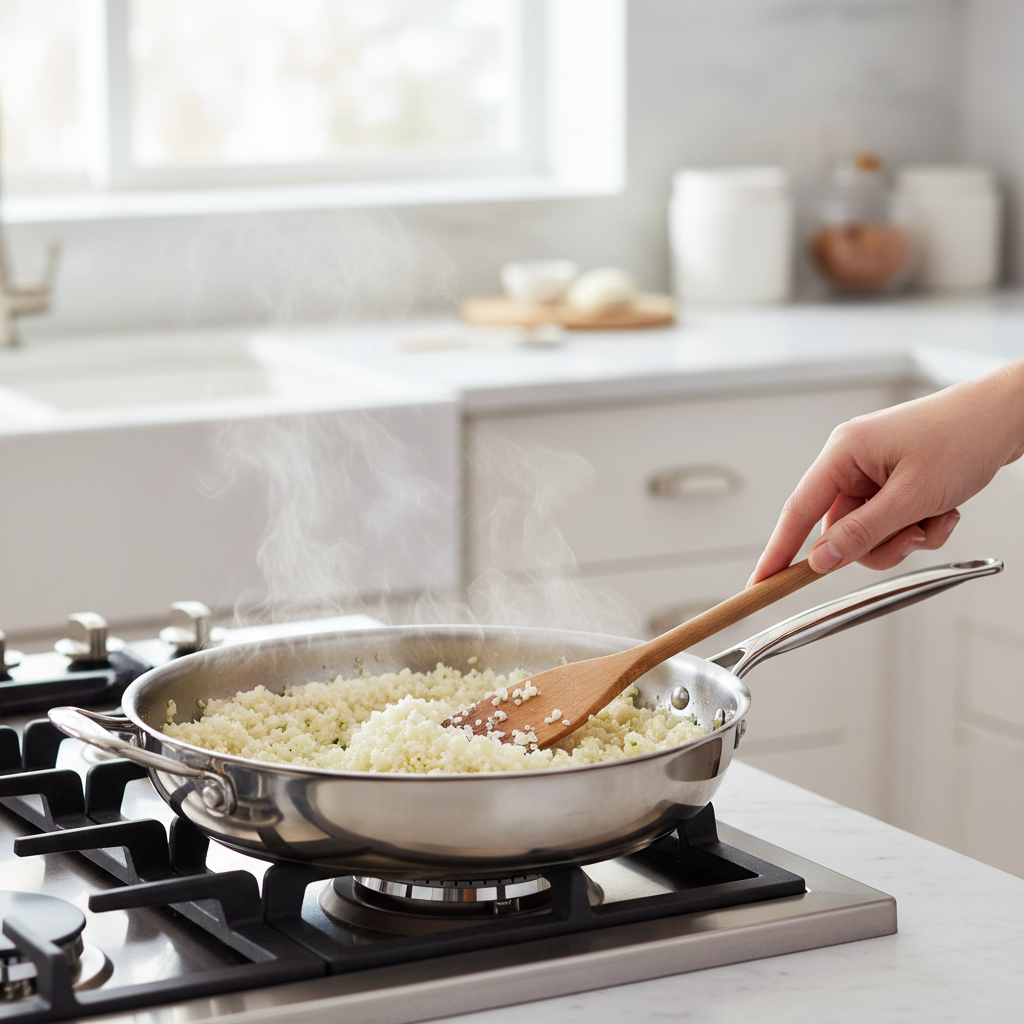
Use a wide skillet, medium-high to high heat. Add oil or butter only after the pan feels hot, this helps reduce steaming. Olive oil, avocado oil, ghee, and butter all work, choose based on flavor and heat tolerance.
3) Cook uncovered and keep it moving
- Add cauliflower rice in a thin layer, if it piles up, cook in batches.
- Stir every 30–60 seconds so water evaporates and bits lightly brown.
- Stop when it looks dry and fluffy, usually 6–8 minutes for fresh, 8–10 for previously frozen.
4) Season at the end for better texture
Salt pulls out moisture, so adding it too early can make the pan wetter. Season near the end with salt, pepper, garlic powder, and a squeeze of lemon. If you want “rice” vibes, a small pinch of onion powder often helps.
Low-carb flavor upgrades (without turning it into a sauce bomb)
People often try to fix bland cauliflower rice with sugary sauces, then wonder why their “healthy” meal feels heavy. You can keep it low carb and still make it craveable.
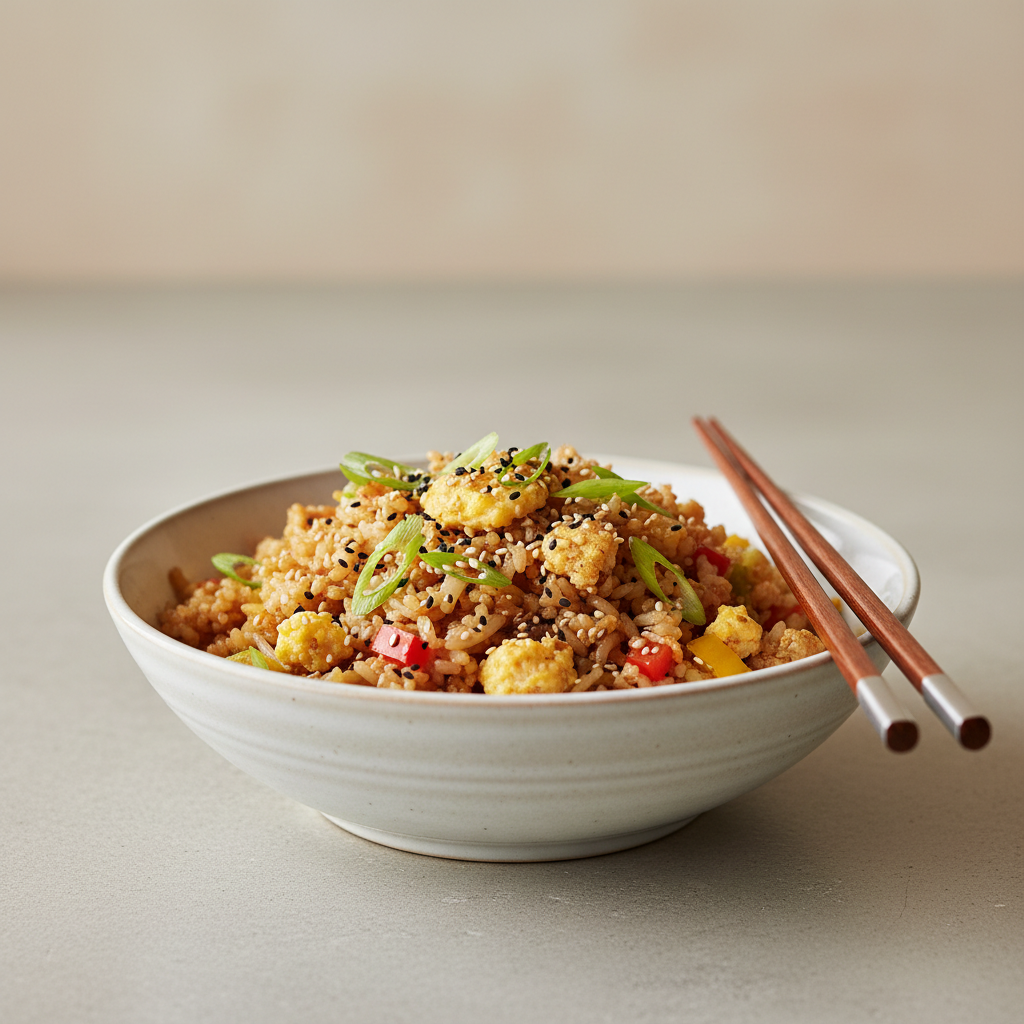
- Fried-rice style: sesame oil, scallions, scrambled egg, tamari or coconut aminos, plus diced chicken or shrimp.
- Cilantro-lime: lime zest, lime juice, chopped cilantro, salt at the end.
- Garlic-parmesan: sautéed garlic, butter, parmesan, black pepper.
- Mediterranean: oregano, lemon, olive oil, chopped olives, feta if it fits your plan.
If you track carbs tightly, read labels on “keto” sauces anyway. Many are fine, some are not, and serving sizes can be optimistic.
Meal prep, storage, and reheating without turning it watery
Cauliflower rice behaves differently on day two. It tends to release more water in the fridge, so how you store it matters.
- Cool fast: spread on a plate or sheet pan for a few minutes before packing.
- Use a paper towel buffer: line the container with a paper towel to absorb moisture, replace if it gets damp.
- Reheat in a skillet: medium-high heat, uncovered, 3–5 minutes, so steam escapes.
- Avoid microwaving in a sealed container: trapped steam makes it soft.
Food safety varies by situation, but many home cooks follow standard guidance of refrigerating cooked foods promptly and using them within a few days. According to USDA Food Safety and Inspection Service, perishable foods should not sit out at room temperature for more than 2 hours, and less if it is hot out.
Common mistakes and how to troubleshoot fast
- It’s watery: you likely needed more heat or a wider pan, next time squeeze frozen rice harder and cook uncovered.
- It tastes “too cauliflower”: try browning a bit more, add acid at the end, and don’t overcook.
- It’s mushy: cooking time ran long, pull it earlier and let carryover heat finish the job.
- It’s bland: use enough salt at the end, and add one “signature” element like toasted sesame oil or parmesan.
- It sticks: pan not hot enough before adding fat and rice, or you used too little oil for the pan size.
Key takeaways (so you remember this next time)
- Dry first, cook hot, never cover the pan if you want fluffy texture.
- Skillet sauté is the most reliable for weeknights and low-carb bowls.
- Season near the end to avoid pulling extra water into the pan.
- Watch sauces and blends so “low carb” stays low carb.
Conclusion: a simple plan for consistently fluffy cauliflower rice
If you want cauliflower rice that feels like a real swap, treat moisture as the main enemy and keep the recipe simple. Dry it well, use a wide hot pan, cook uncovered, then season at the end. Once that is solid, you can riff with fried-rice flavors, cilantro-lime, or garlic-parmesan without drifting away from your low-carb goals.
If you are adjusting your diet for medical reasons or managing blood sugar, it may help to check with a registered dietitian or your clinician, especially if you are changing carb intake significantly.