
How to make honey mustard sauce easy usually comes down to one thing, getting the sweet-tangy balance right without overthinking it.
If you have ever opened a bottle and thought it tastes flat, too sugary, or weirdly sharp, you are not alone, honey mustard is one of those sauces where tiny tweaks make a big difference. The good news is you can dial it in at home fast, and you control the ingredients.
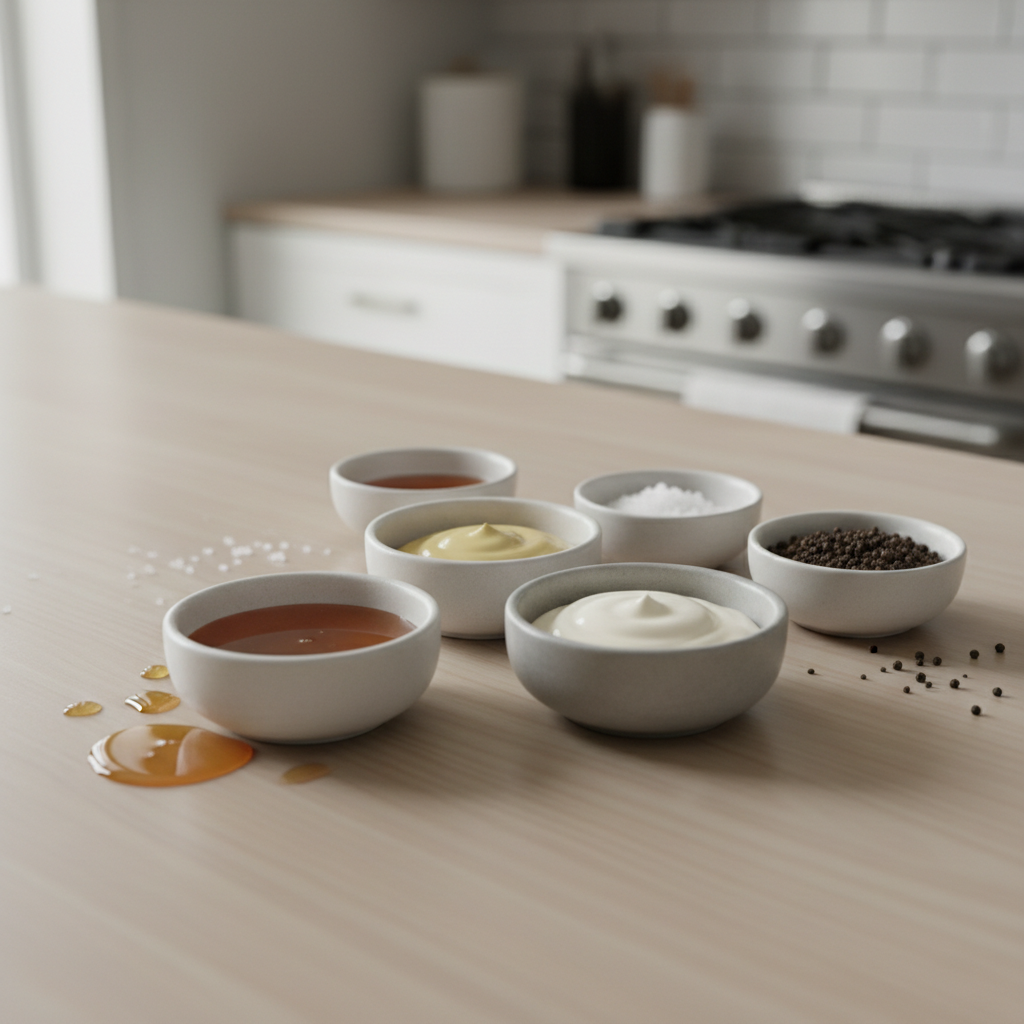
In this guide, you will get a reliable base recipe, a quick way to choose your mustard and sweetener, and fixes for the most common problems. I will also include a small ratio table so you can scale for meal prep or a party tray without guessing.
What “easy” honey mustard actually means
Easy does not mean dumping random amounts into a bowl and hoping for the best. It means a short ingredient list, predictable ratios, and a method that stays consistent whether you want a dip, a salad dressing, or a sandwich spread.
- Fast: 5 minutes, one bowl, no cooking.
- Flexible: swap yogurt for mayo, swap lemon for vinegar, and it still works.
- Stable flavor: tastes good right away, and even better after a short rest.
According to USDA FoodData Central, honey and prepared mustard can vary in sweetness and acidity depending on brand and style, so a “universal” recipe often needs a small adjustment at the end.
The base recipe (5 minutes, no blender)
This version hits the classic American honey mustard flavor, creamy, tangy, lightly sweet, and not overly spicy. If you want to learn how to make honey mustard sauce easy and repeatable, start here, then adjust.
Ingredients
- 1/4 cup mayonnaise
- 2 tbsp Dijon mustard
- 1 1/2 tbsp honey
- 1 tsp apple cider vinegar (or lemon juice)
- 1/8 tsp kosher salt, plus more to taste
- Black pepper, 2 to 3 grinds
Method
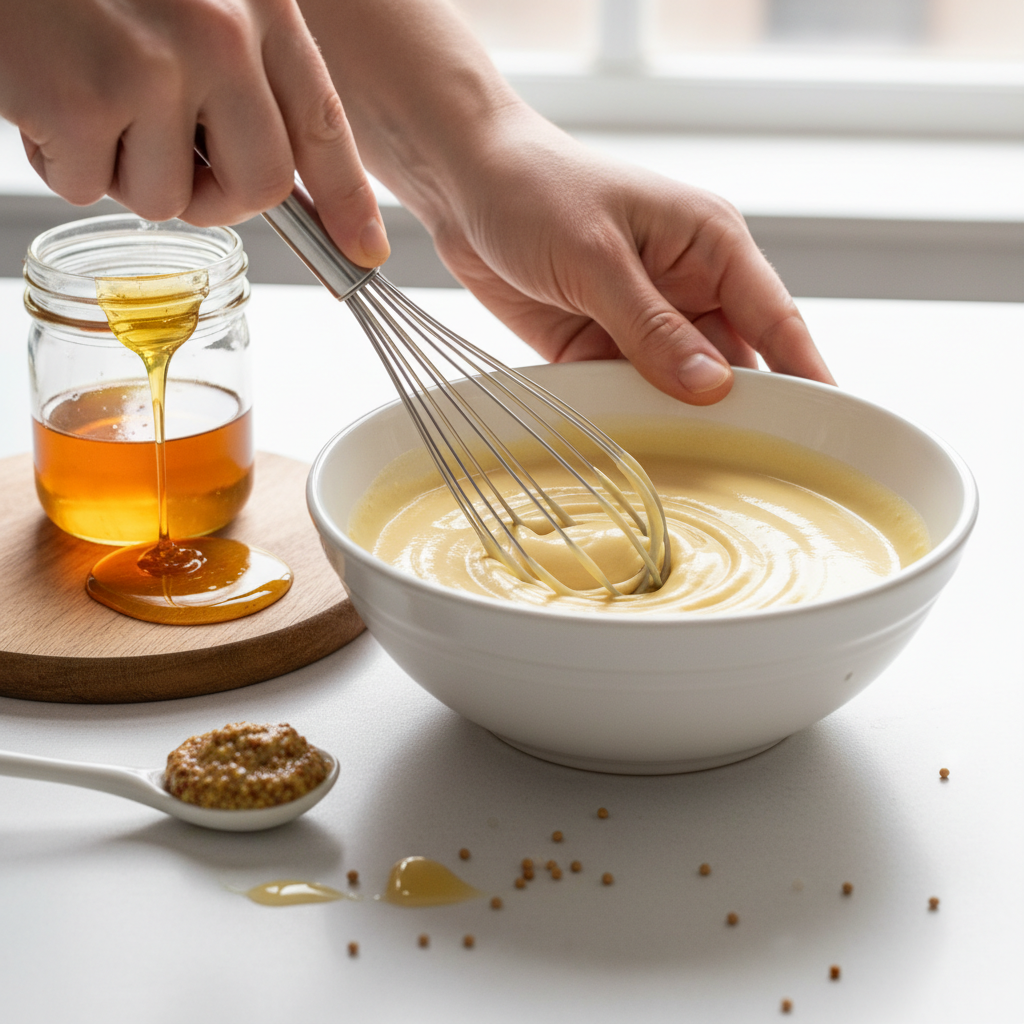
- Whisk mayo, Dijon, and honey until smooth.
- Whisk in vinegar, salt, and pepper.
- Taste, then adjust using the “tweak rules” below.
- Rest 10 minutes in the fridge if you have time, it usually tastes more rounded.
Key point: Vinegar is optional, but a small amount often makes the sauce taste less heavy, especially if you plan to use it as a dip.
Choose your mustard and honey (this changes everything)
People get wildly different results from “the same recipe” because mustard styles are not interchangeable. The honey matters too, mostly in intensity.
Mustard options and what to expect
- Dijon: smoother, sharper, the most “restaurant” vibe.
- Yellow mustard: more mellow, a little nostalgic, usually needs slightly less honey.
- Spicy brown: deeper flavor, can read more peppery, great for sandwiches.
- Whole grain: textured, feels fancier, best as a spread, not everyone wants it as a nugget dip.
If your goal is how to make honey mustard sauce easy for kids or picky eaters, start with Dijon plus a small spoon of yellow mustard, it softens the bite without turning it bland.
Honey options and what to expect
- Classic clover honey: mild, easiest to balance.
- Wildflower honey: more floral, can taste “bigger,” use a touch less at first.
- Hot honey: sweet heat, good for wings, go light so it does not overpower.
Small reality check: Some honeys crystallize, if yours is stiff, warm the jar in a bowl of warm water for a few minutes so it blends smoothly.
Quick ratio table: dip vs dressing vs spread
Once you understand the ratio, scaling becomes easy. Use this table as a starting point, then taste and nudge.
| Use | Mustard | Honey | Creamy base (mayo/yogurt) | Acid (vinegar/lemon) |
|---|---|---|---|---|
| Dip (nuggets, fries) | 2 tbsp | 1 1/2 tbsp | 1/4 cup mayo | 1 tsp |
| Salad dressing | 2 tbsp | 1 tbsp | 2 tbsp mayo + 2 tbsp olive oil | 2 tsp |
| Sandwich spread | 1 1/2 tbsp | 1 tbsp | 1/4 cup mayo | 1/2 tsp |
| Light version | 2 tbsp | 1 1/2 tbsp | 1/4 cup Greek yogurt | 1 tsp |
Key takeaway: More acid and a little oil pushes it toward dressing, more mayo pushes it toward dip, and less liquid makes it feel like a spread.
Self-check: what you want the sauce to do
Before you tweak ingredients, decide what “good” means for your meal. This is where most home versions get stuck.
- Clings to food? Use more mayo or yogurt, less vinegar.
- Pours easily? Add a teaspoon of water or extra vinegar, whisk again.
- Tastes brighter? Add acid in tiny amounts, 1/4 tsp at a time.
- Tastes less sweet? Add mustard, not salt.
- Tastes less sharp? Add a touch more honey or creamy base, not more vinegar.
This checklist is also the fastest path if you are learning how to make honey mustard sauce easy without measuring every time.
Fixes for common problems (the part everyone needs)
Honey mustard is forgiving, but it can swing too far in one direction. Use these simple fixes, and avoid “chasing” the flavor with big additions.
If it tastes too sweet
- Add 1/2 tsp mustard at a time.
- Add a pinch of salt, then re-taste, salt often restores balance.
- Add 1/4 tsp vinegar or lemon if it tastes sweet and heavy.
If it tastes too tangy or sharp
- Add 1 tsp mayo or yogurt to soften the bite.
- Add 1/2 tsp honey, then stop and taste again.
If it tastes “flat”
- Add a pinch of salt and a few grinds of pepper.
- Try a tiny pinch of garlic powder or smoked paprika.
- Rest 10 to 20 minutes, the mustard flavor often mellows into the base.
If it is too thick or too thin
- Too thick: whisk in water 1 tsp at a time, or a bit more vinegar.
- Too thin: add 1 tsp mayo, or chill 15 minutes to let it set up.
Practical serving ideas (so it does not live in the fridge)
Once you can make it quickly, you will find excuses to use it. A few ideas that usually work in real life weeknights:
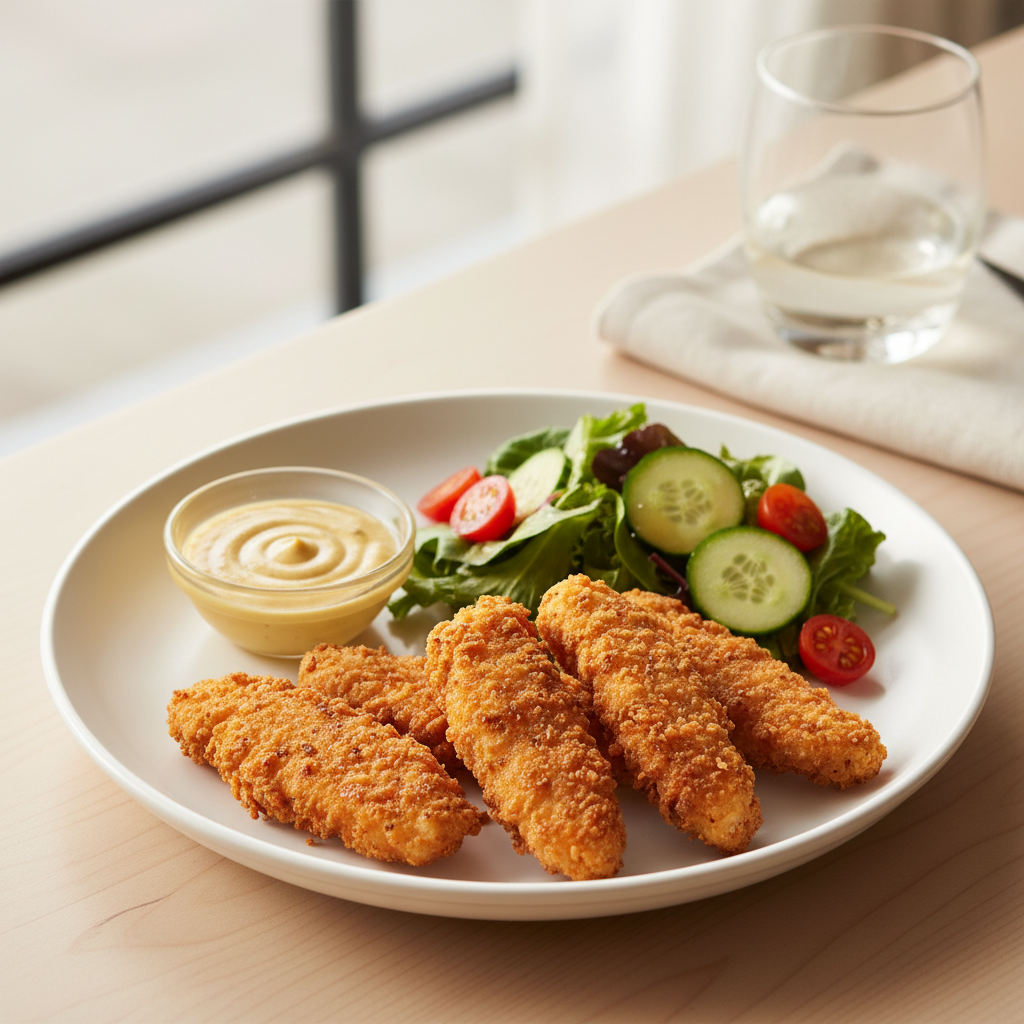
- Chicken tenders, nuggets, or air-fryer wings
- Turkey sandwich with pickles and sharp cheddar
- Roasted Brussels sprouts or carrots, tossed with a spoon of sauce
- Salad dressing base, loosen with olive oil and extra lemon
- Wrap sauce with grilled chicken and crunchy lettuce
Tip: If you want the “fast food dip” vibe, keep it simple, mayo, mustard, honey, pinch of salt, and stop there.
Storage, food safety, and make-ahead notes
Homemade versions usually store well, but shelf life depends on the ingredients you use and how clean your tools are. According to USDA Food Safety and Inspection Service, perishable foods should not sit at room temperature longer than 2 hours, and less if your kitchen runs hot.
- Store in a clean, sealed container in the fridge.
- For most home kitchens, using it within 5 to 7 days is a reasonable target, but check ingredient dates and use your judgment if smell or texture changes.
- If you use Greek yogurt, the sauce may loosen as it sits, a quick whisk usually fixes it.
If you have dietary restrictions, allergies, or a medical condition that requires specific limits on sugar or sodium, it is smart to check with a qualified professional for personalized guidance.
Conclusion: your easiest path to a reliable honey mustard
When you want how to make honey mustard sauce easy without trial-and-error every time, stick to a simple ratio, taste once, then make tiny adjustments. Start with Dijon, honey, and a creamy base, add a little acid only if it needs lift, then let it rest for a few minutes.
Try the base recipe this week, then keep a note on your phone with your favorite tweak, more tang for salads, thicker for dipping, or lighter with yogurt, and you will have a go-to sauce that beats most store bottles for your preferences.