
Italian cuisine at home usually goes wrong for one simple reason: we try to “upgrade” it with too many ingredients, too much sauce, or the wrong shortcuts. The good news is that authentic-tasting Italian food is less about fancy gear and more about a few habits, a smart pantry, and knowing what to leave out.
If you cook for family, roommates, or just yourself after work, this matters because Italian dishes look easy until they taste flat, watery, or weirdly heavy. And then you start buying specialty items you never use again, which is its own kind of frustration.
This guide focuses on what reliably moves the needle in most American home kitchens: ingredient choices you can actually find, technique fixes that take minutes, and practical menus that feel Italian without turning dinner into a weekend project.
What “authentic” really means (and what it doesn’t)
“Authentic” gets used like a badge, but in real Italian cooking it often means: regional, seasonal, and pretty restrained. A Roman pasta won’t behave like a Sicilian one, and even within the same dish, families cook it differently.
What tends to be consistent is the priority on ingredient quality and balance. Think: good olive oil, properly salted pasta water, simple sauces cooked to the right texture, and cheese used with intention.
- Authentic usually is: fewer ingredients, clearer flavors, proper technique, timing.
- Authentic usually isn’t: drowning pasta in sauce, mixing every herb you own, adding cream “just because,” using pre-shredded cheese as the main flavor.
According to Accademia Italiana della Cucina, traditional Italian dishes are closely tied to regional identity and ingredient quality, which is a helpful lens when you’re deciding what matters most in your own kitchen.
The common reasons home Italian food tastes “off”
Most issues come from a few predictable spots. If you fix only one or two, your italian cuisine nights start tasting cleaner and more restaurant-like.
1) Pasta is cooked fine, but finished wrong
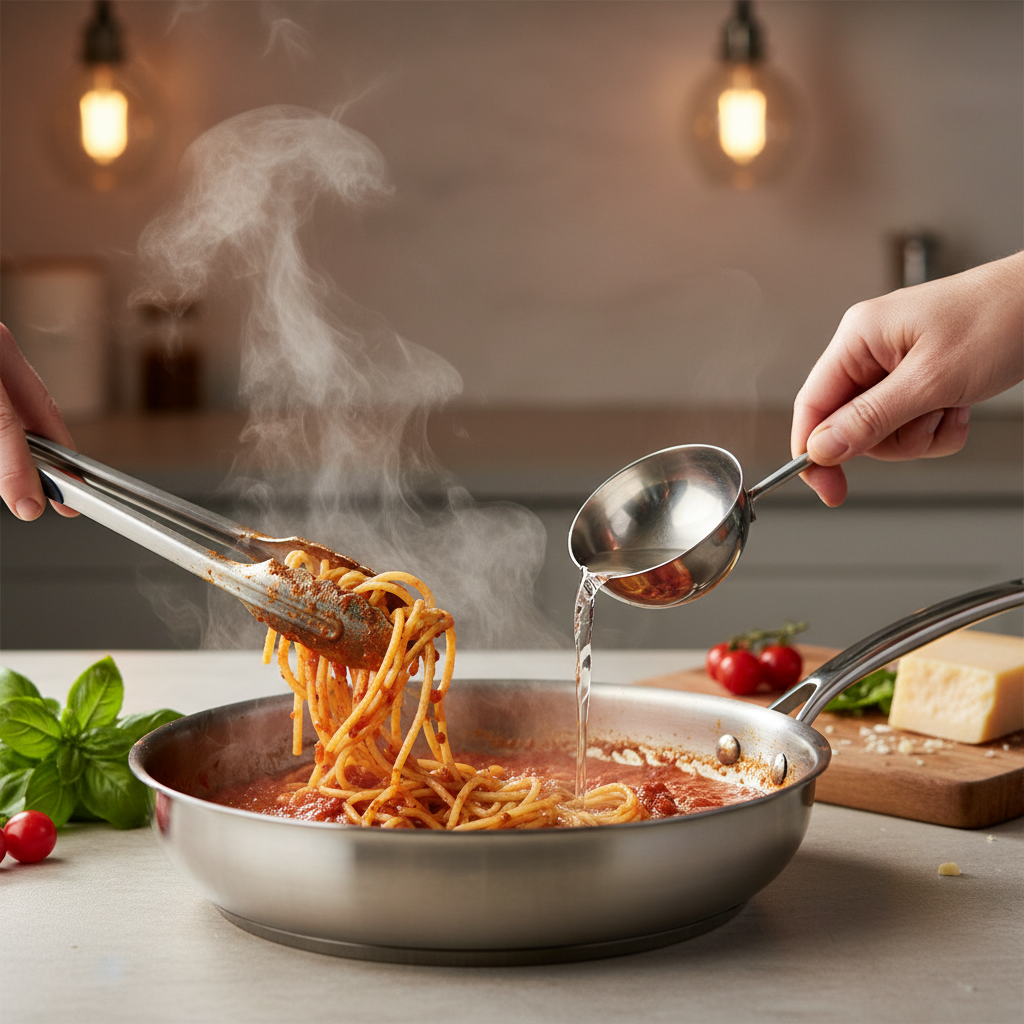
Boiling pasta and topping it with sauce is the fastest way to get noodles and sauce that never really become one dish. In many Italian homes, pasta finishes in the sauce with a splash of starchy water, which helps sauce cling.
2) Under-seasoning, especially with salt timing
Pasta water should taste pleasantly salty. If it’s bland, the pasta can’t carry the dish, and you end up over-salting the sauce to compensate.
3) Tomato sauce tastes sharp or flat
Sharp often means the sauce needs time, better tomatoes, or a touch of fat to round edges. Flat often means not enough salt, not enough reduction, or no aromatic base.
4) Cheese choice (and how it’s used) is mismatched
Parmigiano-Reggiano, Pecorino Romano, Grana Padano, and mozzarella aren’t interchangeable in every dish. A carbonara wants Pecorino’s bite, while a pesto pasta usually plays better with Parmigiano or a mix.
5) “Italian seasoning” does too much
Many dishes rely on one herb, used at the right moment. Basil often goes in at the end, oregano can handle simmering. Too many dried herbs can make the sauce taste muddy.
A quick self-check: what type of home cook are you right now?
Pick the closest match, then use the solutions in the next sections. This saves you from random recipe hopping.
- “My pasta tastes bland”: likely pasta water salting, sauce finishing, or cheese quality.
- “My red sauce tastes acidic”: likely tomato brand, cook time, or too much heat too soon.
- “It tastes heavy”: likely too much cream/butter, too much cheese, or sauce quantity.
- “I can’t get that restaurant texture”: likely reduction, emulsifying with pasta water, or heat control.
- “I don’t have time”: you need a better pantry and a 2–3 dish rotation.
Build an Italian pantry that actually gets used
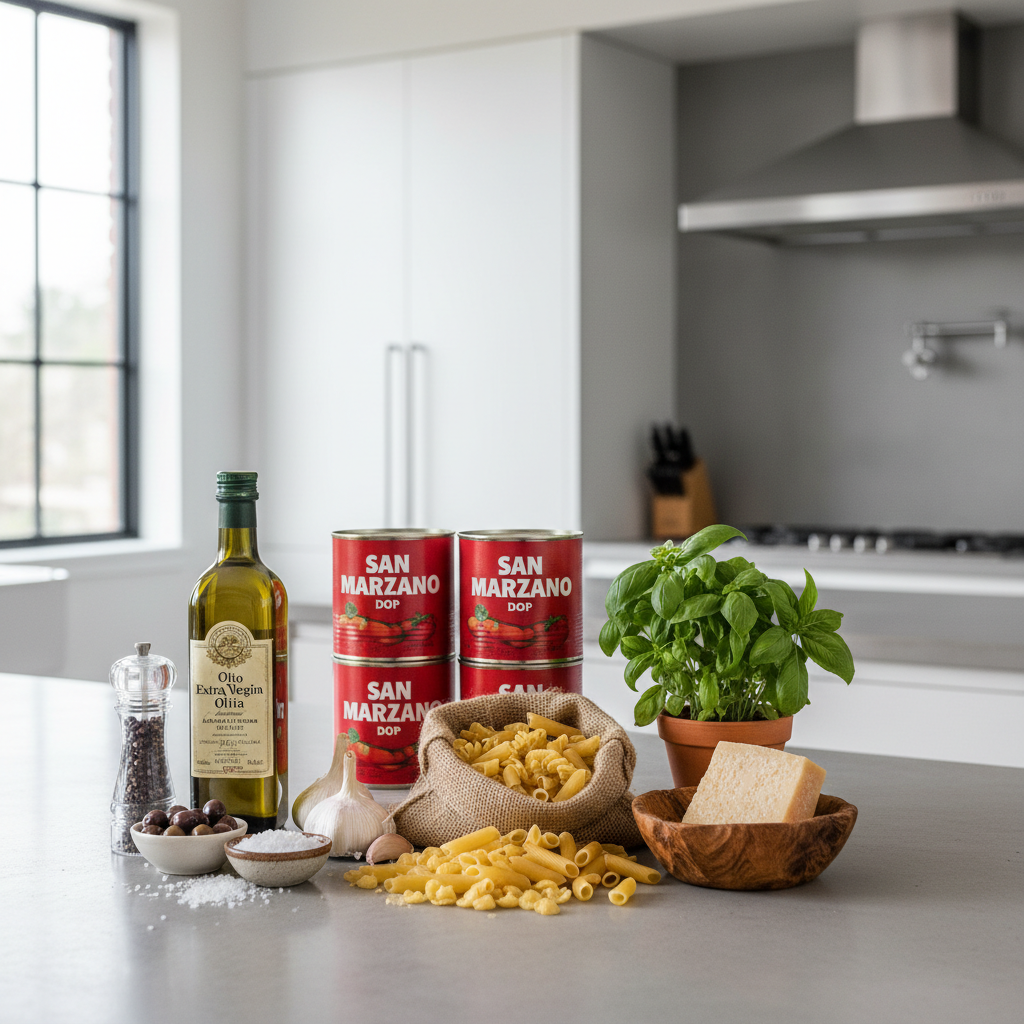
You don’t need a hundred products, you need the right dozen. If you’re cooking italian cuisine weekly, these are the ones that earn their shelf space.
| Category | What to buy | Why it matters |
|---|---|---|
| Tomatoes | Whole peeled canned tomatoes | Better texture control, less watery sauce |
| Pasta | Bronze-cut dried pasta (when possible) | Rougher surface helps sauce cling |
| Cheese | Parmigiano-Reggiano or Pecorino Romano (wedge) | Fresh grating tastes cleaner than pre-shredded |
| Fat | Extra virgin olive oil | Flavor foundation, finishing drizzle |
| Aromatics | Garlic, onion | Base layer for sauces and sautés |
| Heat & herbs | Crushed red pepper, basil (fresh if possible) | Simple, flexible flavor lift |
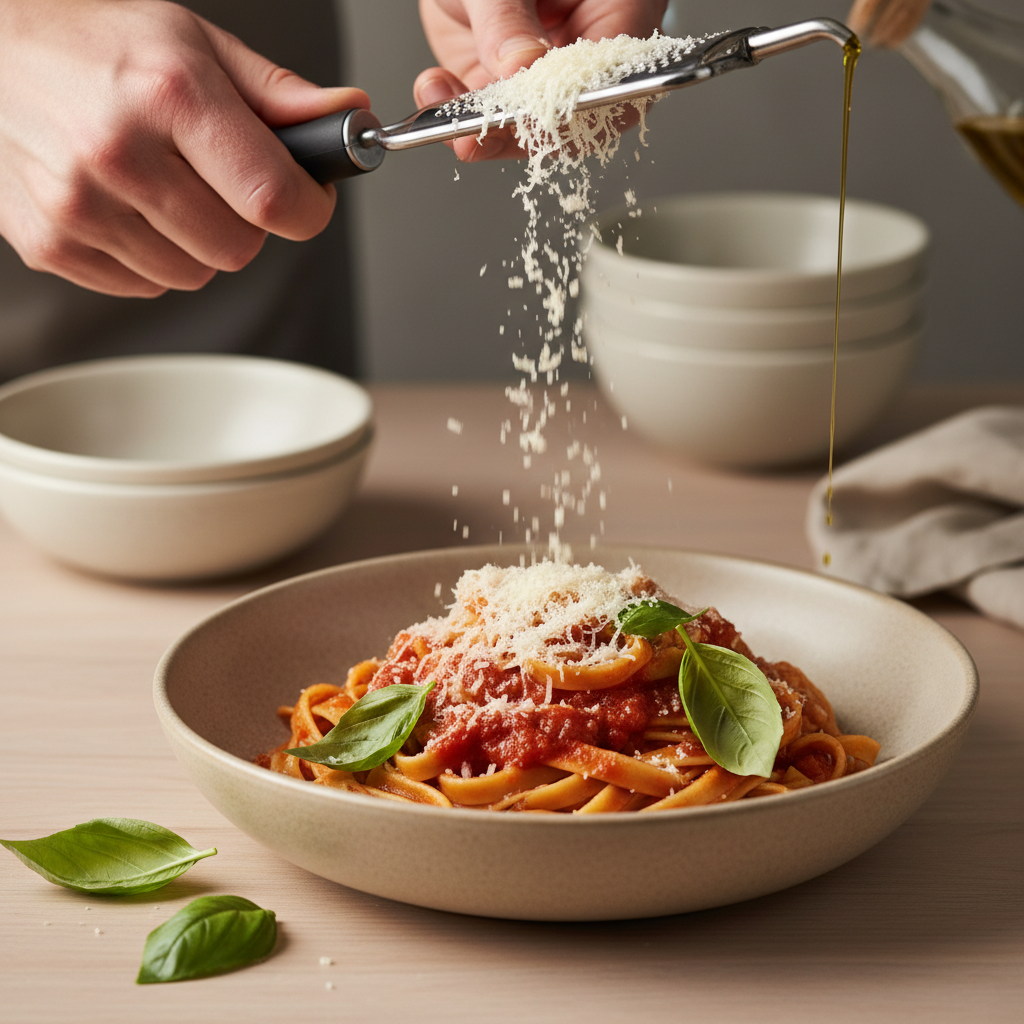
One small upgrade that pays off: buy cheese in a wedge and grate as needed. It changes carbonara, cacio e pepe, and pesto more than people expect.
Techniques that make Italian food taste “right” (without extra work)
These are the moves that quietly separate “fine” from “I’d make this again.” They’re also the fastest way to improve italian cuisine results without changing your whole grocery list.
Finish pasta in the sauce
- Pull pasta 1–2 minutes before the box time.
- Add it to the pan with sauce plus a splash of pasta water.
- Toss over medium heat until the sauce coats the pasta and looks glossy.
Use pasta water like an ingredient
Starchy water helps emulsify, meaning it helps oil, cheese, and water form a cohesive sauce instead of separating. This matters a lot in cacio e pepe and carbonara.
Control tomato sauce texture
- If sauce looks watery, simmer uncovered and stir occasionally.
- If sauce tastes sharp, let it cook a bit longer and consider a small drizzle of olive oil at the end.
- If sauce tastes dull, add salt in small increments, then reassess.
About “fixing acidity”: people often add sugar. Sometimes that helps, but it can also make sauce taste like jarred marinara. Better tomatoes and proper reduction usually solve more.
Pick the right cheese for the job
- Pecorino Romano: salty, sharp, classic for Roman pastas.
- Parmigiano-Reggiano: nutty, versatile, great “finisher.”
- Mozzarella: melt and stretch, not your main seasoning.
Practical “weeknight authentic” menus (choose one)
You don’t need a full Italian spread. A simple pasta plus a vegetable side gets you very close to how many people actually eat.
Menu A: 25–35 minutes
- Pasta al pomodoro (tomato, garlic, basil)
- Garlicky sautéed greens (broccoli rabe, spinach, or kale)
- Fruit or a small scoop of gelato
Menu B: Pantry-focused
- Tuna and caper spaghetti (olive oil, garlic, chili flakes)
- Simple salad with lemon and olive oil
Menu C: “Date night” but still doable
- Chicken piccata or a simple cutlet
- Roasted potatoes or polenta
- Lemon-dressed arugula
Key point: keep the menu tight, and spend your effort on execution, not variety.
Mistakes that look minor but ruin the result
These are the ones I see most often when people try to replicate italian cuisine at home and end up disappointed.
- Rinsing pasta: it strips starch that helps sauce cling.
- Using cold sauce on hot pasta: you miss the finishing step where texture improves.
- Overcooking garlic: burnt garlic turns bitter fast, keep heat moderate.
- Pre-shredded cheese for emulsified sauces: anti-caking agents can make sauces grainy.
- Too much sauce: many classic pasta dishes use less sauce than Americans expect.
If you’re watching sodium or have specific dietary needs, changes like salting pasta water might need adjustment, and it may be worth checking with a nutrition professional for personalized guidance.
Key takeaways you can use tonight
- Salt the pasta water until it tastes pleasantly seasoned.
- Finish pasta in the sauce and use a little pasta water for gloss and cling.
- Buy fewer, better staples: tomatoes, olive oil, and real cheese matter more than extra herbs.
- Keep menus simple, then cook with focus.
If you want your next dinner to feel more authentic, pick one dish, upgrade one ingredient, and change one technique, that combination usually beats chasing a “perfect” recipe.
FAQ
How do I make italian cuisine taste authentic without specialty stores?
Start with widely available upgrades: whole peeled canned tomatoes, a wedge of Parmigiano-Reggiano or Pecorino, and decent extra virgin olive oil. Technique does the rest, especially finishing pasta in the sauce.
Is jarred marinara “inauthentic”?
Not necessarily, it’s just a different product. If you use it, reduce it a little in a pan, add a bit of olive oil, and treat it like a base rather than the final flavor.
What’s the simplest authentic Italian pasta for beginners?
Pasta al pomodoro is hard to beat: tomatoes, garlic, olive oil, basil, salt. It’s simple enough that you can actually taste what each step changes.
Why does my cheese sauce turn clumpy in cacio e pepe?
Usually heat is too high or there isn’t enough starchy water. Let the pan cool slightly, add pasta water gradually, and use finely grated cheese so it melts evenly.
Do I need San Marzano tomatoes?
They can be great, but you mainly need good-quality whole peeled tomatoes that taste balanced. Try a couple brands and stick with the one that gives you the best flavor for your budget.
How can I make Italian meals healthier without losing the point?
Portion pasta reasonably, add a vegetable side, and rely on olive oil and tomatoes for flavor rather than heavy cream. If you have medical dietary constraints, a registered dietitian can help tailor choices.
What wine should I cook with for Italian dishes?
Use a dry wine you’d actually drink, and add it in small amounts so it supports rather than dominates. If you don’t keep wine around, broth plus a little acidity from lemon can cover many recipes.
If you’re cooking italian cuisine regularly and want a more foolproof routine, it can help to set up a small “Italian weeknight kit” in your pantry and rotate two or three core sauces, you’ll spend less time searching recipes and more time enjoying dinner.