
Casserole recipes are often the closest thing to a guaranteed dinner win: one pan, minimal fuss, and that cheesy pull everyone secretly wants. But if you’ve ever pulled a casserole out that’s watery, dry, or weirdly undercooked in the center, you already know the “easy” reputation can be misleading.
This guide keeps it practical, what makes casseroles turn out creamy instead of soupy, which cheeses melt well, and how to build dinners that reheat like a dream. You’ll also get a few reliable cheesy dinner formulas you can adapt to what’s in your fridge.
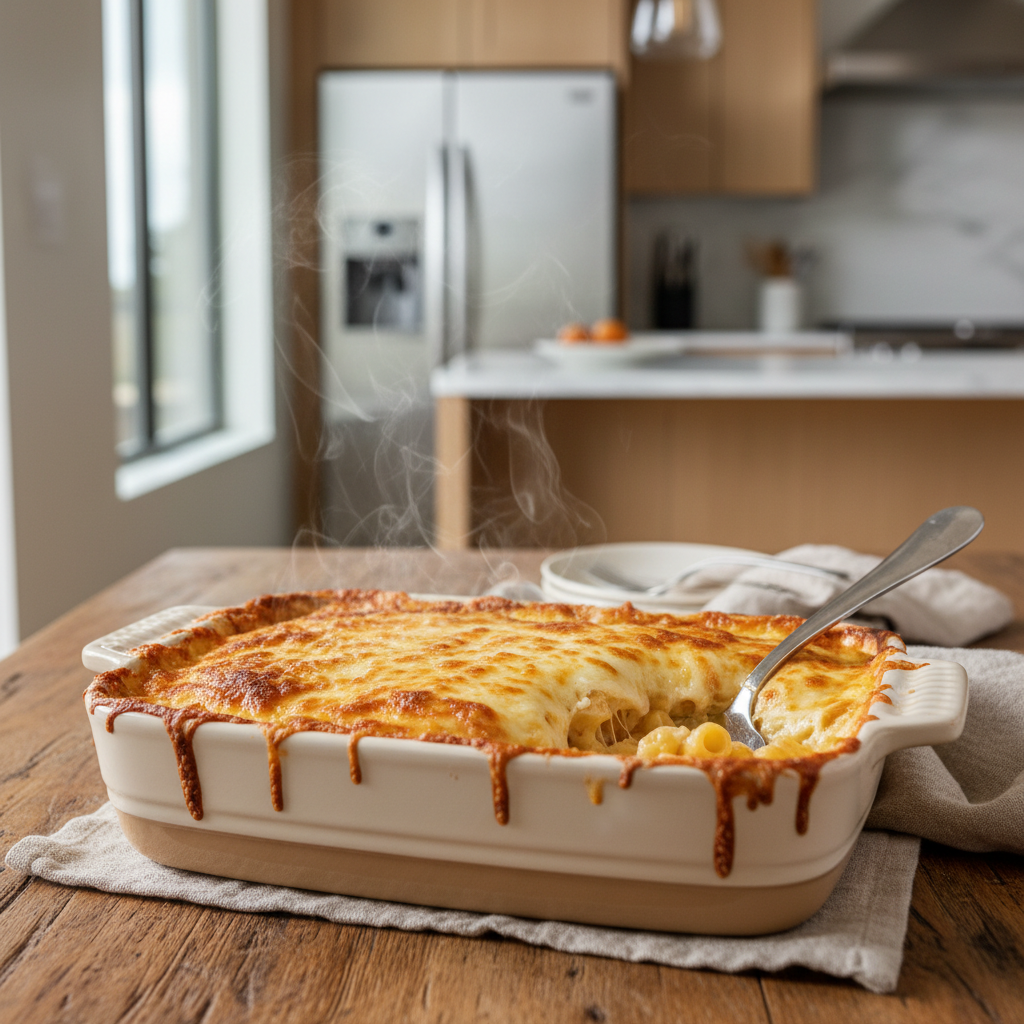
One quick note before we jump in: cheese behaves differently depending on brand, moisture, and heat, so treat times as ranges, not promises. If you cook at altitude or your oven runs hot, you’ll want to adjust.
What makes a casserole “cheesy” (without turning greasy)
Most cheesy casseroles succeed or fail on two things: how you handle moisture, and how you handle dairy. Cheese is flavorful, but it’s not always the best thickener on its own.
- Use a melting cheese + a flavor cheese. Melting cheeses (like mozzarella, Monterey Jack) give stretch, while sharper cheeses (like cheddar, Parmesan) bring punch.
- Control water from vegetables and cooked pasta. Watery mushrooms, zucchini, spinach, and even frozen broccoli can flood your sauce if not drained or sautéed first.
- Build a stable sauce. A quick roux (butter + flour), a cornstarch slurry, or a condensed-soup shortcut can keep things creamy instead of separated.
- Cheese goes in layers. Mixing some cheese into the filling and saving some for the top usually beats dumping everything on top and hoping.
According to USDA Food Safety and Inspection Service (FSIS), casseroles should reach a safe internal temperature, and leftovers should be cooled and stored promptly. That matters because dense, cheesy pans can hold heat in the middle longer than you think.
A quick “choose-your-casserole” formula (works for most weeknights)
If you want repeatable results, use this simple structure. It’s less about a single recipe and more about a pattern you can remix.
The basic build
- Base: cooked pasta, cooked rice, cubed bread, shredded potatoes, or tortillas
- Protein: rotisserie chicken, browned ground beef or turkey, beans, canned tuna, or cooked sausage
- Vegetables: onions, bell peppers, broccoli, peas, spinach (squeezed dry), mushrooms (sautéed)
- Binder: béchamel, cream cheese + broth, sour cream + stock, or a creamy soup shortcut
- Cheese: 2–3 cups total for a 9x13, split between filling and topping
- Crunch topping (optional): buttered breadcrumbs, crushed crackers, fried onions
For many casserole recipes, a 9x13-inch pan bakes well at 350°F for about 25–40 minutes, depending on how cold the ingredients start. If you’re baking straight from the fridge, expect the longer end.
3 dependable cheesy casserole recipes (with smart swaps)
These are written like a working editor’s kitchen notes: enough detail to cook confidently, enough flexibility to fit real life. Each one scales well and tastes like a “real dinner,” not just cheese on carbs.
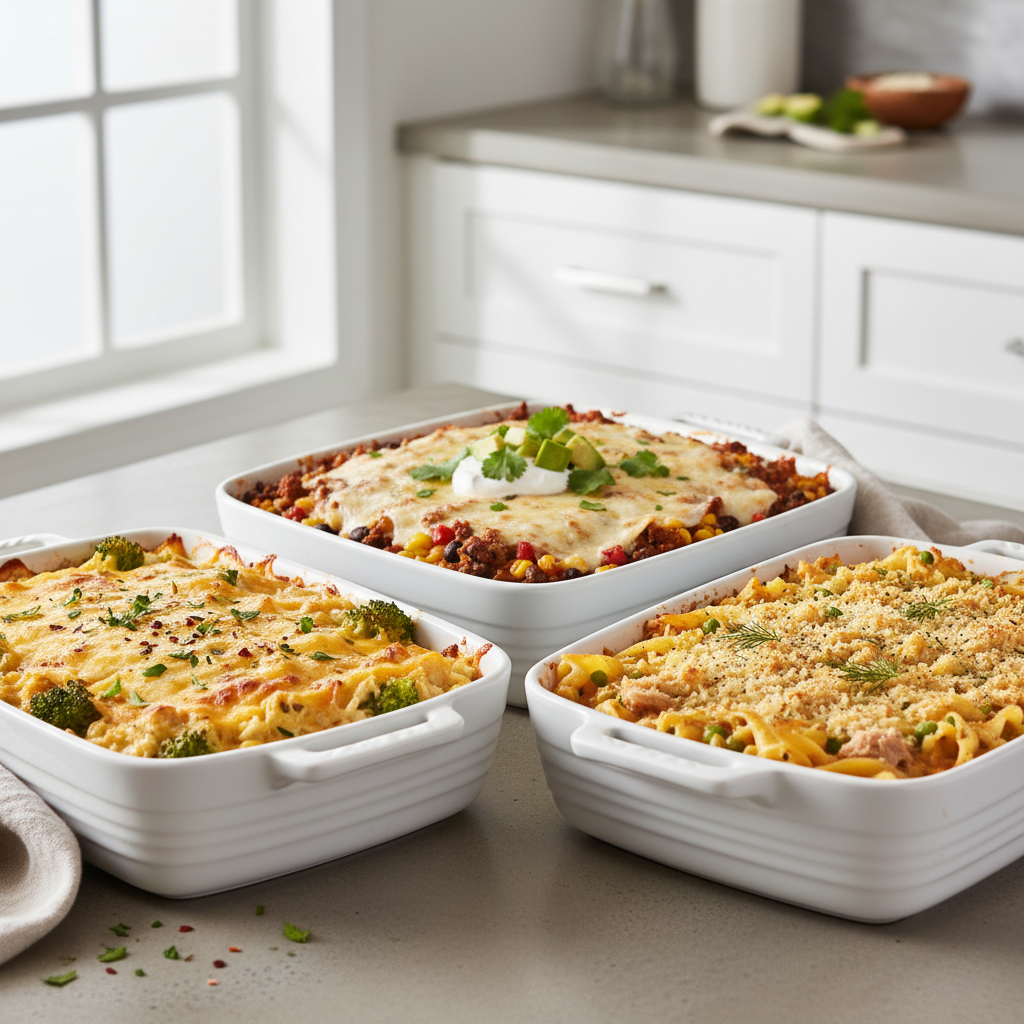
1) Cheesy Chicken, Broccoli, and Rice Casserole (creamy, not gluey)
Best for: using rotisserie chicken, feeding picky eaters, meal prep.
- Mix: 3 cups cooked rice, 2–3 cups cooked chicken, 2 cups broccoli (steamed, drained), 1 small sautéed onion
- Sauce: 2 tbsp butter + 2 tbsp flour, whisk in 2 cups milk, simmer until thick, stir in 1 cup cheddar + 1/2 cup Monterey Jack
- Top: 1 cup cheese + buttered breadcrumbs
- Bake: 350°F for 30–35 minutes, rest 10 minutes before serving
Swaps that usually work: brown rice (slightly drier, add a splash more milk), cauliflower florets, pepper jack for heat.
2) Cheesy Taco Beef Tortilla Casserole (layers, fast, crowd-proof)
Best for: busy nights when you want “fun dinner” without standing at the stove.
- Cook: 1–1.5 lb ground beef or turkey with onion, garlic, taco seasoning, and 1/2 cup salsa
- Layer: tortillas, meat, black beans (drained), corn (drained), a little enchilada sauce
- Cheese: use a Mexican blend plus a handful of sharp cheddar for flavor
- Bake: 375°F for 20–25 minutes until bubbly
Swaps that usually work: shredded chicken, pinto beans, roasted peppers. If your salsa is watery, reduce it a bit on the stove before layering.
3) Cheesy Tuna Noodle Casserole (classic comfort, less “cafeteria”)
Best for: pantry nights, nostalgic comfort, easy lunches the next day.
- Mix: 12 oz egg noodles (undercook by 1–2 minutes), 2 cans tuna (drained), 1 cup peas, sautéed mushrooms
- Sauce: 2 cups milk + 4 oz cream cheese (melt in), salt, pepper, a pinch of mustard powder if you like
- Cheese: 1–1.5 cups cheddar inside, a little extra on top
- Bake: 350°F for 25–30 minutes
Swaps that usually work: canned salmon, frozen mixed veg, gluten-free pasta (watch bake time, some brands soften fast).
Cheese choices: a quick reference table
If you’ve ever wondered why one pan turns silky and another turns oily, the cheese is often the reason. Here’s a simple cheat sheet you can keep in your head.
| Cheese | Melts well? | Flavor impact | Best use in casseroles |
|---|---|---|---|
| Mozzarella | High | Mild | Stretchy top layer, mix with sharper cheese |
| Monterey Jack | High | Mild-medium | Filling cheese for creamy texture |
| Cheddar (sharp) | Medium | High | Flavor backbone; blend with smoother melters |
| Gruyère | High | Medium-high | More “grown-up” casseroles, potatoes, mushrooms |
| Cream cheese | N/A (softens) | Mild | Stabilizes sauces, helps prevent splitting |
| Parmesan | Low-medium | High | Finish, topping boost, mix into breadcrumbs |
Practical prep: make-ahead, freezer, and reheating that doesn’t dry out
Most people don’t need “new” casserole recipes, they need casseroles that survive real schedules. Here’s the workflow that tends to keep texture and flavor intact.
- Make-ahead (fridge): assemble, cover tightly, refrigerate up to 24 hours. Add 10–20 minutes bake time, and keep foil on for the first half so the top doesn’t scorch.
- Freezer: freeze before baking when possible, label with date and baking temp. Thaw overnight in the fridge for more even cooking.
- Reheat: add a splash of broth or milk around the edges, cover with foil, warm at 325°F until hot. Microwave works for single servings, but ovens keep the sauce smoother.
According to U.S. Food and Drug Administration (FDA), food safety basics include keeping hot foods hot and cold foods cold, and avoiding extended time in the temperature danger zone. If anyone in your household is higher-risk, it’s worth being extra careful with cooling and reheating.
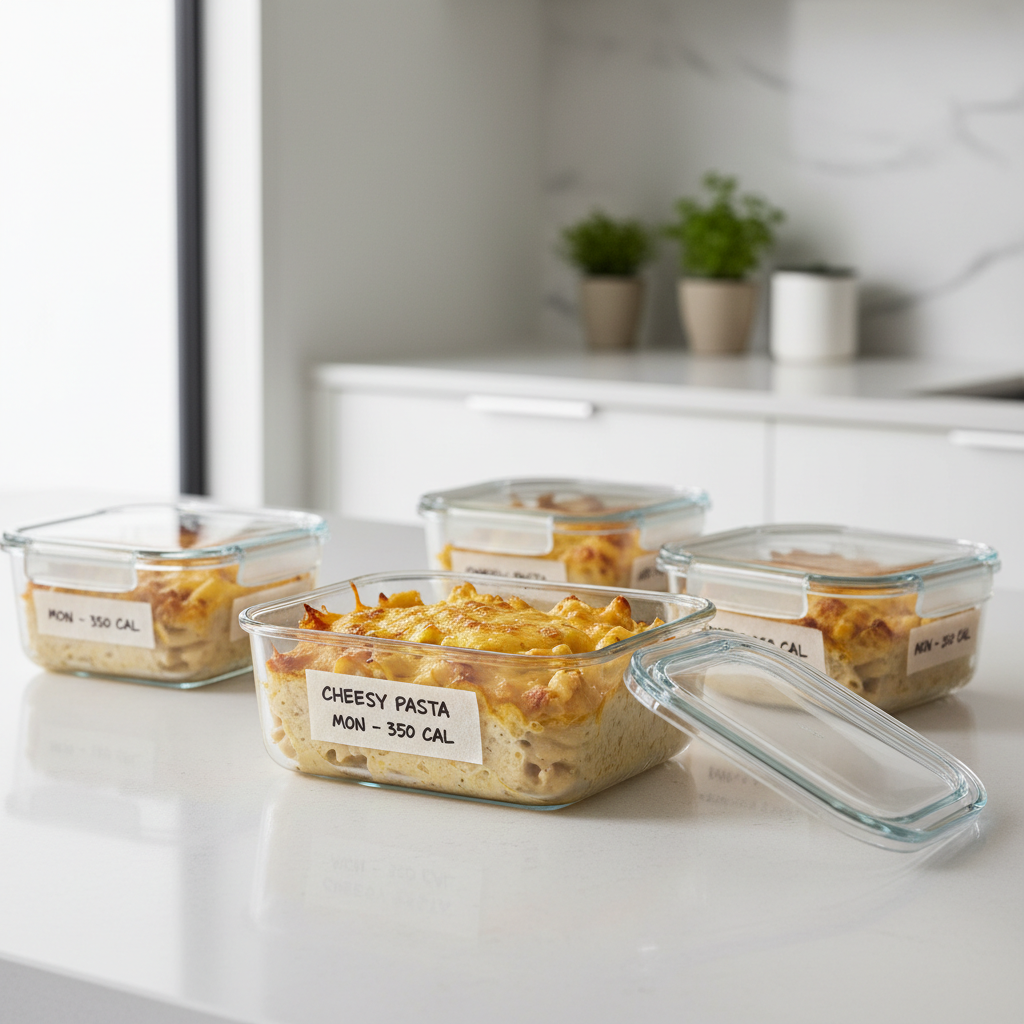
Key point: if you freeze a dairy-heavy casserole, a little texture change is normal. Sauces thickened with roux or cream cheese tend to reheat more smoothly than “just milk + cheese.”
Troubleshooting: why casseroles turn out watery, dry, or bland
This is the part nobody wants to read, until it’s 7:30 pm and dinner is… soup. These fixes usually work without starting over.
- Watery casserole: drain cooked veg, reduce sauces, undercook pasta less, let the pan rest 10–15 minutes so starches set. If it’s already baked, stir in a small handful of shredded cheese and rest before serving.
- Dry casserole: cover with foil earlier, add more sauce next time, avoid overbaking. For leftovers, reheat covered with a splash of liquid.
- Greasy top: too much high-fat cheese or pre-shredded blends with anti-caking agents. Use a blend and shred some yourself if you can.
- Bland flavor: salt your pasta water, season the sauce, add acid (a spoon of salsa, mustard, lemon), and don’t forget a finishing sprinkle of Parmesan or herbs.
Key takeaways before you cook
- Moisture control matters more than extra cheese.
- Blend cheeses for better melt + better flavor.
- Rest time is part of the recipe, it helps the casserole slice and serve cleanly.
- Most casserole recipes improve with a crunchy topping, but only if you add it at the right time.
Conclusion: a cheesy dinner you can actually repeat
Cheesy casseroles work when you treat them like a system, not a gamble: pick a solid binder, manage moisture, and use cheese with intention. If you try one thing tonight, make it the rest period after baking, it fixes more texture issues than people expect.
If your weeknights are tight, choose one base (rice or pasta), one protein (rotisserie chicken or ground meat), and one sauce style you like, then rotate vegetables and cheeses. That’s how casserole recipes stop being a one-off and start becoming your easiest dinner plan.
FAQ
What are the best cheeses for casserole recipes that stay creamy?
Monterey Jack, mozzarella, and a bit of cream cheese tend to melt smoothly, then add sharp cheddar or Parmesan for flavor. A blend usually beats a single cheese.
Why is my cheesy casserole watery even after baking?
Usually it’s water from vegetables, frozen ingredients, or an overly thin sauce. Next time sauté and drain veg, and let the finished pan rest so it thickens as it cools slightly.
Can I assemble a casserole the night before and bake it the next day?
In many cases, yes. Keep it covered in the fridge, then bake a bit longer and start with foil so the top doesn’t brown too fast.
How do I keep a casserole from drying out in the oven?
Cover with foil for the first half, avoid baking past “bubbly at the edges,” and make sure your pasta or rice isn’t overcooked going in. For reheating, add a splash of broth or milk.
Are pre-shredded cheeses okay for cheesy casseroles?
They’re convenient and often fine, but some melt less smoothly because of anti-caking agents. If you’ve had greasy or grainy results, try shredding a block for at least part of the cheese.
How do I know when a casserole is fully heated through?
The center should be hot and bubbling, not just the edges. For dense pans, a food thermometer can remove the guesswork; if safety is a concern, consider guidance from USDA FSIS and consult a professional if you’re cooking for someone with higher risk.
What can I use instead of canned condensed soup in casserole recipes?
A quick roux-based sauce works well, or you can combine broth with sour cream or cream cheese for a stable, creamy binder. Just watch salt levels as you season.
If you’re trying to build a small rotation of cheesy dinners that don’t feel repetitive, start by choosing two “house casseroles” and tweak the mix-ins week to week, it’s the easiest way to get variety without learning brand-new recipes every time.