
Creamy Mac and Cheese Recipes (Plus the Method That Makes Them Work)
Mac and cheese turns creamy when you stop treating it like “pasta + melted cheese” and start treating it like a sauce you control. If your pan ends up grainy, oily, or oddly thick, it’s usually not the recipe’s fault, it’s heat, timing, or the cheese choice.
This guide gives you a practical, repeatable base, then a handful of variations that taste different without forcing you to learn a new technique each time. You’ll also get a quick troubleshooting checklist, a small comparison table, and a few “don’t bother” mistakes that waste good cheese.
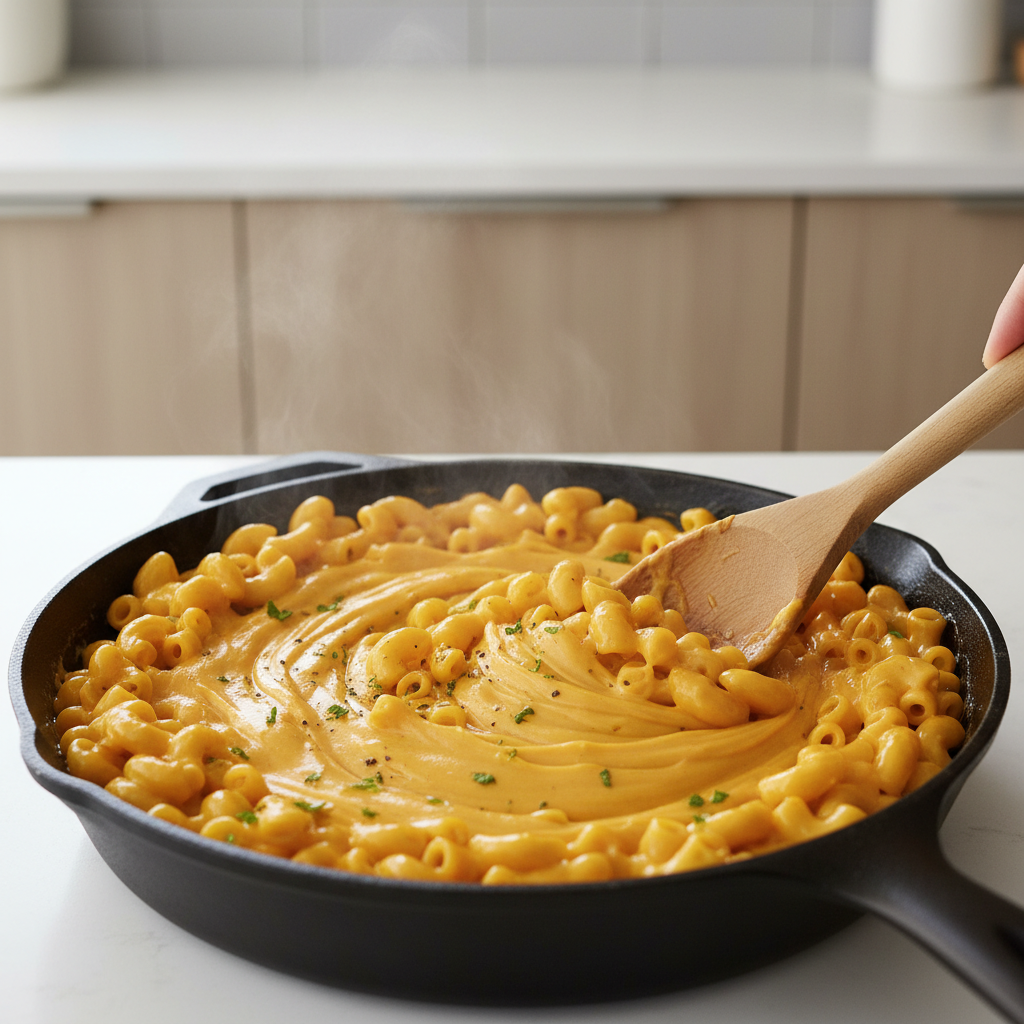
One quick note before we get into recipes: “creamy” is not one thing. Some people want a silky sauce that clings, others want a looser spoonable sauce, and baked versions can be creamy under a crisp top if you build them right.
What “Creamy” Really Means (And Why It Often Fails)
Creaminess is mostly about emulsion, fat and water staying together, instead of splitting. When the sauce breaks, you see oil puddles, stringy clumps, or a grainy texture.
- Too much heat: High heat can cause cheese proteins to tighten and squeeze out fat.
- Wrong cheese mix: Some cheeses melt smooth, others separate more easily, especially aged or very dry ones.
- Adding cheese too fast: Dumping it in can shock the sauce and create clumps.
- Not enough starch: Pasta water (or a roux) helps stabilize the sauce.
- Overbaking: Oven heat keeps pushing moisture out, so the sauce thickens past “creamy” into “sticky.”
According to USDA Food Safety and Inspection Service (FSIS), perishable dairy-based dishes should not sit out longer than 2 hours at room temperature, so plan your cook time and serving window accordingly.
Quick Self-Check: Which Mac and Cheese Problem Do You Have?
If your last batch disappointed you, use this fast diagnosis before changing recipes.
- Grainy sauce: cheese got too hot, or you used mostly aged/sharp cheeses without a smoother “melter.”
- Oily puddles: sauce split from heat, or you baked too long without enough liquid.
- Too thick, almost gluey: too much flour/roux, too little liquid, or it reduced too far.
- Thin and watery: not enough cheese, not enough reduction, or pasta water not used strategically.
- Cheese clumps: cheese added while base was boiling, or pre-shredded cheese with anti-caking agents fought you.
Once you know the failure mode, the fix is usually simple: lower heat, change the cheese blend, or adjust the liquid and timing.
The Creamy Base Method (Stovetop, Reliable, No Drama)
This is the base I’d use for most creamy mac and cheese recipes because it gives you control and consistent texture. You can keep it classic or layer flavors later.
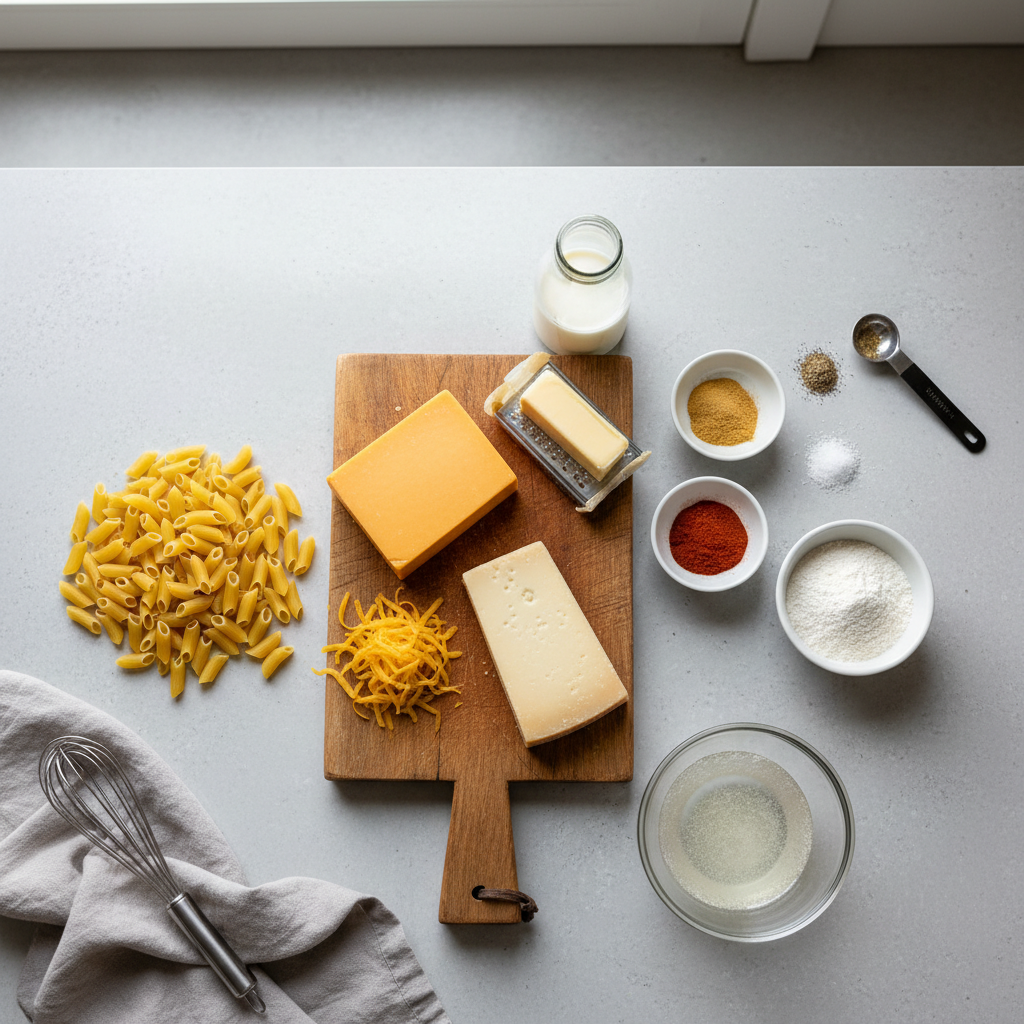
Base ingredients (serves 4)
- 8 oz elbow macaroni (or cavatappi)
- 2 tbsp butter
- 2 tbsp all-purpose flour
- 2 cups milk (whole milk is easier to keep silky)
- 1 tsp Dijon mustard (optional, helps balance richness)
- 1/2 tsp kosher salt, plus more for pasta water
- Pinch of garlic powder or smoked paprika (optional)
- 2 to 2 1/2 cups grated cheese blend (see table below)
- 1/4 to 1/2 cup hot pasta water, as needed
Steps (the parts that matter)
- Cook pasta just shy of done, then reserve at least 1 cup pasta water.
- Melt butter, whisk in flour, cook 60–90 seconds until it smells slightly nutty.
- Whisk in milk gradually, keep heat at medium, then simmer until it lightly coats a spoon.
- Turn heat to low, add cheese in small handfuls, stirring until smooth before adding more.
- Loosen with a splash of hot pasta water until the sauce coats pasta the way you like.
Key point: if the pot is bubbling aggressively when cheese goes in, you’re flirting with graininess. Lower the heat and slow down.
Cheese Choices That Melt Creamy (A Practical Table)
Not every cheese behaves the same. Mixing a “melter” with a “flavor cheese” usually gives the best texture and taste.
| Cheese | Melting behavior | Best use | Watch-outs |
|---|---|---|---|
| Sharp cheddar | Good, can grain if overheated | Main flavor base | Use with a smoother partner |
| Monterey Jack | Very smooth | Texture support | Can taste mild alone |
| Gruyère | Smooth, rich | “Grown-up” depth | Pricey, can dominate |
| Mozzarella (low-moisture) | Stretchy, mild | Pull and body | Too much turns stringy |
| Cream cheese | Ultra-stabilizing | Emergency smoothness | Can mute sharp flavors |
| Parmesan | Can clump if pushed | Finish, savory punch | Add off-heat, small amounts |
If you want the easiest “always creamy” blend, many home cooks do well with cheddar + Monterey Jack, then a small handful of Parmesan at the end for savoriness.
5 Creamy Mac and Cheese Recipes (Same Base, Different Vibes)
Each variation starts from the stovetop base above. Think of these as swaps and add-ins, not entirely new workflows, and that’s the point.
1) Ultra-Creamy Evaporated Milk Mac
- Swap 1 cup of milk for 1 cup evaporated milk.
- Add 2 oz cream cheese when the white sauce thickens.
- Finish with cheddar + Jack.
This version stays smooth even when reheated, which is why it’s popular for potlucks.
2) White Cheddar + Gruyère “Steakhouse” Style
- Use white cheddar as the main cheese, plus Gruyère for depth.
- Add 1/2 tsp Dijon and a pinch of garlic powder.
- Optional: stir in 1 tbsp finely minced onion cooked in the butter first.
The flavor reads richer without needing heavy cream, and it pairs well with roasted vegetables.
3) Spicy Creamy Buffalo Chicken Mac
- Stir 1/3 cup Buffalo-style hot sauce into the finished sauce (off heat).
- Add 1 to 1 1/2 cups shredded cooked chicken.
- Cheese blend: cheddar + Jack, then a touch of blue cheese if you like it.
If you’ve had Buffalo sauce make dairy look weird, that’s real, acidity can push separation, so add it slowly and keep heat low.
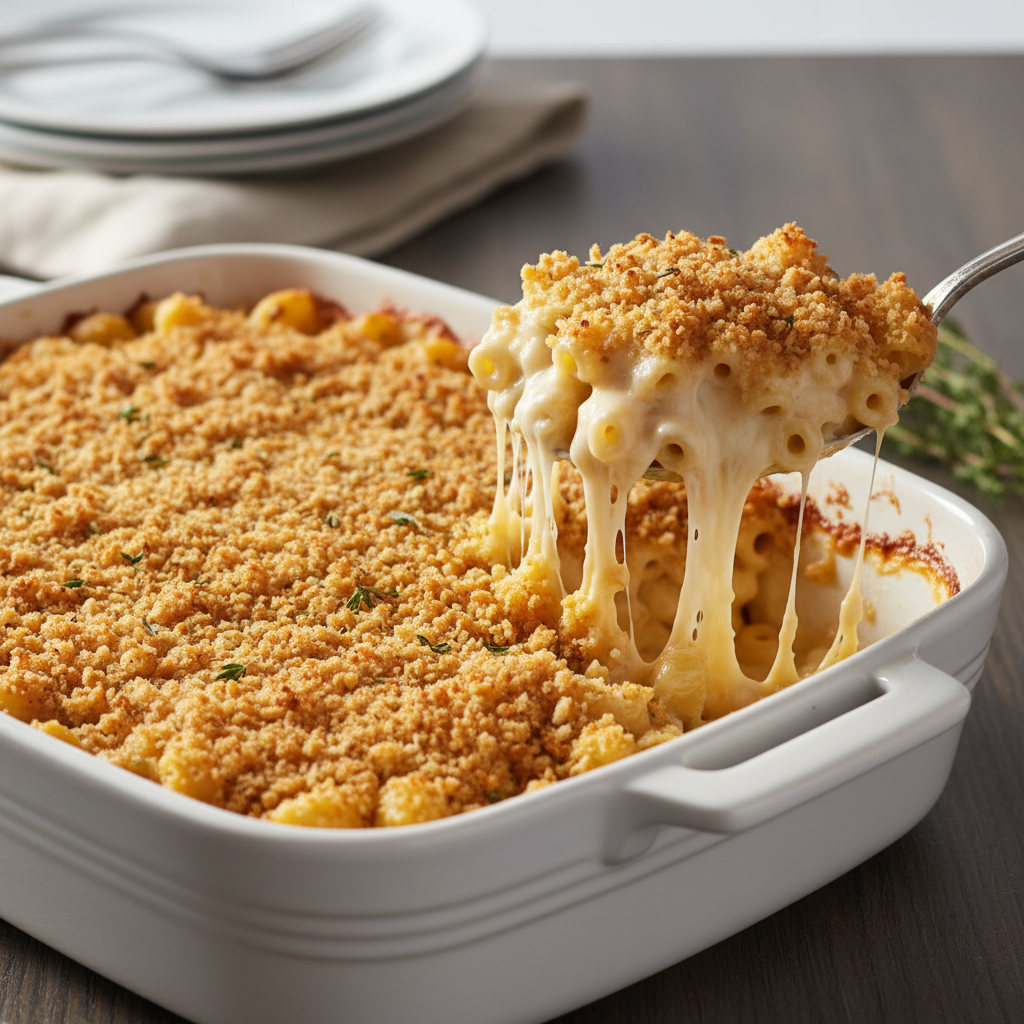
4) Creamy Baked Mac With Crunchy Top (Not Dry)
- Make the stovetop version slightly looser than normal using extra pasta water.
- Pour into a baking dish, top with buttered panko breadcrumbs.
- Bake at 375°F for 12–15 minutes, just until bubbling at edges.
Baked mac and cheese gets dry when it stays in the oven too long. Pull it earlier than you think, it carries over.
5) Creamy “Pantry Night” Mac (No Roux)
- Warm 1 cup milk + 1 cup evaporated milk in a saucepan.
- Add cheese gradually on low heat.
- Use hot pasta water to adjust thickness.
This one can be slightly less stable than a roux-based sauce, but it’s fast and has fewer steps, which matters on a weeknight.
Pick one variation, cook it once, and take a note on texture. With creamy pasta dishes, that little feedback loop beats chasing a brand-new recipe every time.
Hands-On Tips for Creamy Results (The Stuff People Skip)
- Grate your own cheese when you can. Pre-shredded often includes anti-caking agents that may resist melting.
- Use pasta water like a dial, add a splash, stir, wait 10 seconds, then decide.
- Salt earlier, not later, properly salted pasta water makes the whole dish taste “finished.”
- Kill the heat before the last cheese, especially Parmesan, it’s more likely to clump when the sauce is hot.
- Rest 3–5 minutes after mixing, the sauce tightens slightly and coats better.
Key takeaways: low heat, gradual cheese additions, and a little starch support usually separate “nice” from “wow, that’s creamy.”
Common Mistakes and When to Get Help
Some mistakes are easy to fix mid-cook, others are more about planning.
- Trying to “save time” with high heat: it often costs you texture, especially with sharp cheeses.
- Using only aged cheeses: great flavor, but they can split more easily; blend them with a smoother cheese.
- Reheating on full power: gentle stovetop heat with a splash of milk typically keeps it creamy.
- Food safety guesswork: if you’re serving a crowd, follow USDA FSIS guidance on cooling and holding times, and if you’re unsure, it’s safer to toss than risk it.
If you need to adapt for allergies, medical diets, or major sodium restrictions, it’s worth checking with a registered dietitian or clinician, substitutions can change both nutrition and how the sauce behaves.
Conclusion: A Creamy Mac Habit Beats a Perfect Recipe
Creamy mac and cheese is mostly a method: build a stable sauce, add cheese gently, then adjust texture with pasta water. Once that clicks, you can make it classic, spicy, baked, or “whatever’s in the fridge” without stressing.
If you want one action step, cook the base once this week and write down two notes: which cheese blend you used and whether you preferred it looser or thicker. Next time, you’ll get to “your” version faster.
FAQ
Why does my mac and cheese turn grainy?
Graininess usually comes from overheating cheese or using mostly aged cheeses that separate more easily. Lower the heat before adding cheese and mix in a smoother melter like Monterey Jack.
How do I keep mac and cheese creamy when baking it?
Start with a looser stovetop sauce, then bake briefly just to set the top. Overbaking is the common reason baked versions lose moisture and feel dry.
Is heavy cream necessary for a creamy sauce?
Not always. Whole milk plus a roux and a good cheese blend can get very creamy. Heavy cream can help richness, but it’s not the only lever.
Can I make mac and cheese ahead of time?
Yes, but plan to reheat gently and add a splash of milk to restore silkiness. For events, be mindful of safe holding times, and follow USDA FSIS food safety guidance.
What’s the best cheese blend for creamy mac and cheese?
A common reliable combo is sharp cheddar for flavor plus Monterey Jack for melt, with a little Parmesan at the end. If you like nuttier depth, swap in some Gruyère.
How do I fix a sauce that looks oily or separated?
Take it off the heat, whisk in a tablespoon or two of hot pasta water, and stir steadily. If it’s really broken, a small spoon of cream cheese can help pull it back together.
Does pre-shredded cheese really melt worse?
Often, yes. Many bags include anti-caking agents that can affect melt and texture. If you want the smoothest sauce, grating from a block usually helps.
If you’re trying to dial in a specific result, extra-saucy for leftovers, baked with a crisp top, or a lighter pantry version, it helps to pick one method and tweak one variable at a time, cheese blend, heat level, or liquid, instead of changing everything at once.