
Mint recipes can turn a flat drink into something bright and “fresh” in about 30 seconds, but only if the mint tastes clean, the sweetness is balanced, and you don’t accidentally bruise it into bitterness.
If you’ve ever made a mint drink that tasted like lawn clippings, or if your mojito felt watery, you’re not alone, mint is one of those ingredients that looks simple and acts fussy. The good news is it’s fussy in predictable ways.
Below you’ll get a practical playbook: which mint to buy, quick syrup options, a small ratio table you can keep nearby, and a set of drinkable recipes you can adapt for alcohol-free or cocktail versions.
What makes mint taste “fresh” (and what makes it go wrong)
The best mint flavor in drinks is more aroma than “green” taste. When mint goes wrong, it’s usually one of these issues.
- Over-muddling: grinding mint ruptures the leaves and releases bitter, planty notes. Press gently, don’t pulverize.
- Old or warm mint: tired leaves smell weak, then you compensate by using more, which can taste harsh.
- Too much acidity: lemon/lime can bury mint if you don’t add enough sweetness or dilution.
- Wrong salt level: a tiny pinch can “lift” mint, but too much makes it taste flat and vegetal.
According to USDA Food Safety and Inspection Service (FSIS)... keep fresh herbs refrigerated and dry to slow spoilage, which also helps preserve flavor for drink use.
A quick “mint checklist” before you mix
Use this fast check so you can pick the right approach, especially if you’re improvising mint recipes for a party.
- Smell test: does it smell sweet and cooling, or muted and grassy? If muted, switch to syrup/tea infusion instead of muddling.
- Leaf condition: avoid black spots or slimy stems. Slight wilting is workable if you plan to infuse.
- Drink style: spirit-forward (mint julep) needs mint aroma up top, fizzy drinks need restraint so mint doesn’t dominate.
- Time you have: 2 minutes means slap-and-garnish, 20 minutes means quick syrup or mint tea base.
Key point: If your mint is average, you’ll get better results from infusing than from aggressive muddling.
Core building blocks (so you can riff without guessing)
Most mint recipes for drinks are variations of four building blocks: mint aroma, sweetness, acidity, and dilution. Nail these, and the “recipe” becomes flexible.
Mint simple syrup (fast and forgiving)
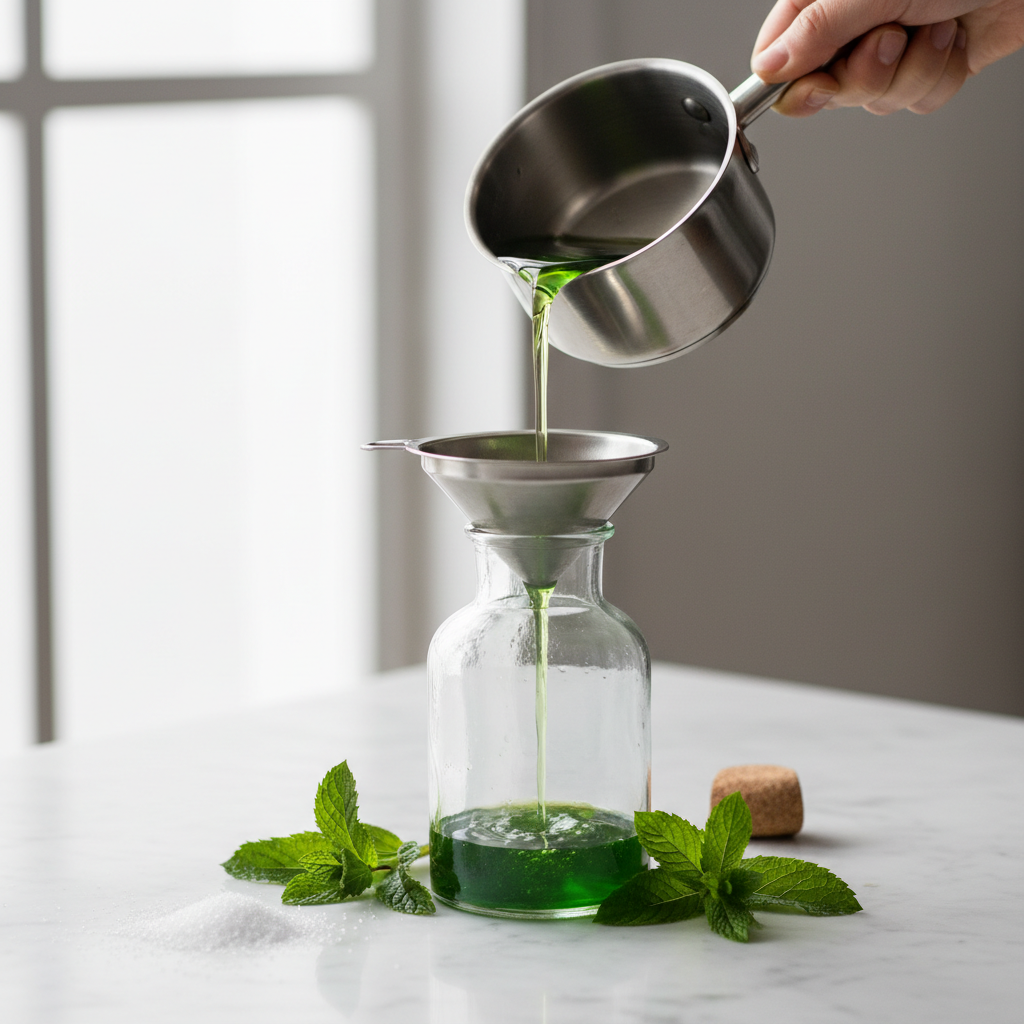
This is the easiest way to get consistent mint flavor, especially for pitchers.
- Combine 1 cup sugar + 1 cup water, warm until dissolved (don’t hard-boil).
- Turn off heat, add 1 packed cup mint, steep 10–15 minutes.
- Strain, cool, refrigerate. Use within about a week (quality varies by fridge and cleanliness).
If you want a brighter “garden mint” note, add a few strips of lime zest while steeping, then strain.
Mint tea concentrate (great for alcohol-free drinks)
- Pour 2 cups hot water over 2 packed cups mint.
- Cover and steep 8–12 minutes, then strain.
- Sweeten lightly or keep unsweetened and add syrup per drink.
This approach avoids bitterness because you’re not shredding leaves, you’re extracting aroma more gently.
“Slap” method for aroma (no muddler required)
For single drinks, lightly slap 6–10 mint leaves between your palms, then tuck them into the glass as a garnish. Your nose does most of the work.
Mint drink ratio table (a practical shortcut)
If you’re eyeballing, these ranges keep most mint recipes from swinging too sour or too sweet. Adjust based on ice size and how tart your citrus tastes.
| Drink style | Mint method | Sweetener | Acid (lemon/lime) | Dilution |
|---|---|---|---|---|
| Fizzy highball | Slap + garnish | 0.5–0.75 oz syrup | 0.5–0.75 oz juice | Top with club soda |
| Sour-style (shaken) | Gentle press | 0.75 oz syrup | 0.75–1 oz juice | Shake with ice |
| Spirit-forward | Big bouquet garnish | 0.25–0.5 oz syrup | Optional | Stir with ice |
| Pitcher / batch | Mint syrup/tea | To taste | To taste | Chill, add bubbles last |
Fresh mint recipes for drinks (cocktails and mocktails)
These are written like a working bar recipe: clear amounts, easy substitutions, and notes on what matters. Keep the mint gentle, that’s the theme.
1) Mint Lime Spritz (easy mocktail or vodka spritz)
- 0.75 oz mint simple syrup
- 0.75 oz fresh lime juice
- Club soda to top
- 6–8 mint leaves (slapped) + mint sprig garnish
- Optional: 1.5 oz vodka
Add syrup and lime to an ice-filled glass, stir briefly, top with soda. Add slapped mint and garnish. If it tastes sharp, add a touch more syrup, not more mint.
2) Quick Mojito (less muddling, more aroma)
- 1.5–2 oz white rum
- 0.75 oz mint syrup (or 2 tsp sugar)
- 0.75 oz lime juice
- Club soda to top
- 8–10 mint leaves
In the glass, gently press mint with syrup (two soft presses). Add rum, lime, ice, then top with soda and stir once. If you use sugar instead of syrup, dissolve it with lime first so it doesn’t stay gritty.
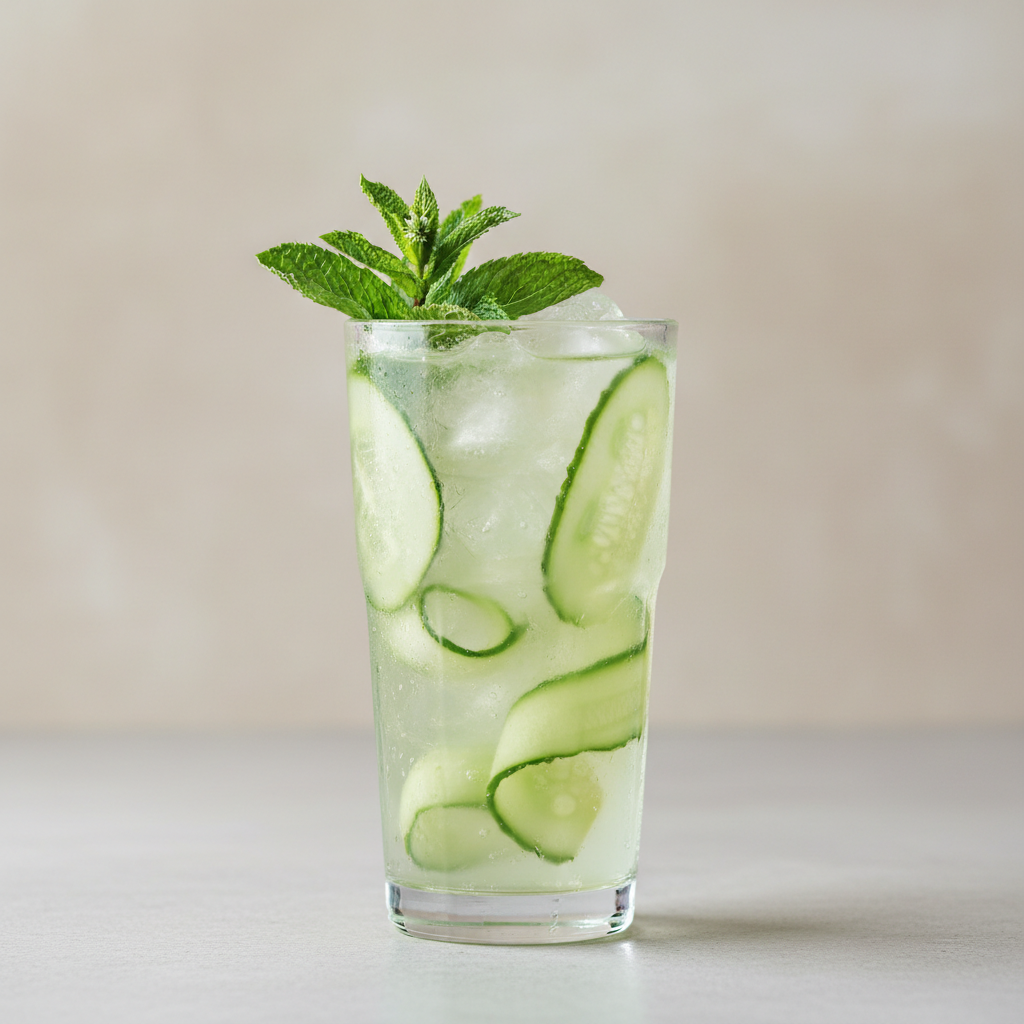
3) Cucumber Mint Cooler (crowd-pleaser, low alcohol optional)
- 3–4 cucumber slices
- 0.5–0.75 oz mint syrup
- 0.5 oz lemon juice
- 2 oz chilled water (or light tonic)
- Optional: 1.5 oz gin
Lightly press cucumber with syrup, add lemon and ice, then water or tonic. Add a mint sprig. This is one of those mint recipes where “less mint” usually tastes more refreshing.
4) Mint Iced Green Tea Lemonade (no shaker, big payoff)
- 4 oz chilled green tea
- 1 oz lemon juice
- 0.5–0.75 oz mint syrup (or honey syrup)
- Ice + mint sprig
Stir in a glass and taste. Green tea can go bitter if it’s over-brewed, so start with tea that tastes clean on its own, then layer mint and lemon.
5) Bourbon Mint Julep (classic, but keep it simple)
- 2 oz bourbon
- 0.25–0.5 oz mint syrup (or 1 tsp superfine sugar)
- Crushed ice
- Large mint bouquet
Swirl bourbon and syrup in a chilled cup, pack with crushed ice, swizzle briefly, then add a big mint bouquet. The bouquet is the point, you smell mint before you sip.
Practical tips for batching and hosting
Batching mint drinks is where people waste the most time, and also where mint can turn swampy if it sits too long.
- Use mint syrup or mint tea for pitchers, keep fresh leaves for garnish only.
- Add bubbles last, right before serving, so drinks stay lively.
- Chill everything (base, glasses, ice), warm dilution makes mint feel dull fast.
- Hold citrus back if you’re prepping early, add closer to serving so it tastes brighter.
If you’re serving both drinkers and non-drinkers, set one base (mint-lime) and let people choose soda, tonic, rum, or vodka.
Common mistakes (and what to do instead)
- Mistake: shredding mint in the glass. Do: two gentle presses, or switch to syrup.
- Mistake: using stems in a muddle. Do: pick leaves; stems can read bitter in many cases.
- Mistake: “fixing” weak mint by adding more leaves. Do: slap a fresh sprig for aroma, or add a barspoon of mint syrup.
- Mistake: letting mint sit in citrus for hours. Do: keep them separate until close to serving.
According to U.S. Food & Drug Administration (FDA)... proper refrigeration and clean handling reduce food safety risks; if your mint looks slimy or smells off, it’s safer to toss it.
When to be cautious (health, allergies, and interactions)
Mint is widely used in food and drinks, but individual tolerance varies. If you have reflux, sensitive stomach, allergies to herbs, or you take medications where herbs could be a concern, it may be smart to ask a clinician or pharmacist what’s appropriate for you.
For kids, pregnancy, or medical conditions, avoid assuming “natural” equals risk-free, keep portions modest and stick to food-safe handling.
Conclusion: keep mint simple, keep it aromatic
The most reliable mint recipes are the ones that treat mint like an aroma ingredient, not a vegetable you need to crush. Start with a mint syrup or a slap-and-garnish approach, use the ratio table to keep balance, then tweak sweetness and citrus before you start adding more leaves.
If you want a quick next step, make one small bottle of mint simple syrup and try the Mint Lime Spritz, it’s the easiest way to see what “fresh mint” should taste like.
FAQ
How do I keep mint from turning bitter in drinks?
Skip hard muddling. Gentle pressing or using mint syrup usually keeps the flavor bright, and you can rely on a mint sprig garnish for aroma.
Can I use dried mint instead of fresh mint?
You can, but it tends to taste more earthy and less “cooling.” If dried mint is what you have, consider steeping it as a tea and using it as a base rather than dropping it into the glass.
What’s the best sweetener for mint drinks?
Simple syrup is consistent and mixes fast, honey syrup adds a rounder flavor, and agave blends smoothly in cold drinks. Pick one and stick with it so your adjustments make sense.
How long does mint simple syrup last?
Many home batches keep good flavor for about a week in the fridge, sometimes a bit longer, but it depends on cleanliness and storage. When it smells dull or looks cloudy, replace it.
Why does my mojito taste watery?
Usually it’s too much dilution or not enough sugar/acid balance. Use plenty of ice, measure lime and sweetener, and add soda modestly so the flavors don’t disappear.
What are easy alcohol-free mint recipes that don’t taste like “just soda”?
Use a stronger base: mint tea concentrate, chilled green tea, or cucumber juice, then add lemon or lime and a measured syrup. Texture and balance matter more than extra mint.
Can I batch mojitos for a party?
You can, but it’s easier to batch a mint-lime syrup base and keep fresh mint for garnish. Add club soda right before serving so the drink stays crisp.
One more easy way to make this feel effortless
If you’re hosting often or just hate fussy prep, set up a small “mint station” with mint syrup, citrus, and soda, then keep a bowl of mint sprigs for aroma, it’s a low-stress way to serve drinks that still taste intentional.