
Muffin recipes are one of the easiest ways to turn chaotic mornings into something that feels planned, even if you bake only once a week. The trick is choosing a base batter you can repeat, then rotating flavors so nobody gets bored.
If you’ve ever ended up with dry muffins, soggy bottoms, or a batch that tastes fine but never gets eaten, you’re not alone. Small choices like pan type, mixing style, and add-ins make a bigger difference than most people expect.
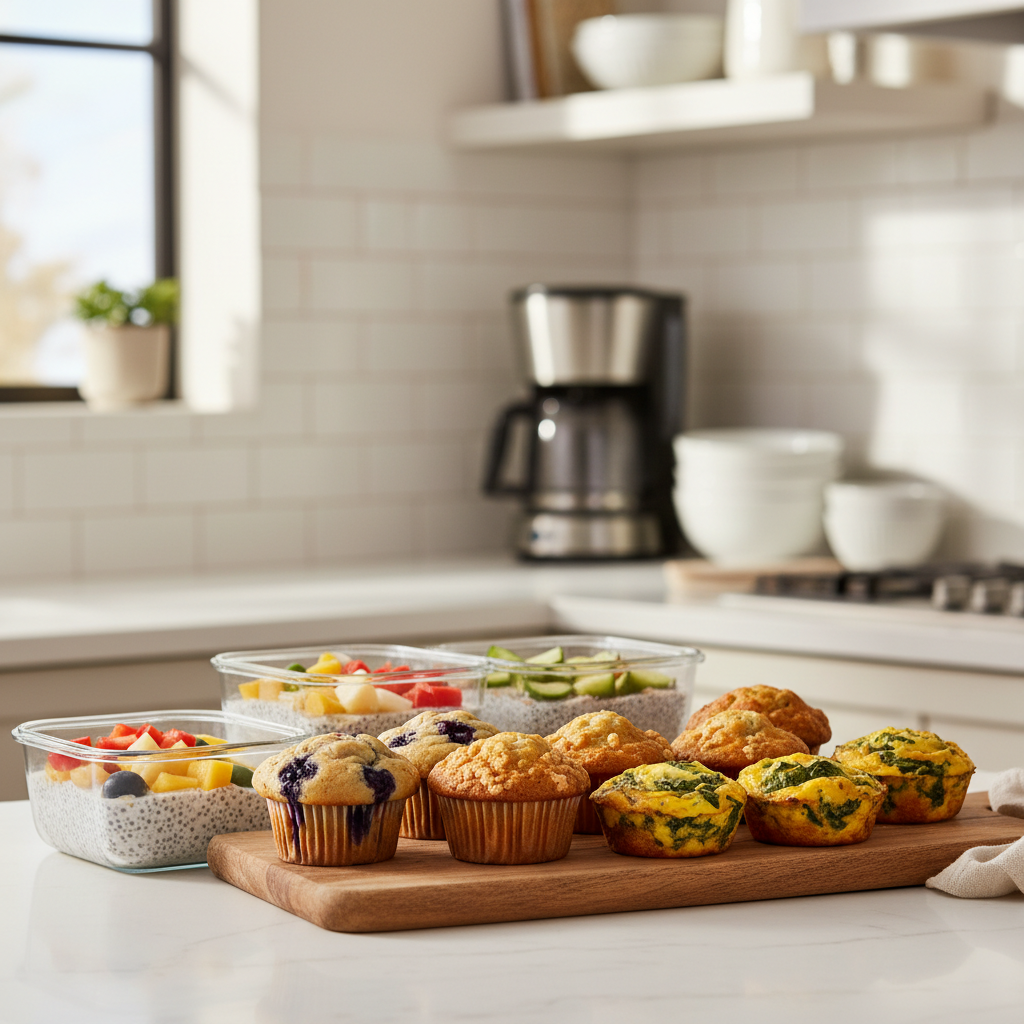
This guide keeps it practical: a reliable “master” formula, fast mix-ins, and a few breakfast-friendly variations (including higher-protein options). You’ll also get a storage table so you can bake once and coast for days.
What makes a breakfast muffin “easy” (and actually worth repeating)
“Easy” isn’t just fewer ingredients. In real kitchens, easy means the recipe tolerates distraction, still bakes evenly, and stores well. Here’s what usually matters most.
- One-bowl mixing: less cleanup, fewer chances to overmix.
- Flexible add-ins: you can use whatever fruit, nuts, or chocolate you already have.
- Predictable bake: muffins rise consistently without needing special techniques.
- Good on day 2: a breakfast muffin should still taste good after refrigeration or freezing.
According to USDA Food Safety and Inspection Service, perishable foods should not sit at room temperature for more than 2 hours (or 1 hour if the room is above 90°F), which is especially relevant for egg- or dairy-heavy savory muffins. When in doubt, cool quickly and refrigerate.
The master muffin formula (use this as your weekly base)
If you want muffin recipes that feel low-effort, build around a repeatable ratio. This master version uses pantry basics and gives you a tender crumb without being cake-like.
Master batter (makes 12 standard muffins)
- 2 cups all-purpose flour
- 3/4 cup sugar (reduce to 1/2 cup for less sweet muffins)
- 2 tsp baking powder
- 1/2 tsp salt
- 1 cup milk (dairy or unsweetened non-dairy)
- 2 large eggs
- 1/2 cup neutral oil or melted butter
- 1 tsp vanilla extract (optional but helpful)
Quick method
- Heat oven to 400°F. Line a muffin tin or grease well.
- Whisk dry ingredients in a large bowl.
- Whisk wet ingredients in a measuring jug, then pour into dry.
- Mix just until no dry flour shows; a few lumps are fine.
- Fold in your add-ins, scoop, and bake 16–20 minutes.
One note that saves batches: overmixing tends to create tough muffins because it develops gluten. Stir less than your instincts tell you.
Flavor ideas: 8 easy mix-ins that don’t require a separate recipe
Once you have a base, rotating flavors becomes the fun part. These work well with the master batter and keep your muffin recipes from feeling repetitive.
- Blueberry-lemon: 1 to 1 1/2 cups blueberries + 1 tbsp lemon zest
- Banana-walnut: replace 1/2 cup milk with 1/2 cup mashed banana, add chopped walnuts
- Apple-cinnamon: 1 cup diced apple + 1 to 2 tsp cinnamon
- Chocolate chip: 3/4 to 1 cup chocolate chips (mini chips distribute better)
- Carrot-oat: swap 1/2 cup flour for rolled oats + 3/4 cup grated carrot
- Peanut butter swirl: drop small spoonfuls of peanut butter on top, lightly swirl
- Berry yogurt: replace 1/3 cup milk with plain yogurt, add mixed berries
- Double vanilla: add extra vanilla + a pinch of nutmeg for a bakery vibe

If you want a stronger “bakery top,” sprinkle coarse sugar or a quick streusel on half the batch and compare. It’s a small detail, but people notice.
Breakfast-friendly variations (protein, savory, and lower-sugar)
Not every morning calls for sweet muffins. A few small swaps can move the same base toward “grab-and-go meal” territory. If you track macros or manage blood sugar, it may be worth checking with a registered dietitian for the best fit.
Higher-protein yogurt muffins (simple tweak)
- Replace 1/2 cup milk with 1/2 cup Greek yogurt.
- Add 2–3 tbsp hemp hearts or ground flax for extra staying power.
- Keep mix-ins lighter (berries, nuts) so texture stays tender.
Savory egg-and-cheese muffin cups (different style, same ease)
- Whisk 8–10 eggs with a splash of milk, salt, pepper.
- Stir in shredded cheese, chopped spinach, cooked turkey sausage, or bell pepper.
- Bake in a greased muffin tin at 350°F for about 18–22 minutes.
These aren’t classic muffin recipes, but they solve the same problem: breakfast you can eat with one hand.
Storage and make-ahead: how to keep muffins from going stale
Muffins dry out fast when air circulation is too high, but they also get gummy when sealed warm. Let them cool until just barely warm, then store.
Storage table
| Where | How to store | How long (typical) | Best for |
|---|---|---|---|
| Counter | Container with paper towel under and over muffins | 1–2 days | Classic sweet muffins |
| Fridge | Airtight container, cool completely first | 3–5 days | Savory, dairy-heavy muffins |
| Freezer | Wrap individually, then bag; label flavor/date | Up to ~3 months | Meal prep, big batches |
Reheat tip: microwave 15–25 seconds for one muffin, or warm in a toaster oven for better texture. Frozen muffins do best with a short thaw, then heat.
Troubleshooting: why muffins fail (and the fixes that work)
A lot of “bad muffin” issues come from two spots: mixing and oven behavior. Here are the patterns that show up most often.
- Dry, crumbly muffins: usually too much flour, overbaking, or too little fat. Spoon flour into the measuring cup (don’t pack), and pull muffins when a toothpick shows moist crumbs.
- Tough texture: batter mixed too aggressively. Stir until combined, then stop.
- Sunk centers: batter sat too long before baking, or oven ran cool. Bake soon after mixing; consider an oven thermometer.
- Stuck to liners: warm muffins + thin liners can cling. Let them cool more, or use better liners and a light spray.
- Uneven rise: old baking powder is common. If it’s been open a while, replace it.
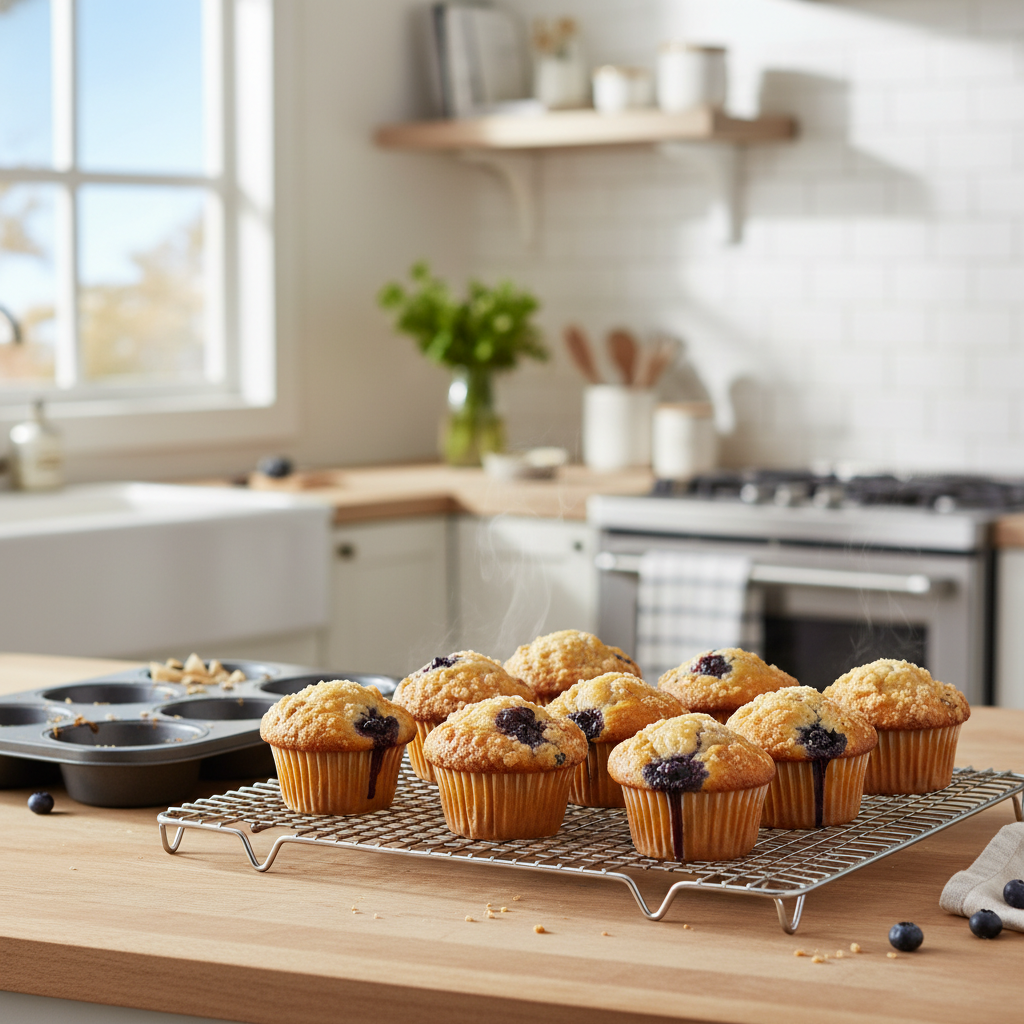
Once you get one reliable base, you can build a whole rotation of muffin recipes without starting from scratch each time.
Practical weekly plan: bake once, eat all week
If you want this to stick as a habit, keep the plan simple and predictable. Here’s a low-friction rhythm many households find realistic.
- Pick 2 flavors: one “safe” favorite, one seasonal or experimental.
- Make 12–18 muffins: keep 4–6 out, freeze the rest.
- Pair with protein: yogurt, string cheese, or a hard-boiled egg turns a muffin into a steadier breakfast.
- Keep a backup: frozen muffins cover mornings when everything goes sideways.
Key takeaways: master one base, mix gently, bake promptly, and store smart. That’s most of the battle.
Conclusion
Easy mornings usually come from one boring decision made ahead of time, and muffin recipes fit that job really well. Choose a dependable base, rotate a couple mix-ins, and freeze extras so breakfast stays automatic instead of aspirational.
If you want a next step, pick one flavor for this week and bake a single batch, then write down one adjustment you’d make next time. That small note is how your “house muffin” recipe shows up.
FAQ
What are the easiest muffin recipes for beginners?
Look for one-bowl batters with oil (more forgiving than butter) and simple mix-ins like blueberries or chocolate chips. The less you handle the batter, the more beginner-friendly it feels.
How do I keep muffins moist for breakfast meal prep?
Cool fully, store airtight with a paper towel to manage moisture, and freeze what you won’t eat in 48 hours. Reheating briefly also brings back a softer crumb.
Can I make muffin batter the night before?
Sometimes, but it can reduce rise because baking powder starts working once wet. If you need a shortcut, mix dry and wet separately, then combine quickly in the morning.
Why are my muffins flat even though I followed the recipe?
Old leavening or a cool oven is common. If your baking powder has been open for a long time, replace it, and consider checking oven temperature with a thermometer.
Are savory breakfast muffins safe to leave out?
Savory versions with eggs, cheese, or meat should typically be refrigerated after cooling. According to USDA Food Safety and Inspection Service, limit time at room temperature for perishable foods, and consult a food safety professional if you’re unsure.
How do I make muffins less sweet without ruining them?
Reduce sugar modestly (for many recipes, 1/2 cup works), and add flavor through spices, zest, or fruit. Cutting sugar too aggressively can change texture, so adjust in steps.
What’s the best way to reheat frozen muffins?
Microwave for a quick fix, but a toaster oven gives a better edge-and-top texture. If you have time, thaw for 15–20 minutes first, then warm.
If you’re building a breakfast routine and want muffin recipes that match your schedule, your pantry, and your “I can’t think yet” mornings, start with the master batter and lock in two reliable flavors. Once that feels easy, you can branch into savory or higher-protein variations without reinventing your whole plan.