
Italian pasta is one of those weeknight staples that can taste either surprisingly flat or deeply satisfying, and the difference usually comes down to a few small choices you make before the sauce even hits the pan.
If you want classic Italian flavors without turning dinner into a culinary project, focus on three things: the pasta shape, the sauce structure, and timing. Get those right, and even simple pantry ingredients start tasting intentional.
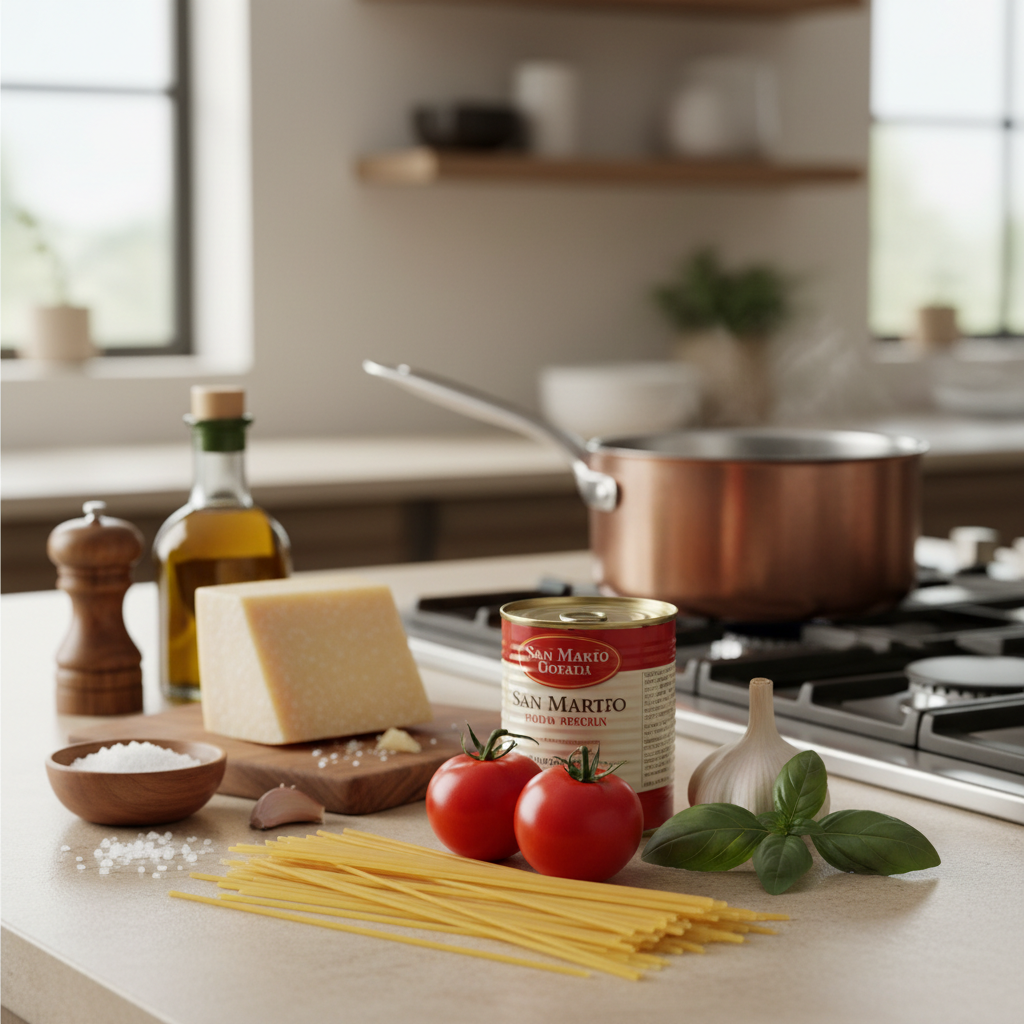
This guide walks through a few foundational recipes, a quick pairing table you can actually use, and a short checklist to troubleshoot common issues like watery sauce, bland flavor, or pasta that goes from “al dente” to mush in a blink.
What makes classic Italian pasta “work” (and why it sometimes doesn’t)
Most pasta disappointments aren’t about talent, they’re about physics and timing. Sauce clings when the surface starch and fat balance correctly, and flavor pops when you build it in layers rather than dumping everything in at the end.
- Undersalted water: Pasta water should taste pleasantly salty. It’s your first seasoning step, not an afterthought.
- Wrong pairing: Delicate sauces get lost on ridged shapes, and thick ragù can overwhelm thin noodles.
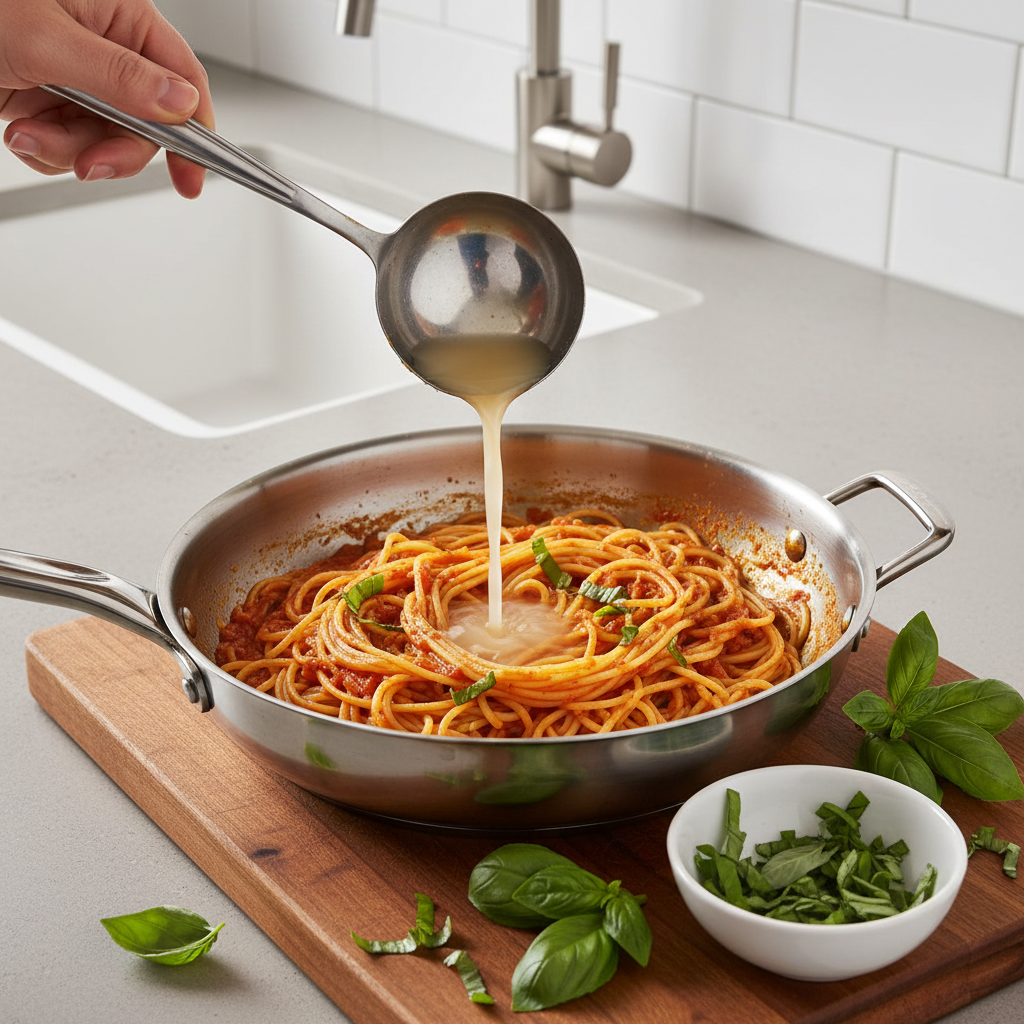
- No emulsification: That glossy, cohesive sauce often comes from tossing pasta with sauce plus a little starchy water to bind oil and water.
- Overcooking: Pasta continues cooking after draining, especially if it sits while you “finish the sauce.”
According to the Academia Barilla, classic Italian technique relies heavily on finishing pasta in the sauce for better cohesion and flavor integration, rather than simply ladling sauce over plain noodles.
Pasta shapes and sauce pairings (quick table you can bookmark)
If you only change one habit, change this: match shape to sauce thickness. It makes a bigger difference than buying a fancier jar or adding more cheese.
| Pasta shape | Best with | Why it fits |
|---|---|---|
| Spaghetti | Tomato sauce, aglio e olio, carbonara-style | Long strands coat evenly with silky sauces |
| Bucatini | Amatriciana, richer tomato sauces | Hollow center holds sauce, stays toothsome |
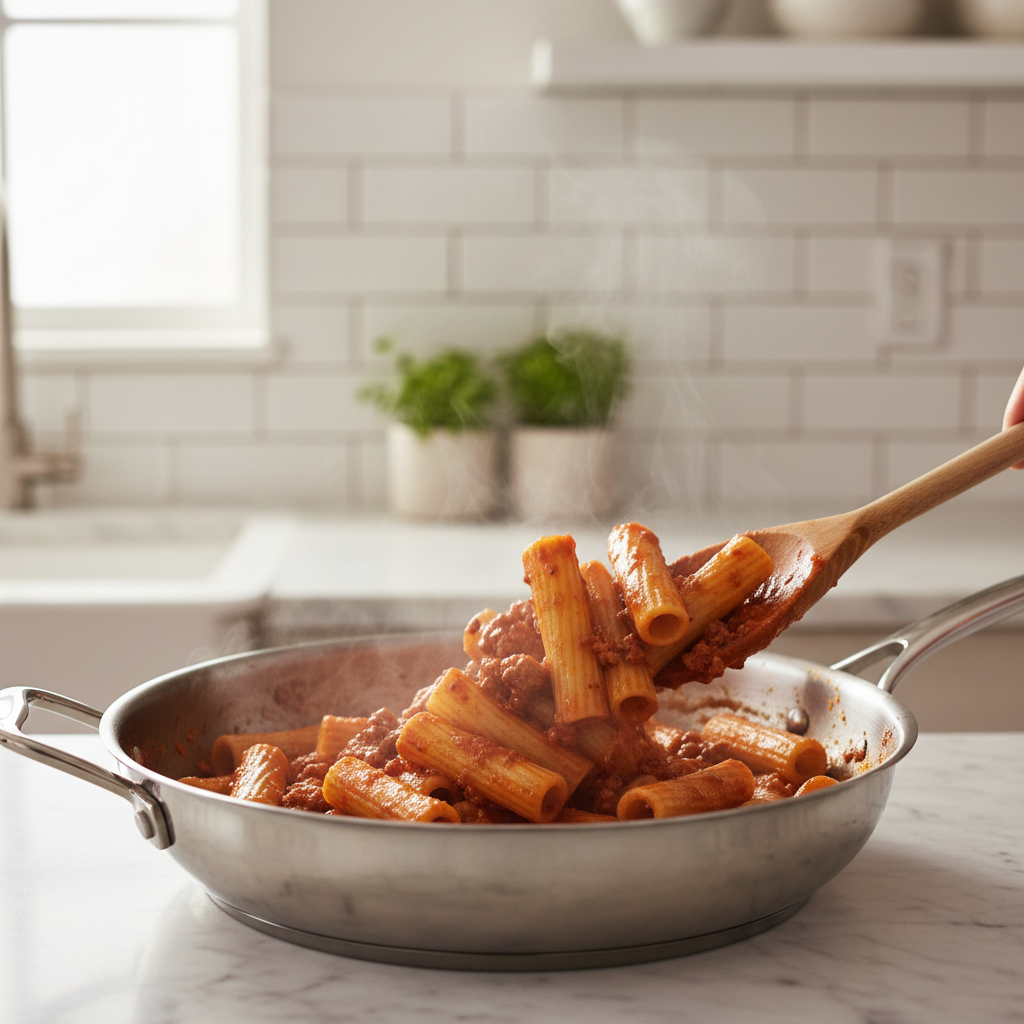
| Rigatoni | Ragù, vodka sauce, baked pasta | Ridges and tubes trap chunky sauce |
| Penne | Arrabbiata, pesto (thinned), cream-tomato | Angled cuts grab sauce, easy weeknight pick |
| Fettuccine | Butter-Parmesan, cream-based sauces | Wide ribbons carry richer emulsions |
| Orecchiette | Broccoli rabe, sausage, garlicky greens | “Little ears” catch small bits and oil |
5 classic Italian pasta recipes (with the real “why” behind each)
These aren’t meant to be precious. They’re the sort of core formulas you can repeat, then adjust based on what’s in your fridge.
1) Spaghetti Aglio e Olio
What it is: Garlic, olive oil, chili flakes, parsley, sometimes a little lemon.
- Slice garlic thin, warm it gently in olive oil until pale gold, not brown.
- Add chili flakes, then toss in pasta plus a splash of starchy water.
- Keep tossing until it looks lightly creamy and clings to strands.
Where people mess up: Garlic turns bitter fast. Use medium-low heat and pull the pan off the burner if it starts racing.
2) Classic Marinara (quick tomato sauce)
What it is: Tomatoes, garlic or onion, olive oil, basil, salt.
- Crush canned whole tomatoes by hand for a more rustic texture.
- Simmer just long enough to lose raw tomato edge, then season.
- Finish with basil at the end so it tastes fresh, not stewed.
If your sauce tastes sharp, a longer simmer often helps more than adding sugar. Not always, but often.
3) Pasta alla Vodka (tomato-cream)
What it is: Tomato paste, a splash of vodka, cream, chili, Parmesan.
- Cook tomato paste in oil until it darkens slightly, that’s flavor.
- Deglaze with vodka and let it reduce before adding cream.
- Toss with penne or rigatoni, loosen with pasta water as needed.
Key point: This sauce lives or dies on reduction; watery vodka sauce almost always means you rushed the middle step.
4) Carbonara (the creamy one with no cream)
What it is: Eggs, Pecorino Romano (or Parmesan), black pepper, guanciale or pancetta.
- Whisk eggs and cheese in a bowl, add lots of black pepper.
- Crisp guanciale or pancetta, keep rendered fat in the pan.
- Off heat, toss hot pasta with the fat, then quickly stir in egg mixture.
- Add small amounts of pasta water to create a glossy sauce.
Safety note: Eggs in carbonara are gently heated by residual heat; if you’re pregnant, immunocompromised, or unsure about food safety, consider consulting a professional or using pasteurized eggs.
5) Ragù-style meat sauce (weekend batch)
What it is: Slow-cooked meat sauce, often with aromatics and tomato, sometimes a little dairy.
- Brown meat thoroughly, then cook aromatics in the same pot.
- Simmer low and slow until it turns cohesive, not soupy.
- Pair with rigatoni or tagliatelle-style noodles for best cling.
A quick self-check: why your pasta doesn’t taste like a trattoria
Before you switch brands or blame your stove, run this short checklist. It catches the common stuff.
- Did you salt the water enough? If not, you’re trying to season from the outside later, which rarely lands the same.
- Did you reserve pasta water? If you drained everything, you removed your best emulsifier.
- Did you finish pasta in the sauce? Even 60–90 seconds matters for texture and cohesion.
- Did you grate cheese finely? Big shreds melt unevenly and can clump.
- Did you taste for salt at the end? Cheese adds salt, but not always enough, especially with tomato.
Key takeaway: In many italian pasta dishes, the “secret ingredient” is technique: tossing, reducing, and adjusting with starchy water.
Practical steps: a repeatable method for better italian pasta
You can use this workflow for almost any sauce, from marinara to pesto to vodka.
- Start the sauce first so it’s ready when pasta hits al dente.
- Cook pasta 1–2 minutes shy of the box time, then move it directly into the sauce.
- Add pasta water gradually and toss until the sauce turns glossy and coats evenly.
- Finish with fat and aroma like olive oil, butter, basil, or pepper right before serving.
According to the U.S. Department of Agriculture (USDA), safe food handling includes keeping hot foods hot and avoiding leaving cooked dishes at room temperature for extended periods; if you’re serving later, hold sauce safely warm and cook pasta closer to eating time.
Common mistakes (and what to do instead)
These are the issues that show up in real kitchens, especially when you’re cooking fast.
- Sauce looks oily: Toss longer with a splash of pasta water to help emulsify, don’t just add more oil.
- Sauce feels watery: Reduce it uncovered, then add pasta; avoid overloading with extra liquid early.
- Cheese clumps: Take the pan off heat, add cheese slowly, and keep stirring; use finely grated cheese.
- Pasta sticks together: Stir in the first minute and cook in enough water; oil in the pot rarely fixes sticking.
- Garlic tastes harsh: Cook it gentler, or add part of it later so it perfumes without burning.
Conclusion: keep it classic, but cook it on purpose
Classic Italian pasta recipes stay popular because they’re forgiving, not because they’re complicated. When you salt well, pair shapes intelligently, and finish pasta in the sauce with a bit of reserved water, the whole meal starts tasting more “complete” without adding extra ingredients.
If you want an easy next step, pick one recipe above and cook it twice in the same month, the second round is where you notice timing, texture, and seasoning clicks into place.
FAQ
What is the best pasta shape for marinara sauce?
Spaghetti works well, but if you want more sauce per bite, try penne or rigatoni. In many kitchens, ridges and tubes make simple tomato sauce feel richer because more of it clings.
How salty should pasta water be for italian pasta?
It should taste noticeably salty, like a pleasant broth. You don’t need to chase a precise number, but if it tastes bland, the pasta itself will taste bland too.
Why do Italian recipes tell you to save pasta water?
That cloudy water carries starch, which helps sauce cling and turn glossy when you toss it together. It’s less about “thinning” and more about binding oil and water into a smooth coating.
Can I make carbonara without guanciale?
Yes. Pancetta is a common substitute in the U.S., and even bacon can work in a pinch, though it changes the flavor. What matters most is rendered fat plus pepper plus the egg-cheese emulsion.
How do I stop garlic from burning in aglio e olio?
Use lower heat than you think, and slice garlic evenly. If it starts browning fast, pull the pan off the burner for a moment; carryover heat can keep cooking it.
Is it okay to rinse pasta after boiling?
Usually no for hot dishes, because rinsing removes surface starch that helps sauce stick. Rinsing makes more sense for cold pasta salads or when you need to stop cooking immediately.
How long should I simmer a ragù-style sauce?
It varies by pot size and how much liquid you start with, but you’re looking for a cohesive, spoon-coating texture rather than a soupy one. Low simmer and occasional stirring tend to beat high heat.
Key takeaways you can use tonight
- Salt the water confidently, it seasons the pasta from within.
- Finish pasta in the sauce for 60–90 seconds, then adjust with starchy water.
- Match sauce thickness to shape, ridges and tubes love chunky sauces.
- Grate cheese finely and add off heat for smoother melting.
If you’re building a weekly rotation and want a more “no-thinking” approach, you can start by choosing two shapes you like, then keep a tomato sauce and a pantry oil-garlic sauce in your back pocket, that combo covers a lot of cravings without turning cooking into homework.