
Hot pot recipes are one of the easiest ways to feed a group without turning the host into a short-order cook. You set up a simmering pot, lay out options, and everyone builds their own perfect bowl.
That said, “easy” hot pot can still go sideways: bland broth, ingredients that overcook fast, or a table setup that feels chaotic. The good news is most of those problems come down to planning the menu like a buffet, not like a single dish.
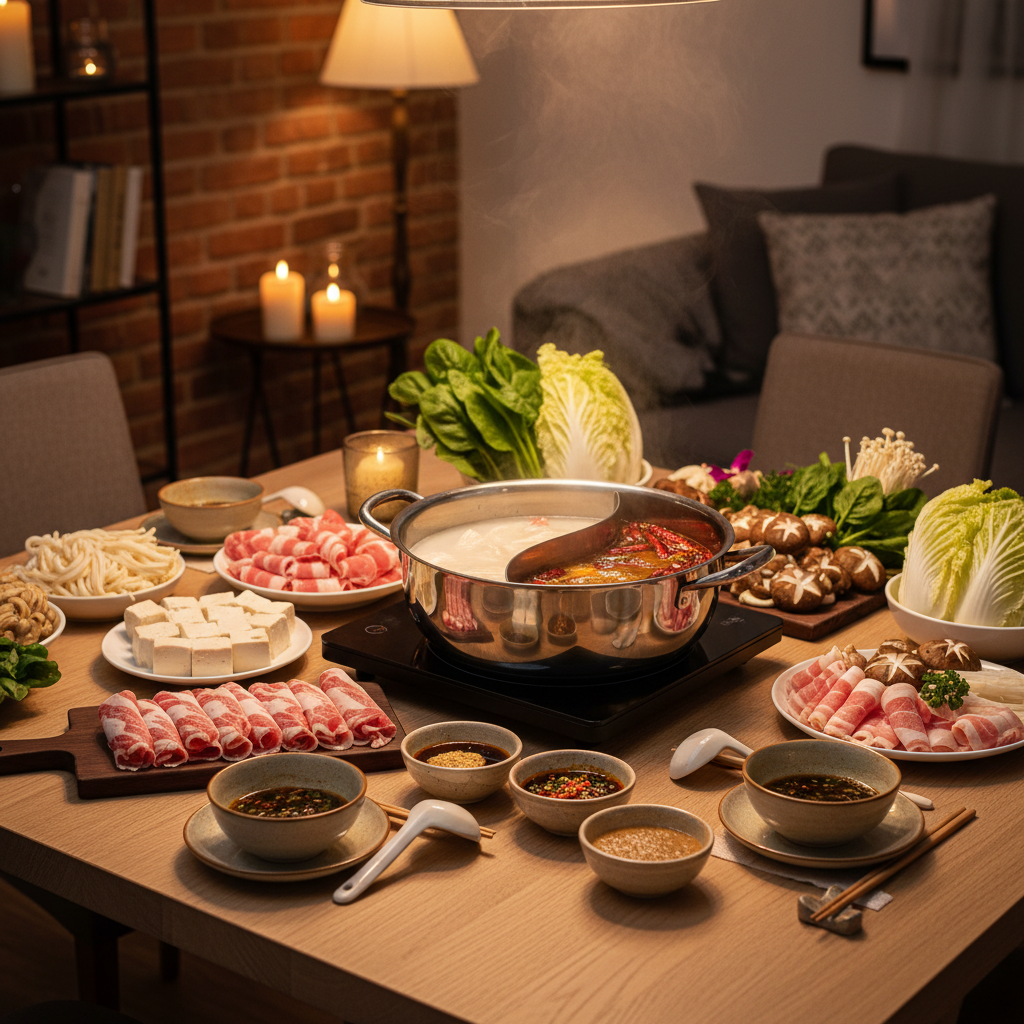
Below you’ll get a practical hosting blueprint, three crowd-pleasing broth “recipes,” a build-your-own ingredients list, and the little safety and timing details that make the night feel effortless.
What makes hot pot ideal for gatherings (and where hosts get stuck)
Hot pot works because it’s interactive, flexible for picky eaters, and forgiving on timing. People arrive at different times, the pot keeps going, and the meal stays warm.
Where many gatherings get stuck is one of these:
- Broth lacks flavor: water plus a random sauce rarely tastes like “restaurant hot pot.”
- Ingredient overload: too many choices creates clutter and wasted food.
- No system at the table: guests don’t know what cooks fast, what needs longer, or where the sauces go.
- Food-safety uncertainty: shared cooking raises questions about raw meat handling and safe temps.
Once you solve those four, most hot pot recipes become “easy” by default.
Quick self-check: choose your hot pot style in 2 minutes
Before you shop, decide what kind of gathering you’re hosting. This avoids the classic mistake of buying everything at the Asian market “just in case.”
- Weeknight casual (4–6 people): one pot, one broth, mostly quick-cooking items, fewer platters.
- Weekend hang (6–10 people): two broths if possible, a sauce bar, a mix of proteins and veggies.
- Diet-friendly crowd: one lighter broth, lots of mushrooms/tofu/greens, keep spicy add-ons separate.
- Kids at the table: mild broth, familiar noodles, less “fishy” seafood, clear labeling for spicy.
If you’re unsure, default to one mild base broth and offer spice as a custom add-in. People feel taken care of without you guessing everyone’s tolerance.
Three easy broth bases (mix-and-match hot pot recipes)
Think of broth as the “background music.” It should taste good on its own, then get better as ingredients cook. These are designed for U.S. grocery access, with optional upgrades if you have an Asian supermarket.
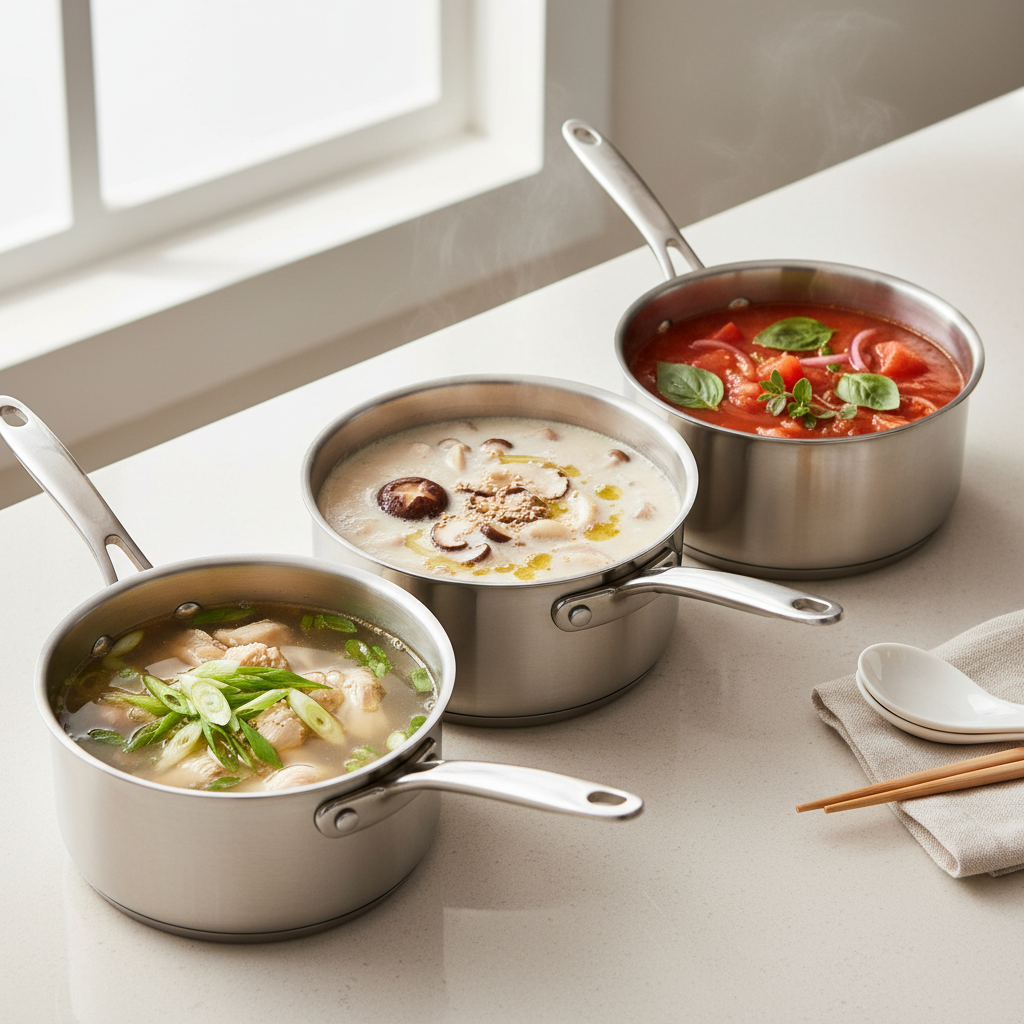
1) Garlic-Ginger Chicken Broth (mild, crowd-friendly)
- Base: 8 cups low-sodium chicken broth
- Aromatics: 6–8 slices ginger, 4–6 smashed garlic cloves, 2 scallions
- Seasoning: 2–3 tbsp soy sauce, 1 tbsp rice vinegar or lemon juice, salt to taste
- Optional: dried shiitake, a small piece of kombu (remove before boiling)
Simmer 15–20 minutes, then keep at a gentle bubble. This broth plays nicely with veggies, tofu, shrimp, and chicken.
2) Miso Sesame Broth (cozy, slightly creamy)
- Base: 8 cups dashi or vegetable broth (boxed veggie broth works)
- Flavor: 3–4 tbsp white miso, 1 tbsp toasted sesame oil
- Boosters: 1–2 tbsp soy sauce, 1 tbsp mirin or a pinch of sugar
- Optional: tahini (1–2 tbsp) for a richer mouthfeel
Keep miso at a simmer, not a hard boil, so it stays mellow. This one shines with mushrooms, napa cabbage, udon, and thin-sliced beef.
3) Tomato “Spicy If You Want” Broth (bright, customizable)
- Base: 6 cups chicken or veg broth + 1 can crushed tomatoes
- Aromatics: sliced onion, garlic
- Seasoning: soy sauce or salt, black pepper
- Heat options: chili crisp on the side, or a small amount of dried chili in the pot
This is the easiest way to satisfy both spicy and non-spicy guests: keep the pot mild, let people add heat to their bowls or dipping sauce.
Ingredient roadmap: what to buy (without overdoing it)
Most people remember the meat and forget the “balance.” A great hot pot spread usually has: quick proteins, sturdy vegetables, one or two starches, and at least one tofu or dumpling-style item.
Shopping list by category
- Proteins: thin-sliced beef (ribeye/brisket), thin-sliced pork, shrimp, fish balls, chicken thighs sliced thin
- Vegetables: napa cabbage, bok choy, spinach, enoki or cremini mushrooms, corn, sliced zucchini
- Tofu & extras: firm tofu, fried tofu puffs, fish tofu, crab sticks (optional)
- Starches: udon, ramen, rice noodles, glass noodles, or steamed rice
- Finishers: eggs (for egg drop), extra greens, scallions, cilantro
Portion guideline: for a mixed crowd, many hosts find ~6–8 oz total protein per person and a generous amount of vegetables works well, but appetite varies a lot with sides and drinks, so adjust for your group.
A simple planning table (scale up fast)
| Guest count | Proteins (total) | Veggies & mushrooms | Noodles/starch |
|---|---|---|---|
| 4 | 1.5–2 lb | 3–4 lb | 1–2 packs |
| 6 | 2.5–3 lb | 5–6 lb | 2–3 packs |
| 8 | 3.5–4 lb | 7–8 lb | 3–4 packs |
If you’re doing multiple broths, you don’t need double the ingredients, you just need better variety. Split proteins and veggies across platters rather than buying two of everything.
Set up a “no-stress” hot pot station
The table setup matters as much as the hot pot recipes. A smooth flow keeps people from hovering over the pot and asking you what to do next.
- Heat source: electric hot pot or portable induction burner, stable and centered
- Raw vs cooked zones: keep raw proteins on one side, cooked-ready items on the other
- Tools: separate chopsticks/tongs for raw items, ladle for broth, small strainer if you have one
- Labels: a quick note for “spicy,” “contains shellfish,” or “contains gluten” helps more than you’d think
One small move that feels “extra” but saves the night: pre-portion noodles into bundles, and pre-wash/trim greens so guests don’t end up wrestling with a whole head of cabbage.
Dipping sauces guests can mix themselves
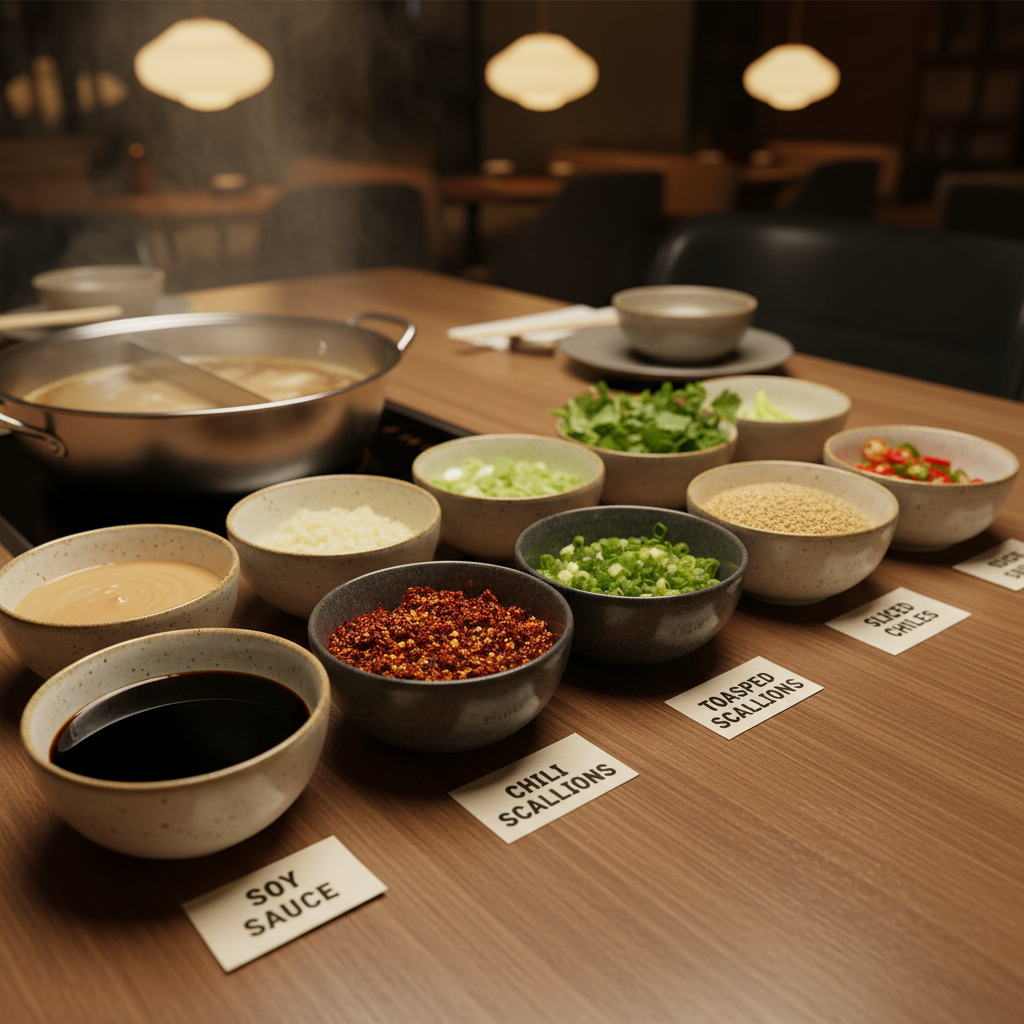
Sauce is where everyone personalizes flavor fast, especially if you keep the broth mild. Put out a few “building blocks” and let people create their own combo.
Core sauce bar items
- Soy sauce
- Chili crisp or chili oil
- Toasted sesame oil
- Rice vinegar
- Minced garlic
- Chopped scallions
- Sesame paste or tahini
- Peanut butter (surprisingly useful in a pinch)
Two easy sauce combos (no measuring stress)
- Sesame-garlic: tahini + soy sauce + a little vinegar + garlic + scallions
- Bright & spicy: soy sauce + vinegar + chili crisp + scallions
If someone wants “restaurant-style,” point them to sesame base plus garlic plus a tiny spoon of chili crisp. That usually gets the nod.
Cooking timeline: how to keep the pot moving
Part of the fun is cooking together, but you can quietly guide the table with a simple order. If you don’t, the first thing someone drops in will be delicate spinach, and it turns to threads.
- Start with: mushrooms, napa cabbage, tofu puffs, corn
- Then: dumplings/fish balls (they need a bit more time)
- Next: thin-sliced beef/pork, shrimp, fish (quick cooks)
- Finish with: noodles, then crack in an egg or add greens to use the last broth
Key takeaway: treat the pot like a shared resource. Cook in small batches so the broth stays hot and people don’t wait too long for their turn.
Safety and common mistakes (worth getting right)
With shared cooking, it’s smart to be a little more careful than usual. According to USDA Food Safety and Inspection Service, raw meats should be kept separate from ready-to-eat foods to reduce cross-contamination risk.
- Use separate utensils: one set for raw proteins, one set for cooked food
- Keep proteins cold: rotate smaller plates from the fridge instead of leaving everything out
- Maintain a simmer: a gentle boil helps cook quickly and evenly
- Watch quick-cook items: leafy greens and thin fish overcook in seconds
- Don’t oversalt early: broth concentrates as it cooks, season gradually
If anyone at the table is pregnant, immunocompromised, or has specific dietary medical needs, it may be worth suggesting they consult a clinician for personalized guidance, especially around seafood and food safety.
Practical hosting plan: prep checklist for the day of
This is the “do less, look like you did more” section. Most hot pot recipes feel easy when the prep is front-loaded.
- 2–4 hours before: slice veggies, portion noodles, mix one or two sauces
- 1 hour before: set the table, lay out bowls, label spicy/allergen items
- 30 minutes before: start broth, keep it warm at a low simmer
- During: restock from the fridge in small rounds, skim foam if needed
If you want a “closing moment,” plan a final noodle round or a simple rice-and-broth finish, it makes the meal feel complete without adding extra dishes.
Conclusion: keep it simple, keep it interactive
The best hot pot recipes for gatherings aren’t complicated, they’re organized: a broth that tastes good, a manageable ingredient mix, and a table setup that prevents confusion. Pick one broth base, add a sauce bar, and buy ingredients that cook fast and satisfy different preferences.
If you’re hosting soon, choose your broth tonight, write a short shopping list by category, and prep sauces early. The rest is just keeping the pot bubbling and letting your guests do the fun part.
FAQ
What are the easiest hot pot recipes for beginners?
Mild broths like garlic-ginger chicken or a simple miso broth tend to be the most forgiving. They taste good quickly, don’t require specialty spices, and pair with almost any ingredient you can find at a U.S. grocery store.
How do I keep hot pot from tasting bland?
Use a flavorful base broth (not plain water), simmer aromatics for at least 15 minutes, and rely on sauces for personalization. Many people also underestimate how much mushrooms and cabbage contribute once they cook in the pot.
How much food should I buy for a hot pot party?
It depends on sides and how long you expect people to graze, but a practical approach is to buy a moderate amount of protein and go heavier on vegetables and tofu. If you’re worried, add one extra noodle option since it’s inexpensive and filling.
Can I do hot pot without an electric hot pot?
Yes, many hosts use a portable induction burner or a butane camp stove with a stable pot. If you go that route, prioritize stability and ventilation, and follow the manufacturer’s safety instructions for the heat source.
What ingredients cook the fastest in hot pot?
Thin-sliced beef, shrimp, leafy greens, and enoki mushrooms cook very quickly. Put them in small batches, and pull them out as soon as they change color or wilt to avoid a mushy texture.
What’s a good hot pot menu for a mixed dietary group?
Start with a mild broth, then offer spice on the side. Provide plenty of mushrooms, tofu, and greens, and keep one platter of seafood or meat separate so guests can choose what fits their diet.
How do I handle food safety with raw meat at the table?
Use separate utensils for raw items, keep proteins cold until needed, and maintain a steady simmer so items cook promptly. If you’re hosting someone with higher risk factors, consider pre-cooking certain proteins in the kitchen to reduce uncertainty.
If you’re planning a gathering and want a more “plug-and-play” setup, it can help to draft your menu as a simple template: one broth, three proteins, five vegetables, two starches, and a sauce bar, then reuse that format every time with seasonal swaps.